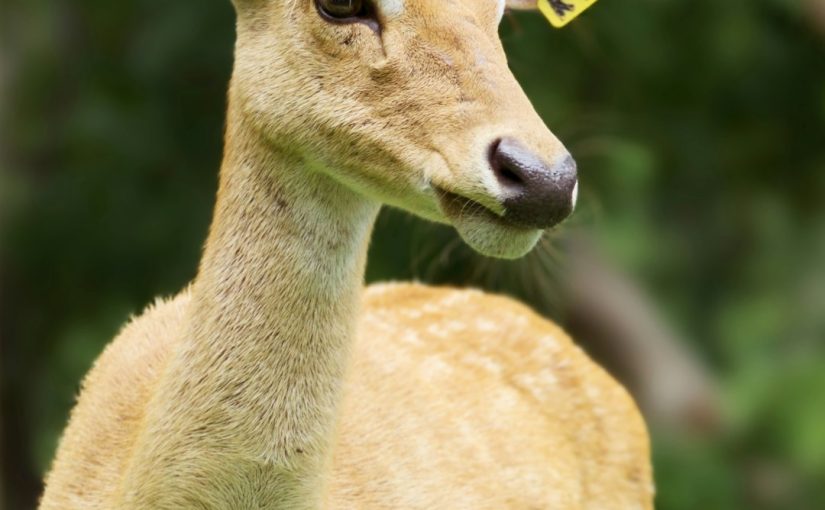
Deer are fascinating creatures, exquisitely adapted to their environments, yet their foraging habits often lead to surprising observations. One such behavior that frequently piques the curiosity of landowners and nature enthusiasts alike is their penchant for consuming tree bark. Far from being a random act of destruction, this dietary choice is rooted deeply in the survival instincts and nutritional needs of white-tailed deer, mule deer, and other cervids. Understanding what kind of tree bark deer eat, and more importantly, why they eat it, provides crucial insights into deer ecology, forest health, and effective wildlife management strategies. This article will delve into the specific types of bark deer prefer, the seasonal and nutritional drivers behind this behavior, and the implications for both deer populations and the woody plants they browse.
Why deer eat bark: a matter of survival
The act of deer stripping bark from trees might seem counterintuitive at first glance, but it is a critical survival strategy, particularly during periods when other food sources are scarce. Deer are ruminants, requiring a diet rich in roughage and nutrients to maintain their health. The inner bark, or phloem, and the cambium layer beneath it, are surprisingly nutritious. These layers contain starches, sugars, and essential minerals that can be vital for deer, especially during the lean months of winter. As deciduous trees drop their leaves and herbaceous plants wither, the bark of woody plants becomes a readily available, albeit less palatable, food source.
Beyond seasonal scarcity, other factors can drive deer to consume bark. High deer population densities can lead to overbrowsing of preferred forage, forcing deer to diversify their diet to include less desirable options like bark. Additionally, periods of drought or severe weather can reduce the availability of fresh greens, making bark a fallback food. While bark is not a primary food source for deer in ideal conditions, its consumption underscores the adaptability of these animals in the face of environmental challenges, highlighting their constant quest for sustenance to meet their metabolic demands.
Preferred bark species: a deer’s menu
While deer may eat bark from a wide variety of trees when desperate, they do exhibit preferences. Generally, they favor trees with smoother, thinner bark, as it is easier to strip and access the nutritious inner layers. Young trees and saplings are particularly vulnerable due to their tender bark and accessible height. The palatability and nutritional content of the inner bark also play a significant role in their selection. Some tree species contain more digestible carbohydrates or essential minerals that deer seek out.
Deciduous trees are often preferred over conifers, although certain conifers can be targeted. Fruit trees, such as apple and cherry, are highly attractive due to their sweet sap and tender bark. Maples, aspens, oaks, and sumacs are also frequently browsed. Understanding these preferences is vital for landowners looking to protect specific trees or manage deer impacts on their property. The table below outlines some common tree species and their relative appeal to deer.
| Tree species | Deer preference | Notes |
|---|---|---|
| Apple (Malus domestica) | High | Sweet bark, often targeted in orchards. |
| Sugar Maple (Acer saccharum) | High | Nutrient-rich inner bark, common winter food. |
| Aspen (Populus tremuloides) | High | Smooth bark, widely available in some regions. |
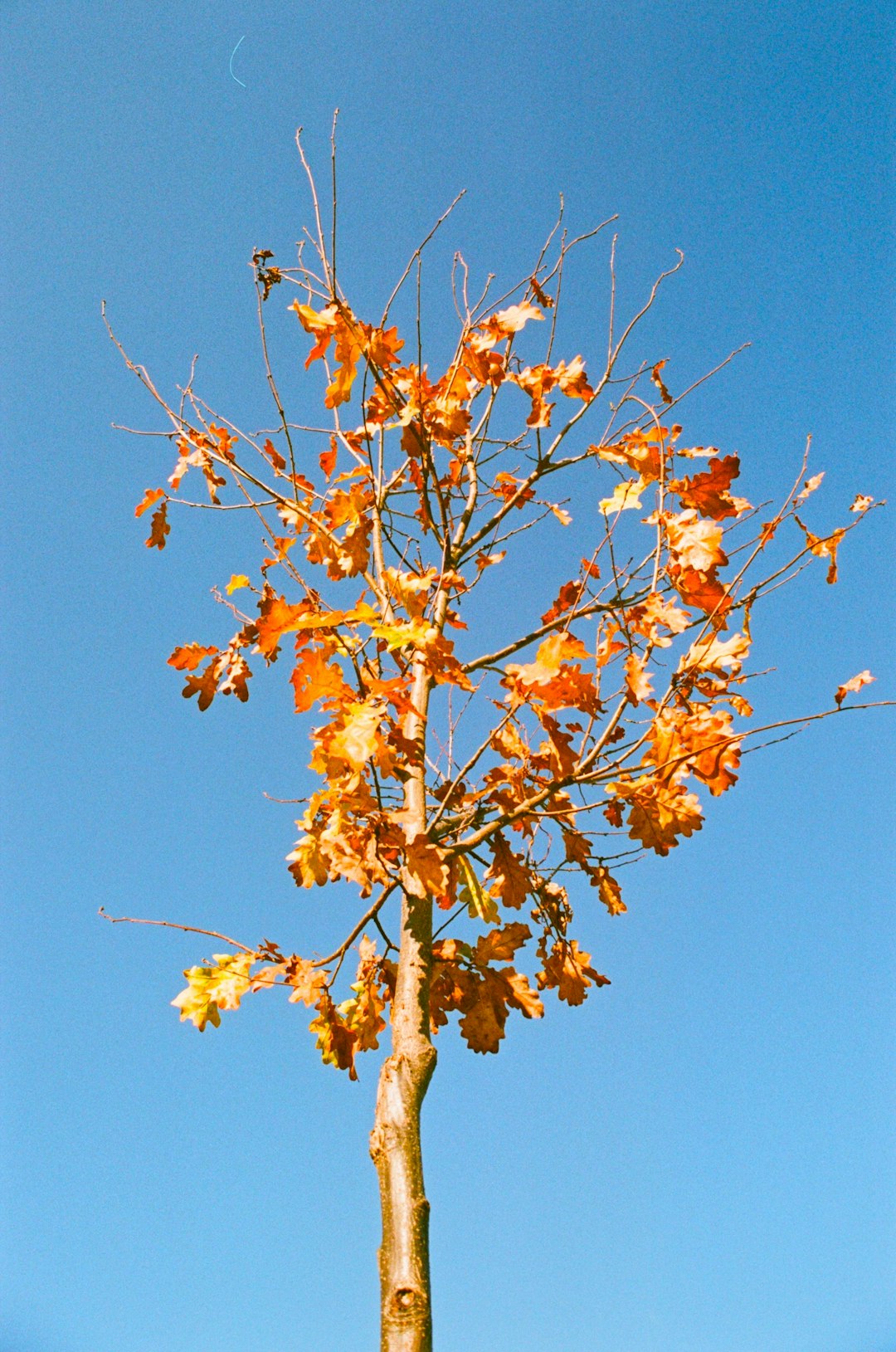
| Red Oak (Quercus rubra) | Medium to High | Eaten, especially younger trees or during scarcity. |
| Sumac (Rhus spp.) | Medium | Often browsed when other foods are limited. |
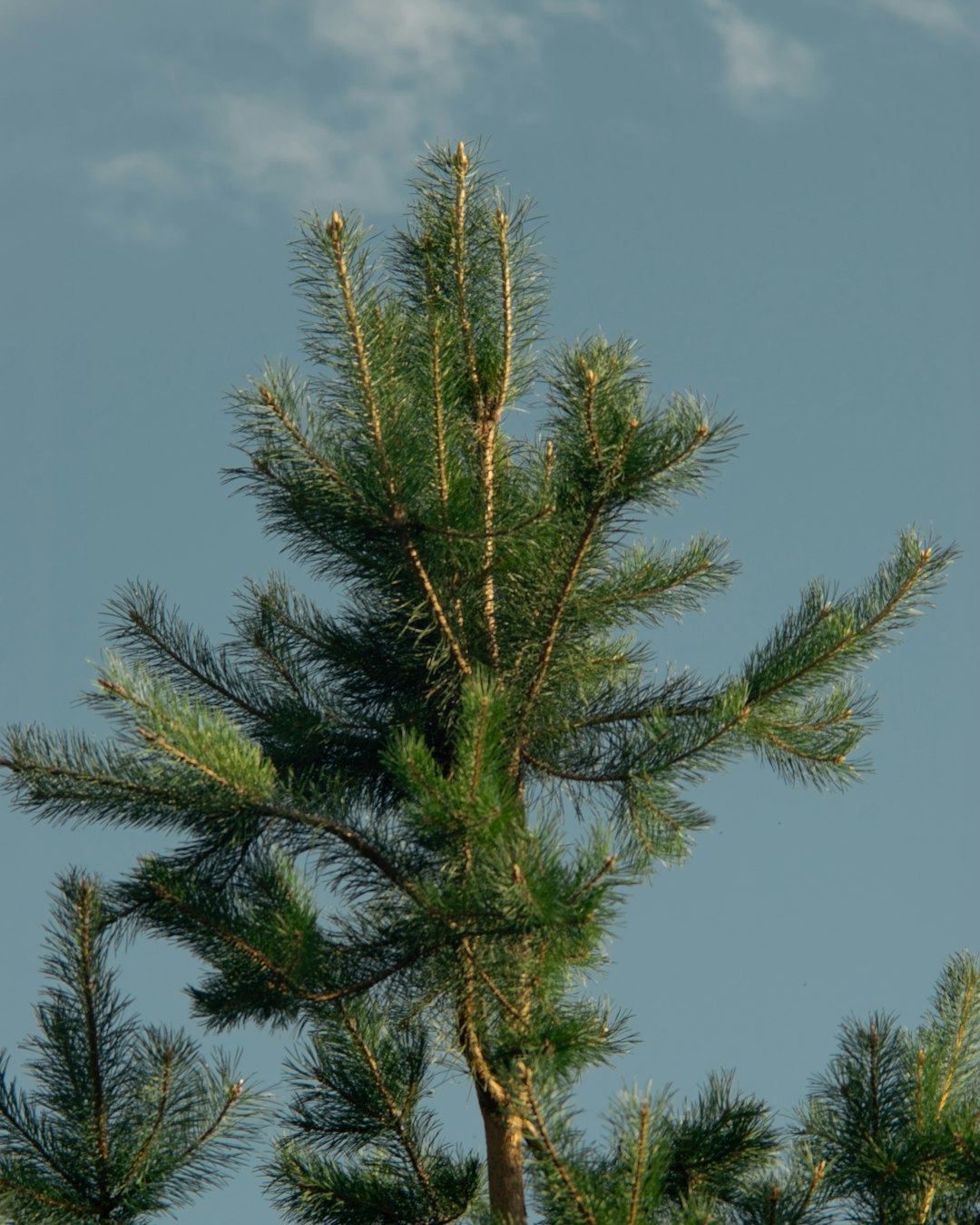
| White Pine (Pinus strobus) | Medium to Low | Can be eaten, especially by desperate deer in winter. |
| Spruce (Picea spp.) | Low | Usually only browsed during extreme food scarcity. |
The impact of bark browsing: what it means for trees and ecosystems
While bark consumption is a natural behavior for deer, its impact on individual trees and the broader ecosystem can be significant. The most severe form of damage is girdling, where deer strip bark completely around the circumference of a tree. This severs the phloem and cambium layers, which are responsible for transporting sugars from the leaves to the roots and for secondary growth. A girdled tree will inevitably die, as its roots are starved of essential nutrients.
Even partial bark stripping can weaken trees, creating open wounds that serve as entry points for diseases, fungi, and insect pests. This can lead to stunted growth, decay, and ultimately, premature death. On a larger scale, extensive bark browsing can alter forest composition by selectively eliminating preferred species, giving a competitive advantage to less palatable trees. This can reduce biodiversity and impact forest regeneration, leading to a less resilient ecosystem. Identifying the signs of bark damage – tooth marks, scraped bark, and discarded bark strips – is crucial for assessing deer impact and implementing management strategies.
Mitigation and management: protecting your trees
Managing deer bark browsing requires a multifaceted approach that balances wildlife needs with the protection of valuable trees and forest health. For individual trees or small orchards, physical barriers are often the most effective solution. Tree shelters or wraps made of plastic or wire mesh can be placed around the trunk, preventing deer from reaching the bark. Fencing, whether electric or woven wire, can protect larger areas, though it must be tall enough to deter deer from jumping over. Repellents, which work by taste or smell, can offer temporary protection but often require frequent reapplication and their effectiveness can vary.
Longer-term strategies involve habitat management and population control. Providing alternative food sources, such as planting deer-resistant forage or creating food plots, can divert deer pressure from desired trees. Managing deer populations through regulated hunting can help keep numbers in balance with the carrying capacity of the land, reducing overall browsing pressure. Monitoring deer activity and tree health regularly allows for timely intervention and adaptation of management techniques, fostering a healthier coexistence between deer and their arboreal environment.
Understanding why deer eat tree bark, and identifying the specific types they prefer, offers a vital lens into the complex dynamics of wildlife and their environment. This behavior, primarily driven by nutritional needs and seasonal scarcity, highlights the remarkable adaptability of deer but also underscores their potential impact on forest health. From girdling valuable saplings to altering forest composition, the consequences of bark browsing are significant for individual trees and entire ecosystems. Effective management involves a thoughtful combination of protective measures, such as tree wraps and fencing, and broader strategies like habitat improvement and population control. Ultimately, fostering a balanced ecosystem requires continuous observation, adaptive strategies, and a deep appreciation for the intricate relationship between deer and the trees that sustain them, ensuring both thrive in harmony.
Image by: Kreingkrai Luangchaipreeda