Gardenias are renowned for their glossy green foliage and intoxicatingly fragrant white blossoms, making them a cherished addition to many gardens. However, these beautiful shrubs are also notoriously sensitive to cold temperatures. For gardeners in zones prone to unexpected dips below freezing, the sight of a frost-nipped gardenia can be disheartening, often leaving one wondering if their beloved plant can recover. The good news is that while frost damage can be severe, it’s not always a death sentence. Understanding how to properly assess the damage, provide the right care for recovery, and implement preventative measures can significantly improve your gardenia’s chances of bouncing back and thriving again. This article will guide you through the essential steps to revive a frozen gardenia bush.
Assessing the damage and initial steps
When a gardenia bush succumbs to freezing temperatures, the initial reaction might be panic, but patience is key. The first crucial step is to avoid immediate action, particularly pruning. While leaves might turn brown, wilt, or even appear completely dead, the true extent of the damage isn’t immediately clear. The cold might have primarily affected the foliage and outer branches, leaving the plant’s core and root system intact. Premature pruning can remove potentially viable tissue and stress the plant further.
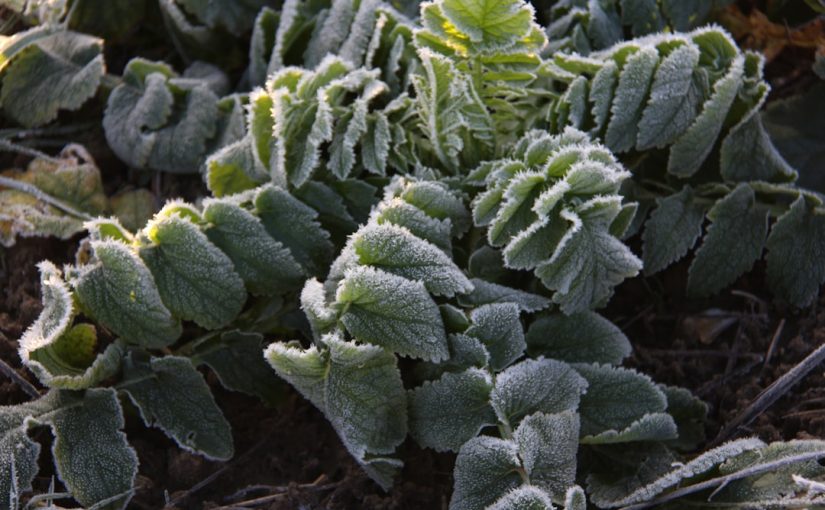
Instead, wait for consistent warmer weather to settle in. This allows the plant to naturally delineate between truly dead tissue and areas that are merely dormant or temporarily damaged. You might observe browning or blackening of leaves and stems. Resist the urge to cut anything back until the danger of subsequent frosts has passed and you can clearly see where new growth is attempting to emerge. Providing a protective cover, such as a blanket or burlap, if another cold snap is predicted, can help prevent further injury to already compromised tissues.
Pruning for recovery: what to remove and when
Once the threat of frost has definitively passed, typically in late spring or early summer after new growth begins to appear, it’s time to assess and prune. The goal of pruning a frost-damaged gardenia is to remove dead wood while encouraging healthy new growth from the living parts of the plant. To identify dead wood, gently scrape the bark with your fingernail; if it’s green underneath, it’s still alive. If it’s brown, brittle, or completely dry, that section is dead.
Begin by removing all truly dead branches and stems. Make your cuts into healthy wood, just above a leaf node or a branch junction where you see signs of green tissue. If a branch is dead all the way down to the main stem or ground, remove it completely. For branches with partial damage, cut back to the point where healthy wood is evident. This process might seem aggressive, but it’s vital for the plant’s recovery, redirecting its energy to viable sections. Be sure to use sharp, sterile pruning shears to make clean cuts and prevent the introduction of diseases.
Post-freeze care and ongoing support
After the necessary pruning, your gardenia will need attentive care to aid its recovery. One of the most critical aspects is proper watering. A stressed plant, especially one that has lost significant foliage, needs consistent moisture to support new growth and help its root system rebound. Water deeply and regularly, ensuring the soil remains moist but not waterlogged. Overwatering can lead to root rot, which is just as detrimental as frost damage.
Fertilization should be approached cautiously. Avoid immediately fertilizing a severely stressed plant. Wait until you see a significant amount of new, healthy growth before applying a light dose of a balanced, acid-loving fertilizer, specifically formulated for plants like gardenias. This ensures the plant has sufficient energy to support its recovery without being overwhelmed. Maintaining a thick layer of organic mulch around the base of the bush (about 2-4 inches deep, kept away from the stem) will help conserve soil moisture, regulate soil temperature, and provide a slow release of nutrients as it breaks down. Keep a watchful eye for pests and diseases, as stressed plants are often more susceptible. Patience is paramount during this recovery period; it can take several months, or even a full growing season, for a gardenia to fully recover its former glory.
Preventing future frost damage
The best defense against frost damage is prevention. By taking proactive measures, you can significantly reduce the risk of your gardenia suffering from future cold snaps. Consider the planting location carefully; choosing a spot that offers some natural protection, such as near a south-facing wall or under the eaves of a house, can shield it from harsh winds and radiating cold. For gardenias planted in containers, the solution is much simpler: move them indoors or to a sheltered garage or porch during freezing temperatures.
A thick layer of mulch applied in late fall is invaluable for insulating the root zone. Before an anticipated freeze, thoroughly watering the soil around your gardenia can also help. Moist soil retains heat better than dry soil, releasing it slowly overnight and providing a buffer against freezing temperatures. For unexpected or severe freezes, covering your bush with a frost cloth, burlap, or even a old sheet can provide several degrees of protection. Remove covers during the day to allow for air circulation and sunlight. For those in borderline hardiness zones, selecting more cold-hardy gardenia varieties can be a game-changer.
| Protection Method | Description | Ideal Use Case |
|---|---|---|
| Heavy Mulching | Applying 4-6 inches of organic material (pine bark, straw) around the base. | Year-round root insulation, essential before winter. |
| Frost Cloth/Burlap | Draping a breathable fabric over the entire plant before a freeze. | Short-term protection from light to moderate freezes (28-32°F / -2 to 0°C). |
| Watering Soil | Thoroughly watering the soil around the plant 1-2 days before a freeze. | Helps soil retain heat, beneficial for most plants before a frost. |
| Relocating (Potted) | Moving container gardenias to a sheltered indoor space or garage. | Container plants, especially in colder zones or during severe freezes. |
| Site Selection | Planting in a naturally protected area (e.g., near a building, under overhangs). | Long-term strategy for new plantings to minimize exposure. |
Reviving a gardenia bush after it has frozen requires a blend of patience, careful assessment, and timely intervention. While the initial shock of frost damage can be daunting, understanding that gardenias often possess a remarkable ability to rebound is encouraging. By refraining from immediate pruning, carefully removing only the truly dead material, and providing diligent post-pruning care, you empower your plant to channel its energy into new growth. Moreover, implementing preventative measures such as strategic planting, mulching, and providing temporary covers can significantly reduce the risk of future damage. With these steps, your cherished gardenia can recover its vibrant foliage and once again grace your garden with its exquisite blooms, proving its resilience against the challenges of winter weather.
Image by: Sonia