Bird feeders bring immense joy, transforming backyards into vibrant havens for colorful songbirds. However, this concentrated activity can also inadvertently attract predators, most notably hawks. Watching a hawk target your beloved feeder birds can be distressing, prompting many to seek humane and effective ways to safeguard their feathered visitors. While hawks are a natural part of the ecosystem, playing a vital role in population control, it’s understandable to want to protect the smaller birds you’ve invited into your space. This article will delve into practical strategies and proven methods to deter hawks from your bird feeders, allowing both predators and prey to thrive in a balanced environment, without causing harm to either. We will explore various approaches, from strategic feeder placement to innovative deterrents.
Understanding hawk behavior and motivations
To effectively deter a hawk, it’s crucial to first understand why they are drawn to your bird feeders in the first place. Hawks, particularly species like the Cooper’s Hawk and Sharp-shinned Hawk, are opportunistic predators. Bird feeders, by their very nature, create a congregation of small birds—an irresistible buffet for a hungry raptor. These hawks are often specialized in hunting other birds, relying on speed, surprise, and agility. A bird feeder, especially one in an open area, presents an easy hunting ground where prey is focused on feeding rather than scanning for danger. They learn quickly where to find reliable food sources and will return repeatedly once they’ve identified a successful hunting spot. Recognizing these patterns helps in developing strategies that work *with* their instincts rather than against them, encouraging them to seek sustenance elsewhere.
Strategic feeder placement and habitat modification
One of the most effective long-term solutions for deterring hawks lies in thoughtful feeder placement and modifying your backyard habitat. The goal is to make it harder for hawks to hunt successfully while providing safe escape routes for smaller birds.
- Proximity to cover: Position feeders within 10 feet of dense shrubs, evergreen trees, or brush piles. This provides immediate shelter for smaller birds to dive into when a hawk approaches, breaking the hawk’s line of sight and hindering its pursuit.
- Avoid isolated placement: Feeders hung in the open, far from any natural cover, are essentially setting up a predator trap. Hawks prefer these open areas for clear flight paths and unobstructed views of their prey.
- Line of sight protection: Consider placing feeders where a wall, fence, or even a window (with appropriate window-strike prevention decals) can act as a visual barrier, making it harder for a hawk to make a direct, high-speed attack.
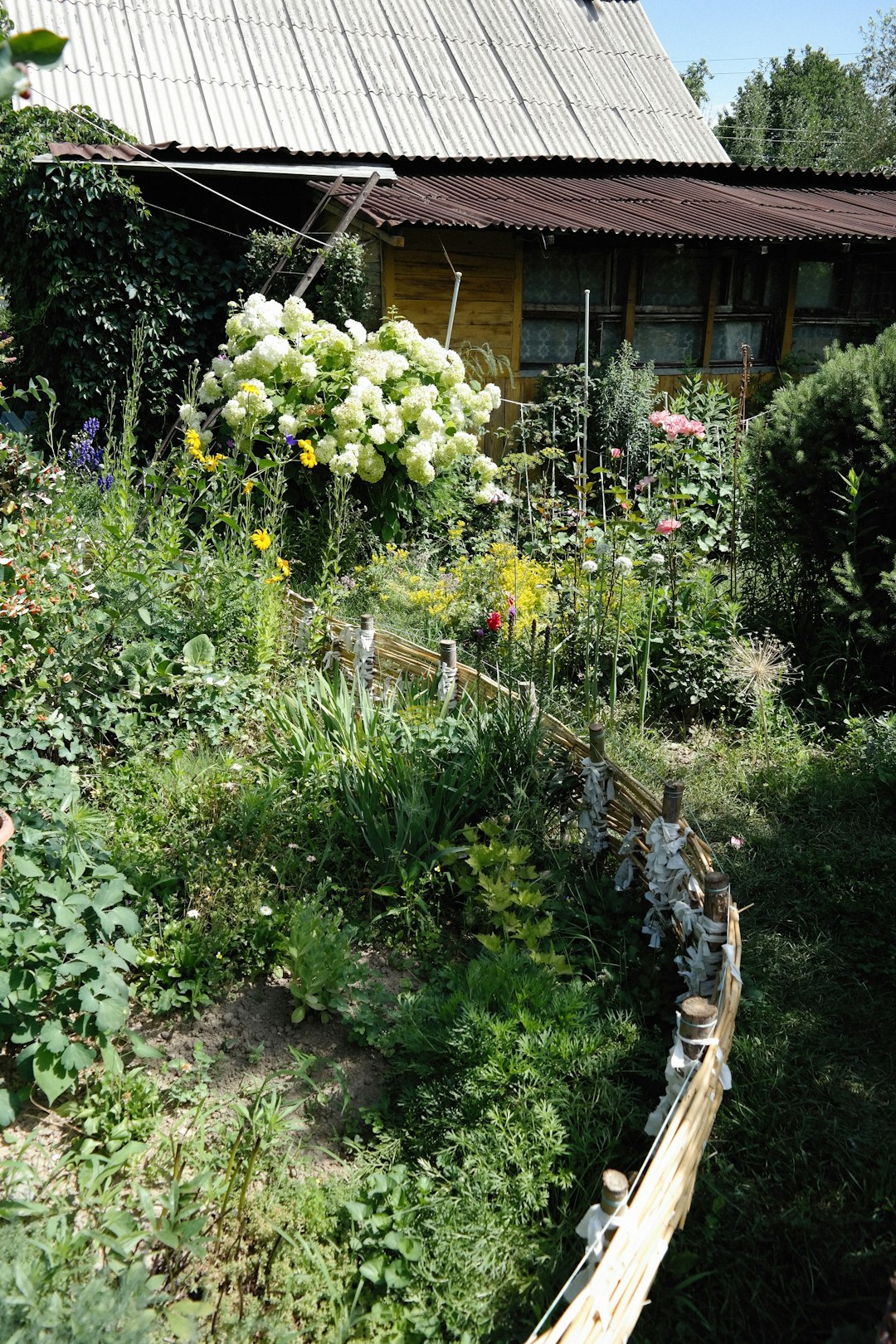
- Creating dense refuge: Plant native shrubs and trees that offer thick foliage. Creating a layered landscape with varying heights of vegetation gives small birds multiple options for cover. Brush piles made from fallen branches can also serve as excellent escape havens.
By transforming your yard into a more complex environment, you increase the survival chances of your feeder birds and make the area less appealing for a hunting hawk.
Utilizing visual deterrents and scare tactics
Beyond permanent habitat changes, various visual deterrents can be employed to make a hawk reconsider your feeder as a hunting ground. These methods aim to startle or confuse the hawk, breaking its concentration.
- Reflective objects: Items like old CDs, Mylar tape, or small mirrors can be hung near feeders. The unpredictable flashes of light, especially when they move in the wind, can disorient or startle a hawk.
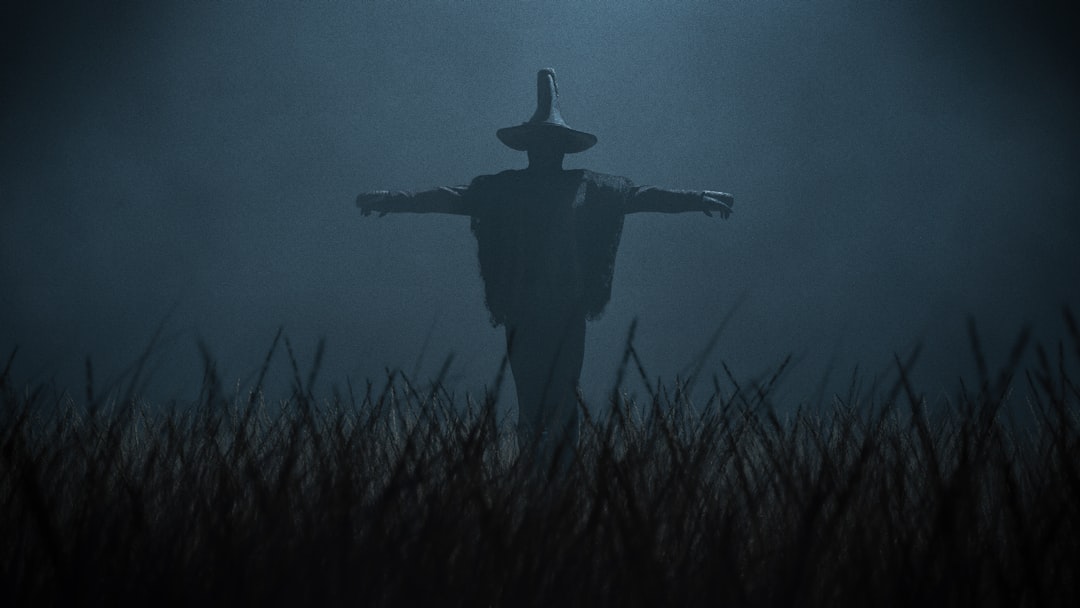
- Hawk or owl decoys: Large, lifelike decoys of predators can sometimes work, but their effectiveness is often temporary. Hawks are intelligent and quickly learn that a stationary “predator” poses no real threat. To maximize their impact, these decoys must be moved frequently (every few days) to new locations to maintain the illusion of an active threat.
- Predator “eyes”: Inflatable balloons or beach balls with large, reflective “eyes” printed on them can create the illusion of a larger predator watching. Again, movement and frequent repositioning are key.
- Motion-activated deterrents: Some gardeners use motion-activated sprinklers to deter unwanted animals. While these can be effective against hawks, they might also scare away the very birds you want to attract.
It’s important to understand that no single visual deterrent is 100% foolproof, and their effectiveness often wanes over time as hawks become accustomed to them.
| Deterrent Type | Primary Mechanism | Effectiveness Level | Key for Success |
|---|---|---|---|
| Dense cover (shrubs, trees) | Physical escape routes | High | Proximity to feeders (within 10 ft) |
| Feeder cages | Physical barrier | High | Appropriate mesh size for desired birds |
| Reflective objects (CDs, Mylar) | Startle, disorientation | Medium | Movement in wind, multiple items |
| Owl/hawk decoys | Visual threat illusion | Low to Medium | Frequent repositioning (daily/bi-daily) |
| Temporary feeder removal | Removes food source | High | Duration (1-2 weeks) |
Modifying feeding routines and supplementary strategies
Sometimes, the most direct approach is to temporarily alter your feeding habits, particularly if a hawk has established a regular hunting pattern around your feeders. If a hawk is persistently present, consider removing your feeders for a week or two. This forces the hawk to find food elsewhere, often breaking its routine of visiting your yard. When you reintroduce the feeders, the hawk may have moved on. Another strategy involves using feeders designed to be less accessible. Tube feeders with small openings or suet cages that only allow small birds to cling on make it harder for a hawk to snatch a bird. You might also consider offering a variety of food types, as some specific foods might attract birds that are particularly vulnerable. Finally, maintaining a watchful presence in your yard can sometimes be enough. Human activity often deters hawks, as they generally prefer to hunt undisturbed.
In summary, safeguarding your feeder birds from hawks involves a multi-faceted approach centered on understanding, prevention, and humane deterrence. By strategically placing feeders near dense cover while ensuring ample escape routes, modifying your yard to provide natural hiding spots, and employing visual deterrents like reflective objects or decoys that are regularly moved, you can significantly reduce the appeal of your feeding station to predatory birds. Remember, hawks are skilled hunters, and their persistence can sometimes require temporary removal of feeders or adjustments to your feeding routine. The ultimate goal is to create a safe, inviting environment for songbirds, allowing them to enjoy your offerings without becoming easy prey. With thoughtful planning and consistent effort, a peaceful coexistence between all feathered inhabitants of your backyard is entirely achievable.
Image by: sander traa