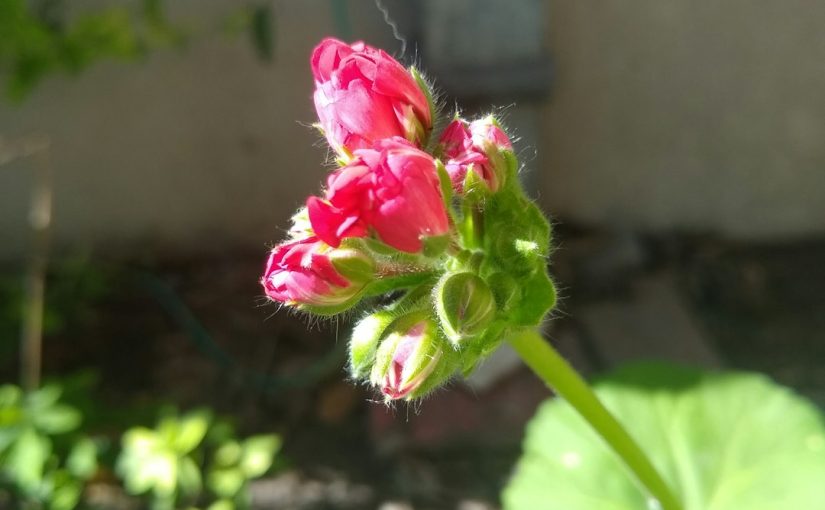
The ephemeral beauty of poppies has captivated gardeners, artists, and poets for centuries. Their delicate, often paper-thin petals, vibrant colors, and striking forms make them a beloved addition to any landscape. However, the question of “When do poppies flower?” isn’t as straightforward as it might seem. With a rich diversity spanning numerous species and cultivars, poppies present a fascinating range of bloom times that can extend their presence in the garden from early spring through late summer. Understanding these varied schedules is key to enjoying their splendor and ensuring a continuous display. This article will delve into the diverse world of poppies, exploring the typical flowering periods of popular varieties, the environmental factors that influence their bloom cycles, and how you can cultivate them to maximize their breathtaking, albeit fleeting, floral show.
Understanding poppy varieties and their typical bloom windows
The term “poppy” encompasses a vast botanical family, and each prominent member has its own preferred stage for unfurling its vibrant petals. From the cheerful annuals often associated with meadows to the majestic perennials that command attention, their bloom times are as varied as their appearances. Knowing which poppy you are cultivating is the first step in predicting its flowering season.
For instance, the common field poppy (Papaver rhoeas), an annual often seen in wild meadows and as a symbol of remembrance, typically graces us with its presence from late spring, around May, extending into mid-summer, often fading by July. Its cousin, the breadseed or opium poppy (Papaver somniferum), also an annual, generally follows closely, beginning its spectacular show in early summer, from June to July. These annual varieties tend to have a single, but prolific, burst of color before setting seed.
Then there are the perennials, offering repeat performances year after year. The Oriental poppy (Papaver orientale) is a true garden stalwart, known for its colossal blooms in fiery oranges, reds, and even purples. These magnificent flowers typically emerge in late spring to early summer, usually peaking in May and June, after which the foliage often dies back during the heat of summer, only to reappear in the fall. The cheerful California poppy (Eschscholzia californica), while technically a short-lived perennial, is often grown as an annual. It boasts a remarkably long flowering period, often starting in early spring (April) and continuing well into summer (July or August), especially in cooler climates, and can even offer a second flush in the autumn if conditions are favorable.
Less common but equally captivating are species like the Himalayan blue poppy (Meconopsis grandis), which thrives in cooler, moist conditions and typically flowers in late spring to early summer (May-July), presenting its ethereal blue hues. Arctic poppies (Papaver radicatum), adapted to extreme northern climates, are early summer bloomers, often appearing as soon as the snow melts.
Here’s a brief overview:
| Poppy Type | Botanical Name | Typical Bloom Period | Key Characteristics |
|---|---|---|---|
| Common field poppy | Papaver rhoeas | Late spring to mid-summer (May-July) | Annual, often seen in meadows, various colors |
| Breadseed/Opium poppy | Papaver somniferum | Early to mid-summer (June-July) | Annual, large blooms, seed pods for baking |
| Oriental poppy | Papaver orientale | Late spring to early summer (May-June) | Perennial, very large, vibrant flowers, foliage may die back |
| California poppy | Eschscholzia californica | Spring to late summer (April-August) | Short-lived perennial/annual, bright yellow/orange, long bloom |
| Himalayan blue poppy | Meconopsis grandis | Late spring to early summer (May-July) | Perennial, striking blue flowers, requires cool, moist conditions |
Seasonal progression: spring through summer poppy blooms
Understanding the bloom windows of different poppy varieties allows for a thoughtful progression of color in the garden from spring well into the summer months. The earliest poppies to typically emerge are often the California poppies, especially in milder climates where they can begin their show as early as April. Their sunny dispositions create a warm welcome to the spring season, often continuing to flower profusely through May and June.
As spring progresses into late spring and early summer, typically in May and early June, the grand Oriental poppies make their dramatic entrance. Their enormous, often crinkled petals in fiery hues command attention, providing a spectacular, if relatively short-lived, focal point. These are quickly followed, or sometimes overlap, with the more delicate common field poppies and the robust breadseed poppies. These annuals often begin their show in late May or early June and continue through July, painting landscapes and garden beds with their characteristic charm. The peak of their flowering often coincides with the longest days of summer, utilizing the abundant sunlight to fuel their prolific blooming.
For those in specific microclimates, the ethereal Himalayan blue poppies also fall into this late spring to early summer category. Their unique needs mean they are not as widely grown, but where conditions are met, they provide a truly unforgettable display during May, June, and sometimes into July. By the time August arrives, most poppy varieties, particularly the annuals and the flamboyant Oriental poppies, are nearing the end of their primary bloom cycle, shifting their energy towards seed production. However, diligent deadheading of some annual types like the California poppy can encourage new flushes of flowers, extending their delightful contribution to the late summer garden.
Key factors influencing poppy bloom times and duration
While each poppy variety has a genetic predisposition for its flowering period, several environmental and cultural factors significantly influence *when* they bloom and *how long* their show lasts. Understanding these elements can empower gardeners to optimize their poppy displays.
One of the primary drivers is climate and temperature. Poppies are largely sun-loving plants, and warmth is often a trigger for bloom initiation. Spring-sown annual poppies, like *Papaver rhoeas* and *somniferum*, require sufficient warmth to germinate and develop before they can produce flowers. An unusually cool spring might delay their bloom, while an early warm spell can hasten it. Conversely, excessive heat can shorten the bloom period, causing flowers to fade more quickly or even preventing new buds from forming.
Sunlight exposure is another critical factor. Most poppies thrive in full sun, meaning at least six hours of direct sunlight per day. Insufficient light can lead to leggy growth, fewer flowers, and delayed blooming. Well-drained soil is equally vital; poppies detest wet feet, which can lead to root rot and weak plants, ultimately affecting their ability to flower robustly. While they aren’t heavy feeders, a moderately fertile soil will support healthy growth and a stronger floral display.
Watering practices play a role, particularly during establishment and dry spells. While mature poppies are generally drought-tolerant, consistent, moderate watering during bud formation can contribute to larger, healthier blooms. Overwatering, however, is detrimental. Finally, cultural practices like planting time and deadheading can influence bloom duration. Many annual poppies benefit from direct sowing in early spring or even late autumn (where winters are mild) to allow for stratification and early establishment, leading to earlier blooms. For varieties that produce multiple flowers, such as the California poppy, regular deadheading (removing spent blooms) can redirect the plant’s energy from seed production back into flowering, effectively extending the show for several weeks.
The enchanting world of poppies offers a delightful array of bloom times, ensuring that these iconic flowers can grace gardens from early spring through the heart of summer. We’ve explored how different varieties, from the annual field and breadseed poppies to the perennial Oriental and California poppies, each have their distinct seasonal window for unfurling their delicate petals. The California poppy often kicks off the show in spring, followed by the dramatic Oriental poppies and later the charming annuals like *Papaver rhoeas* and *somniferum* through early to mid-summer. Even specialized varieties like the Himalayan blue poppy contribute to this varied timeline. Ultimately, the question of “When do poppies flower?” is best answered by understanding the specific variety and nurturing its needs. By considering factors such as local climate, ample sunlight, suitable soil, and appropriate watering, along with thoughtful planting and care, you can orchestrate a magnificent, extended poppy display year after year. Their fleeting beauty serves as a vibrant reminder of the seasonal ebb and flow, making each bloom a cherished moment in the garden.
Image by: Ariel Cattai