Have you ever noticed bees buzzing unusually low, almost skimming the blades of grass in your yard or local park? It’s a common sight that often sparks curiosity, leaving many to wonder about the specific behaviors behind this low-altitude flight. While most people associate bees with flowers and high-flying journeys between nectar sources, their interactions with the ground are just as vital and complex. This seemingly simple observation actually unveils a fascinating array of bee activities, from critical foraging strategies to the establishment of hidden homes, and even intricate mating rituals. Understanding why bees fly low around the grass provides valuable insights into their ecological roles and the diverse ways they contribute to our ecosystems, often right beneath our feet.
Foraging strategies: pinpointing ground-level resources
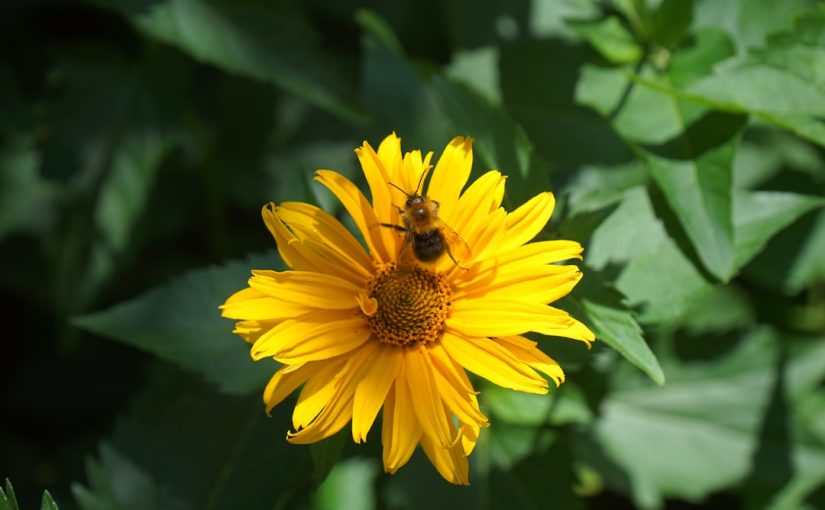
One of the primary reasons bees are observed flying low around the grass is their continuous quest for sustenance. While many associate bees with towering trees and vibrant garden blooms, a significant portion of their diet comes from smaller, ground-level plants and wildflowers that often go unnoticed. Clovers, dandelions, creeping thyme, and various other low-growing flora are rich sources of nectar and pollen. Bees meticulously navigate these landscapes, flying just above the grass to detect the scent and visual cues of these essential food sources. This low flight allows them to pinpoint individual flowers, efficiently collecting vital resources to support their colony or solitary life cycle. It’s a focused foraging technique, optimized for the specific architecture of low-lying vegetation.
The unseen homes: ground-nesting bees and their crucial activities
Perhaps one of the most compelling reasons for low-flying bees is the presence of ground-nesting species. A vast majority of bee species, in fact, are solitary and create their nests underground, rather than in hives or hollows. These bees, which include various types of mining bees (Andrena species), sweat bees (Halictidae), and cellophane bees (Colletes species), spend considerable time flying low as they search for suitable nesting sites, excavate burrows, or return to provision their underground cells. Females will fly precisely over chosen patches of bare soil or short grass, carefully surveying for the ideal conditions – good drainage, specific soil texture, and sun exposure. Once a nest is established, they fly low and repeatedly around the entrance, carrying pollen and nectar to feed their developing offspring. Males also patrol these areas, awaiting the emergence of females for mating. This constant low-level activity is a clear indication of a bustling subterranean community.
Here is a brief overview of some common ground-nesting bees and their habits:
| Bee Type (Genus) | Common Name(s) | Nesting Habits & Low-Flying Connection |
|---|---|---|
| Andrena | Mining bees | Females dig individual burrows, often in aggregations, in bare soil or sparse grass; fly low returning with pollen loads. |
| Halictus, Lasioglossum | Sweat bees | Many species nest in underground burrows, sometimes communally; frequent low flights near entrances and foraging on ground-level flowers. |
| Colletes | Cellophane bees | Known for lining their burrows with a waterproof, cellophane-like secretion; males and females fly low searching for nests and mates. |
| Diadasia | Mallow bees | Specialized on mallow family plants, they often nest in the soil near their food source, exhibiting low flight for foraging and nesting. |
Mating flights and territorial displays: a low-altitude quest for reproduction
Beyond foraging and nesting, the quest for reproduction also drives bees to fly low around grassy areas. For many solitary bee species, males emerge from their nests before the females. These males will then establish territories or patrol specific areas, often just above the ground, where they anticipate females will emerge or forage. Their low-flying patterns are part of a vigilant search for mates. They might hover, dart, and chase other males, engaging in aerial displays to assert dominance or attract attention. This behavior is particularly noticeable around nesting sites, where males are keen to be the first to intercept a newly emerged female. It’s a critical part of their life cycle, ensuring the continuation of their species, all played out in a low-level aerial ballet.
Environmental cues: navigating for moisture and shelter
Finally, environmental factors play a significant role in why bees might be flying low. Bees, like all living creatures, need water, especially during hot or dry periods. They often find moisture in dew drops on grass blades, damp soil, or shallow puddles. Flying low allows them to efficiently locate these crucial water sources. Furthermore, prevailing weather conditions can influence flight patterns. Strong winds might force bees to fly closer to the ground where air currents are less turbulent, providing a safer and more energy-efficient flight path. Similarly, seeking shelter from sudden rain showers or finding warmth on cool mornings might lead them to hover close to the ground, where the vegetation can offer some protection or residual heat.
The observation of bees flying low around the grass is far from a random occurrence; it’s a window into the intricate and vital world of these essential pollinators. We’ve explored how this behavior is deeply rooted in their fundamental needs, from the diligent search for ground-level pollen and nectar to the complex process of establishing subterranean homes. The low-altitude flights are also integral to their reproductive cycles, with males patrolling for mates and defending territories. Moreover, environmental factors such as the need for water or shelter from adverse weather conditions guide them closer to the earth. Recognizing these diverse reasons not only satisfies our curiosity but also highlights the incredible adaptability and ecological importance of bees, many of which perform their critical tasks largely unnoticed beneath our feet. So, the next time you see a bee skimming the lawn, remember the multifaceted story unfolding in those low flights.
Image by: Tadeusz Zachwieja