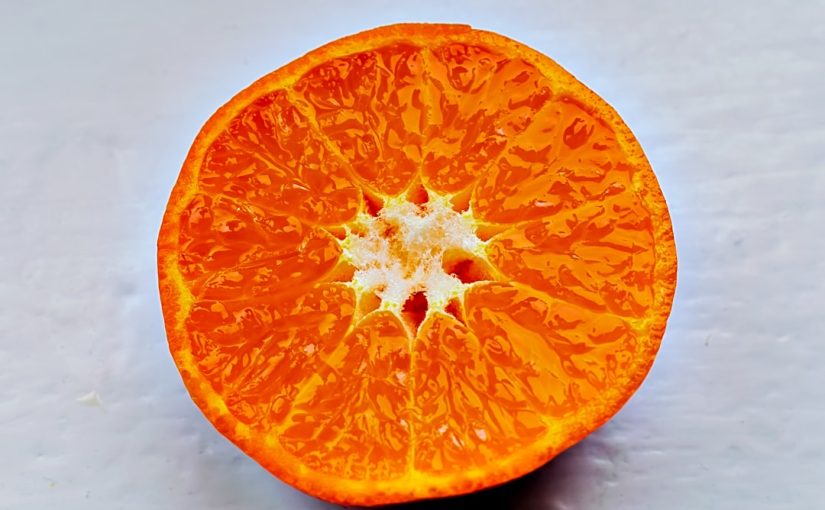
<p>There’s little more frustrating for a home gardener than nurturing an orange tree, only to find its fruit stubbornly refuses to ripen. That vibrant, sweet, and tangy taste is the culmination of months of care, but sometimes, despite your best efforts, your oranges remain green or develop poorly, leaving you wondering where you went wrong. This common gardening dilemma isn’t just a matter of patience; it often points to specific environmental factors, nutritional imbalances, or cultivation practices that are hindering the natural ripening process. Understanding these underlying issues is the first step toward harvesting the succulent, sun-kissed oranges you envision. This article will delve into the primary reasons why your oranges might not be ripening, offering insights and practical solutions to help you achieve a bountiful and delicious harvest.</p>
<h2>The critical role of climate and sunlight</h2>
<p>Orange trees, specifically <i>Citrus sinensis</i>, are sun-loving plants that thrive in subtropical and tropical climates. The ripening process is intrinsically linked to specific temperature ranges and ample sunlight exposure. If your oranges aren’t turning their characteristic vibrant color or developing their full sweetness, the most fundamental factor to consider is the environment. Citrus requires a significant amount of warmth, typically between 70°F and 90°F (21°C and 32°C), for optimal fruit development and sugar production. Cooler temperatures, especially during the crucial ripening stage, can drastically slow down or even halt this process. For instance, nighttime temperatures consistently below 50°F (10°C) can cause oranges to remain green, even if they are physiologically mature.</p>
<p>Furthermore, direct sunlight is paramount. Each fruit needs sufficient exposure to sunlight to convert starches into sugars, which is the essence of ripening. Trees planted in shady locations, or those with very dense canopies that block light from reaching the inner fruit, will produce oranges that are slower to ripen and often less sweet. Pruning can play a vital role in ensuring adequate light penetration, allowing sunlight to reach all parts of the tree and fruit. If your climate experiences unexpectedly cool summers or early cold fronts, even established trees can struggle to bring their fruit to maturity.</p>
<h2>Soil nutrition and proper fertilization</h2>
<p>Just like any living organism, orange trees depend on a balanced diet of nutrients to perform all their biological functions, including fruit ripening. A common culprit behind unripened oranges is a deficiency or imbalance in the soil’s nutrient profile. Citrus trees are particularly heavy feeders and require specific macronutrients and micronutrients at different stages of their growth cycle.</p>
<ul>
<li><b>Nitrogen:</b> While essential for lush foliage growth, excessive nitrogen can delay fruit ripening. Too much nitrogen encourages the tree to prioritize leaf production over fruit development and sugar accumulation.</li>
<li><b>Phosphorus:</b> Crucial for flower and fruit development. A lack of phosphorus can result in poor fruit set and underdeveloped fruit that struggles to ripen.</li>
<li><b>Potassium:</b> Often called the “quality nutrient,” potassium is vital for fruit size, sweetness, and overall ripening. Deficiencies can lead to small, hard, and green fruit.</li>
<li><b>Micronutrients:</b> Iron, zinc, manganese, and boron also play supporting roles in photosynthesis and enzymatic processes critical for ripening. Deficiencies can manifest as pale leaves and poor fruit quality.</li>
</ul>
<p>Conducting a soil test is the best way to identify specific deficiencies. Based on the results, you can amend your soil with appropriate fertilizers. Opt for a balanced citrus-specific fertilizer that provides a good ratio of N-P-K (Nitrogen-Phosphorus-Potassium), and apply it according to the manufacturer’s recommendations, usually in early spring and mid-summer. Over-fertilizing, especially with nitrogen, can be just as detrimental as under-fertilizing.</p>
<h2>Watering techniques and tree maturity</h2>
<p>Proper irrigation is another cornerstone of healthy orange trees and successful fruit ripening. Both under-watering and over-watering can stress the tree, leading to problems with fruit development. Orange trees require consistent moisture, especially when the fruit is developing. Inconsistent watering, periods of drought followed by heavy irrigation, can cause fruit to drop prematurely or stress the tree to the point where it cannot efficiently channel resources into ripening.</p>
<p>Conversely, waterlogging can lead to root rot, which severely compromises the tree’s ability to absorb water and nutrients, effectively starving the fruit. A good rule of thumb is to water deeply and infrequently, allowing the top few inches of soil to dry out between waterings. The specific frequency will depend on your climate, soil type, and the age of the tree.</p>
<p>The age of your orange tree also plays a significant role. Young orange trees (typically less than 3-5 years old) may produce fruit, but it often ripens poorly or drops prematurely. This is because the young tree is still expending most of its energy on establishing a robust root system and developing its canopy. As the tree matures, its energy reserves increase, allowing it to support higher quality and more consistently ripened fruit. Patience is key with young trees; focus on establishing a healthy tree structure before expecting a full, ripe harvest.</p>
<h2>Pests, diseases, and common cultivation errors</h2>
<p>The health of your orange tree directly impacts its ability to ripen fruit. Pests and diseases can divert the tree’s energy, weaken its photosynthetic capacity, and ultimately hinder fruit development. For instance, sap-sucking pests like aphids, scale, or citrus leaf miners can deplete the tree’s vigor, making it difficult for the fruit to reach maturity. Fungal diseases such as citrus scab or sooty mold can damage the fruit’s skin, impairing its ability to absorb sunlight and properly ripen. Regularly inspecting your tree for signs of pests or diseases and addressing them promptly with appropriate organic or chemical treatments is essential.</p>
<p>Beyond biological threats, certain cultivation errors can inadvertently prevent ripening:</p>
<table border=”1″>
<tr>
<th>Cultivation Error</th>
<th>Impact on Ripening</th>
<th>Solution</th>
</tr>
<tr>
<td>Over-pruning</td>
<td>Removes too much foliage, reducing photosynthesis, and fruit’s energy source.</td&
<td>Prune lightly for air circulation and light penetration; avoid heavy pruning, especially during fruiting.</td>
</tr>
<tr>
<td>Planting in unsuitable soil</td>
<td>Poor drainage or nutrient retention limits root health and nutrient uptake.</td>
<td>Ensure well-draining, slightly acidic soil. Amend with compost or peat moss if necessary.</td>
</tr&
<tr>
<td>Harvesting too early</td>
<td>Oranges do not continue to ripen significantly after being picked. They must ripen on the tree.</td>
<td>Wait for fruit to reach full color and size, and taste a sample before harvesting widely.</td>
</tr>
<tr>
<td>Lack of pollination</td>
<td>Though some varieties are self-fertile, poor pollination can lead to few or malformed fruits.</td>
<td>Encourage pollinators like bees or hand-pollinate if necessary.</td>
</tr>
</table>
<p>Each of these factors, individually or in combination, can be the missing piece in your ripening puzzle. Addressing these issues systematically will set your orange tree on the path to producing delicious, perfectly ripened fruit.</p>
<h2>Final thoughts on achieving ripened oranges</h2>
<p>In summary, the journey from a green, hard orange to a sweet, juicy fruit is a complex interplay of environmental conditions, nutrient availability, proper care, and the tree’s natural growth cycle. We’ve explored how crucial factors like consistent warm temperatures and abundant sunlight are for the enzymatic processes that convert starches to sugars, imparting both color and flavor. Nutritional balance, particularly adequate potassium and balanced nitrogen, is paramount, underscoring the importance of regular soil testing and appropriate fertilization. Moreover, consistent and correct watering techniques are vital to prevent stress, while understanding that tree maturity significantly influences fruit quality and ripening capabilities. Finally, diligently managing pests and diseases and avoiding common cultivation errors like over-pruning or premature harvesting are equally important for a successful yield. By addressing these critical elements, you can provide your orange tree with the optimal conditions it needs to flourish and produce the ripe, delectable oranges you’ve been patiently waiting for, transforming gardening frustration into a truly satisfying harvest.</p>
Image by: Kostiantyn Vierkieiev