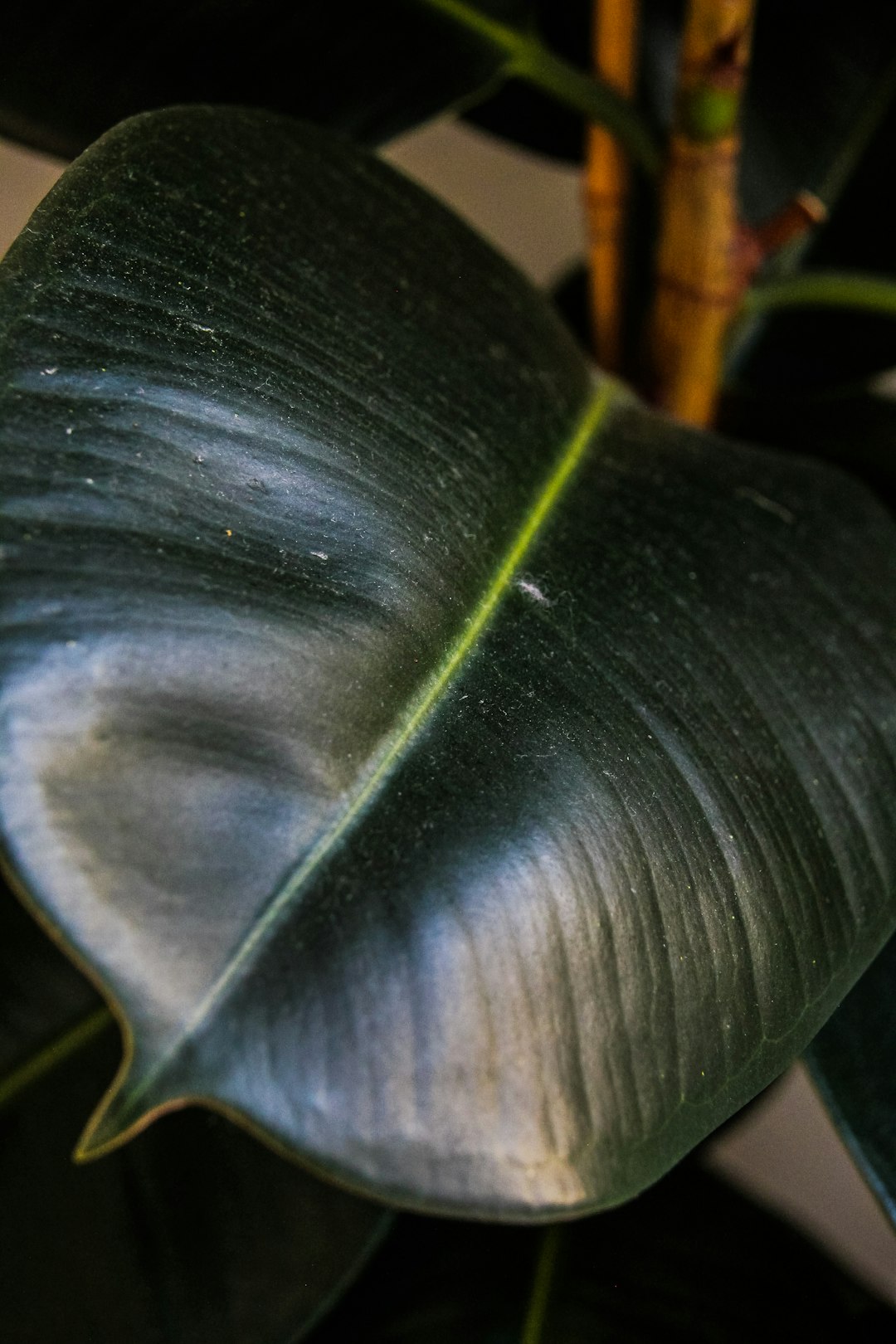
The majestic rubber plant, scientifically known as Ficus elastica, is a beloved houseplant admired for its striking, glossy foliage and architectural appeal. Originating from tropical rainforests, these plants bring a touch of the exotic indoors, making them a popular choice for both seasoned plant parents and beginners. However, even the hardiest of plants can sometimes display distress signals, and for the rubber plant, one of the most common and concerning signs is its once vibrant green leaves turning a ghastly yellow. This discoloration can be a perplexing problem, prompting questions about the plant’s health and care routine. Understanding the root causes behind yellowing leaves is the first step towards rectifying the issue and restoring your rubber plant to its lush glory. This article will delve into the various factors that contribute to this yellow transformation, offering practical solutions to keep your Ficus elastica thriving.
The delicate balance of water and soil
One of the most frequent culprits behind yellowing rubber plant leaves stems from improper watering practices, either too much or too little. Ficus elastica plants appreciate consistently moist, but never waterlogged, soil. Overwatering is particularly detrimental, as it starves the roots of oxygen, leading to root rot. When roots begin to rot, they cannot effectively absorb water and nutrients, causing the leaves, especially the lower ones, to turn yellow, become soft, and eventually drop off. You might also notice the soil stays wet for an extended period, or develops a musty odor. To avoid this, ensure your pot has adequate drainage holes and use a well-draining potting mix. Allow the top inch or two of soil to dry out completely before watering again, and always empty any excess water from the saucer.
Conversely, underwatering can also lead to yellowing, though the symptoms often differ. When a rubber plant doesn’t receive enough water, its leaves will typically turn yellow, become crispy, and often curl inwards or droop before eventually falling. The soil will be noticeably dry and pull away from the edges of the pot. While rubber plants are somewhat drought-tolerant, prolonged dryness stresses the plant. Establishing a consistent watering schedule, adjusted for the season and your home’s humidity, is crucial. Checking the soil moisture with your finger or a moisture meter is always more reliable than sticking to a rigid schedule.
Unmasking light and temperature issues
Light and temperature are critical environmental factors that directly influence the health and color of your rubber plant’s leaves. Rubber plants thrive in bright, indirect light. If your plant is placed in an area with insufficient light, its leaves may begin to yellow evenly across the plant, appear pale, and new growth might be stunted or leggy. The plant struggles to perform photosynthesis efficiently without adequate light, leading to a decline in overall health and vitality. Relocating your plant closer to a north or east-facing window, or a few feet away from a south or west-facing window where it receives diffused light, can make a significant difference.
On the other hand, direct, harsh sunlight, especially in the afternoon, can cause sunscald. This manifests as yellow patches or scorched spots on the leaves, which may eventually turn brown and crispy. While they enjoy brightness, intense direct sun is too much for their sensitive foliage. Temperature extremes and sudden fluctuations can also stress the plant. Rubber plants prefer consistent temperatures between 60-75°F (15-24°C). Exposure to cold drafts from windows or doors, or placement near heat vents, can shock the plant, causing leaves to yellow and drop. Maintaining a stable environment is key to their well-being.
Nutritional deficiencies and pests: hidden culprits
Beyond water and light, nutritional imbalances and pest infestations can also be significant contributors to yellowing leaves. A lack of essential nutrients, particularly nitrogen, magnesium, or iron, can lead to chlorosis – the yellowing of plant tissue due to insufficient chlorophyll. Nitrogen deficiency often shows up as a general yellowing of older, lower leaves, as the plant reallocates nitrogen to new growth. Magnesium deficiency might cause yellowing between the veins of older leaves (interveinal chlorosis), while iron deficiency typically affects younger leaves first. Regular fertilization during the growing season (spring and summer) with a balanced liquid fertilizer formulated for houseplants can prevent these deficiencies. However, over-fertilization can also cause problems, leading to a buildup of salts in the soil that can burn roots and result in yellow, crispy leaves. It is a delicate balance.
Pests, though tiny, can wreak havoc on your rubber plant’s foliage. Common culprits like spider mites, mealybugs, and scale insects feed on the plant’s sap, draining its vitality and causing leaves to yellow, develop spots, or even become distorted. Spider mites often leave tiny webs and fine yellow stippling on the leaves, especially on the undersides. Mealybugs appear as small, white, cottony masses on stems and leaf axils. Regular inspection of your plant, especially the undersides of leaves, can help you catch infestations early. Treating with neem oil, insecticidal soap, or horticultural oil can effectively eliminate most common pests.
| Cause | Common symptoms | Distinguishing signs |
|---|---|---|
| Overwatering | Lower leaves yellow, soft, mushy; plant wilts despite wet soil. | Foul smell from soil, roots are black and mushy. |
| Underwatering | Leaves yellow, crispy, brittle, often starting from edges; soil is bone dry. | Pot feels very light; entire plant appears dehydrated. |
| Low light | Overall pale yellowing, leggy growth, smaller new leaves. | Plant is located in a dark corner or far from a window. |
| Nutrient deficiency | Specific patterns: older leaves yellow (nitrogen), interveinal yellowing (iron/magnesium). | Slow growth, no recent fertilization. |
| Pests | Yellow spots, mottling, sticky residue; visible insects. | Webbing (spider mites), white cottony masses (mealybugs) on leaves/stems. |
The importance of environment and routine care
Finally, the overall environment and your routine care practices play a significant role in preventing yellow leaves. Rubber plants are tropical beings, and as such, appreciate higher humidity levels than are typically found in most homes. Low humidity can stress the plant, leading to brown tips and yellowing leaf edges. You can increase humidity by misting the leaves regularly, placing the plant on a pebble tray with water, or using a humidifier. Grouping plants together can also create a microclimate with increased humidity.
Another factor is repotting stress. While essential for growth, repotting can temporarily shock your plant, causing some lower leaves to yellow and drop. This is usually a temporary reaction as the plant adjusts to its new environment, provided it’s repotted correctly and not unnecessarily. Only repot when the plant is root-bound, typically every 2-3 years. Additionally, leaves can accumulate dust, which hinders photosynthesis and makes them appear dull. Wiping the leaves gently with a damp cloth every few weeks will not only keep them looking shiny but also allow them to absorb light more efficiently. Consistent and mindful care, encompassing all these elements, fosters a resilient and vibrant rubber plant.
Seeing your rubber plant’s leaves turn yellow can certainly be disheartening, but it’s important to remember that this is often a clear signal from your plant indicating that something in its environment or care routine needs adjustment. As we’ve explored, the causes are multifaceted, ranging from the easily fixable issues of over or underwatering and inadequate lighting, to more nuanced problems like nutrient deficiencies, pest infestations, or environmental stressors such as low humidity and temperature fluctuations. By systematically evaluating each potential factor, from the moisture level in the soil to the intensity of light it receives and the overall humidity, you can effectively diagnose the underlying problem. Rectifying these issues often requires small, consistent changes rather than drastic measures. With a keen eye for observation and a commitment to understanding your plant’s needs, you can not only prevent further yellowing but also foster a healthier, more vibrant Ficus elastica, ensuring it remains a lush, green focal point in your home for years to come. Remember, consistency and attentive care are the keys to a thriving plant.
Image by: Mohammad saaraan