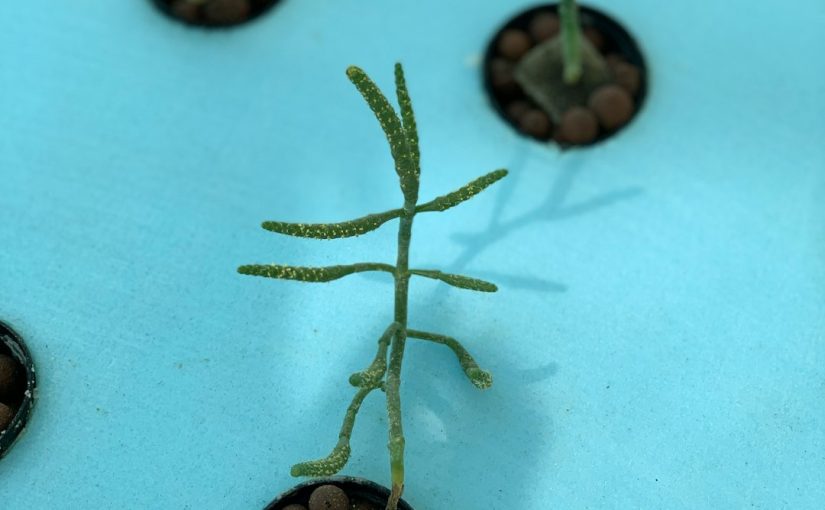
There’s little more disheartening for a budding gardener than witnessing the vibrant promise of sunflower sprouts wilt and droop. What started as tiny, hopeful green shoots can quickly succumb to a concerning slump, leaving you to wonder what went wrong. This common gardening dilemma can be frustrating, but more often than not, a droopy sunflower sprout isn’t a death sentence. Instead, it’s usually a clear signal that something in its immediate environment isn’t quite right. Understanding these vital signs and identifying the underlying causes is the first step toward reviving your young sunflowers and ensuring they grow into the magnificent, sun-worshipping giants you envision. Let’s delve into the primary reasons why your precious sunflower sprouts might be drooping and how you can nurse them back to health.
Watering woes: The critical balance of moisture
One of the most frequent culprits behind drooping sunflower sprouts is improper watering. It’s a delicate balance; both too much and too little water can cause significant stress. When sprouts are underwatered, their cells lose turgor pressure, leading to visible wilting as the plant struggles to draw moisture from the soil. The leaves might feel dry and crispy, and the soil will appear parched.
Conversely, overwatering is equally, if not more, damaging. While it might seem counterintuitive, excessive moisture suffocates the roots by displacing essential oxygen in the soil. Without oxygen, roots cannot properly absorb water or nutrients, effectively causing the plant to “drown” even when surrounded by water. This leads to symptoms often mistaken for underwatering: limp, yellowing leaves and a general droop. Prolonged overwatering can result in root rot, a fungal disease that turns roots mushy and brown, making recovery much harder. Always check the soil moisture about an inch or two deep before watering. If it feels damp, wait. Ensure your seed trays or pots have adequate drainage holes to prevent waterlogging.
Light and temperature: Finding the sweet spot
Sunflower sprouts are sun-lovers, even in their infancy, but they can be sensitive to extremes. A lack of sufficient light is a common issue for indoor-started sprouts. If they don’t receive enough direct sunlight or artificial grow light, they will stretch excessively, becoming leggy and pale as they desperately search for light – a phenomenon known as etiolation. These elongated, weak stems struggle to support the leaves, causing them to droop or even collapse. Aim for 12-16 hours of bright light daily for indoor sprouts.
On the other hand, while they adore sunshine, very young sprouts can be overwhelmed by sudden, intense direct sun exposure, especially if they haven’t been gradually acclimated (hardened off). This can cause scorching or stress, leading to temporary wilting. Temperature extremes also play a role. Sunflower sprouts prefer temperatures between 65-75°F (18-24°C). Temperatures much colder can stunt their growth and cause them to droop as their metabolic processes slow down. Conversely, excessively hot conditions can accelerate moisture loss through transpiration, leading to rapid wilting if not adequately watered.
Soil and nutrition: A foundational perspective
The medium in which your sunflower sprouts grow is fundamental to their health. Poor soil quality can be a silent killer. Soil that is too dense or compacted prevents proper drainage, exacerbating overwatering issues and suffocating roots. A good quality potting mix designed for seed starting offers the ideal balance of aeration and moisture retention. It should be light, well-draining, and free of large clumps.
While sprouts initially draw energy from their seed, they quickly rely on soil nutrients for sustained growth. A deficiency in essential nutrients can manifest as stunted growth, yellowing leaves, and ultimately, drooping. However, over-fertilization is also a significant risk for delicate sprouts. Too much fertilizer, especially synthetic varieties, can “burn” the tender roots, leading to damage, wilting, and even death. It’s often best to use a dilute, balanced liquid fertilizer only after the sprouts have developed their first set of true leaves, or to ensure your potting mix already contains sufficient, slow-release nutrients suitable for young plants.
Here’s a quick overview of common issues:
| Symptom | Possible Cause | Solution |
|---|---|---|
| Limp, pale, stretched stems | Insufficient light | Move to brighter spot, use grow lights |
| Limp, yellowing leaves, wet soil | Overwatering/Root rot | Reduce watering, improve drainage, repot if severe |
| Dry, crispy leaves, dry soil | Underwatering | Water thoroughly, ensure consistent moisture |
| Stunted growth, discolored leaves | Nutrient deficiency/Excess | Use balanced, dilute fertilizer (if deficiency), flush soil (if excess) |
| Visible pests, damaged foliage | Pest infestation | Identify pest, use organic pest control |
Pests and diseases: Unwanted invaders
Even at their tender age, sunflower sprouts can fall victim to pests and diseases. While less common than environmental issues, they can be devastating. Common pests like aphids can suck the sap from young leaves and stems, weakening the plant and causing it to droop. Fungus gnats, though primarily a nuisance, can have larvae that feed on delicate roots, particularly in overly moist soil, leading to stress and wilting. Regularly inspecting your sprouts for tiny insects or unusual leaf damage is crucial for early detection.
Diseases, especially fungal ones, are often linked to environmental factors. Damping-off, a common fungal disease, causes young seedlings to suddenly collapse at the soil line, often due to overly wet conditions, poor air circulation, or contaminated soil. Root rot, as mentioned earlier, is another fungal issue directly tied to persistent overwatering. Ensuring good air circulation around your sprouts, using sterilized potting mix, and maintaining proper watering practices are your best defenses against these microbial threats. If a disease is suspected, isolating affected plants and potentially disposing of them can prevent further spread.
The sight of drooping sunflower sprouts can certainly be alarming, but as we’ve explored, it’s typically a reversible sign that your plant is communicating a need for adjustment in its care. From the delicate balance of watering to the critical provision of light and suitable temperatures, and the foundational support of proper soil and nutrition, each element plays a vital role in a sprout’s early development. Furthermore, staying vigilant against potential pest infestations and fungal diseases can prevent minor issues from escalating into significant problems. By carefully observing your sprouts and systematically addressing these common environmental factors, you can often diagnose and rectify the issue, allowing your young sunflowers to recover their vigor. Remember, gardening is a continuous learning process, and understanding these early challenges will equip you to cultivate strong, healthy sunflowers ready to face the sun with unwavering strength.
Image by: Suvrajit 💭 S