The sight of a vibrant pink peony in full bloom is a highlight of any spring garden. Their lush, multi-petaled flowers bring a wave of romantic charm and a burst of color. So, when those cherished pink blossoms suddenly present themselves as pure white, it can be quite a perplexing and even disappointing experience for a gardener. Many assume something has gone drastically wrong or that their plant is unhealthy. The truth behind this fascinating color shift is often a complex interplay of genetics, environmental factors, and sometimes, the very nature of the peony cultivar itself. Understanding these underlying mechanisms can not only demystify the phenomenon but also help you appreciate the dynamic beauty of your garden’s star performers.
Genetic mutations and color expression
At the heart of any color change in plants, including peonies, lies the intricate world of genetics. Plant color is primarily determined by pigments like anthocyanins, which are responsible for red, purple, and, yes, pink hues. The production and expression of these pigments are controlled by specific genes within the plant’s DNA. When a pink peony turns white, the most common and direct cause is a somatic mutation. This means a spontaneous change has occurred in the genetic material of some cells within the plant, specifically those responsible for producing the pink pigment.
Think of it like a printer running out of magenta ink for certain parts of the paper. These mutated cells, which can no longer produce anthocyanins effectively, then replicate, leading to an entire stem or even a whole flower producing white petals instead of pink. This phenomenon is often localized, meaning you might see both pink and white flowers on the same plant, or even sectors of pink and white on a single bloom, known as “chimeras.” Environmental stressors, while not directly causing the mutation, can sometimes put enough pressure on a plant to make such genetic errors more likely or more noticeable. However, the core mechanism remains a change at the genetic level, altering the plant’s ability to express its intended color.
Environmental influences and plant health
While genetic mutation is the primary driver for a permanent color change from pink to white, various environmental factors can play a significant supporting role, either by influencing the intensity of existing color or by stressing the plant in ways that could make genetic shifts more apparent. It is important to distinguish between a genuine color change due to genetic mutation and a temporary fading or bleaching effect.
- Sunlight exposure: Intense, prolonged sunlight can cause existing pigments to fade or bleach, especially on the outer petals. A deep pink peony might appear a much paler pink or even nearly white by the end of its bloom cycle due to sun exposure, without a true genetic change having occurred. This is a common occurrence and often reversible in subsequent blooms or on parts of the plant receiving more shade.
- Soil pH and nutrient availability: While less likely to cause a complete shift from pink to white, soil conditions can affect the vibrancy and depth of color. Anthocyanin production can be influenced by nutrient availability. For instance, deficiencies in phosphorus or potassium, or extreme soil pH levels, can stress the plant and result in less intense or paler coloration. However, this typically manifests as a washed-out pink rather than a stark white.
- Plant stress: Factors like extreme heat, drought, overwatering, or even pest infestations can put a peony under significant stress. A stressed plant may divert resources away from non-essential processes like vibrant pigment production, leading to paler flowers. While this won’t change the underlying genetic code, it can make the visual effect of a color change more pronounced or simply diminish the intended pink hue.
Here is a summary of environmental factors and their typical impact on peony color:
| Factor | Primary impact | Likelihood of turning pink to white |
|---|---|---|
| Intense sunlight | Pigment bleaching, fading | Low (more likely to be pale pink) |
| Soil pH (extreme) | Nutrient uptake issues, reduced vibrancy | Very Low (more likely to be pale pink) |
| Nutrient deficiencies | Reduced pigment production, paler color | Very Low (more likely to be pale pink) |
| Plant stress (heat, drought, pests) | Overall plant vigor reduction, paler blooms | Low (contributes to dullness, not a complete shift) |
Age, maturity, and cultivar characteristics
The age and maturity of your peony plant can also play a role in color variations, particularly when combined with the inherent characteristics of specific cultivars. As peonies age, they, like all living organisms, undergo cellular changes. An older plant has had more time for spontaneous genetic mutations to occur and accumulate within its tissues. This is why you might notice an established, decades-old peony suddenly producing a white flower where only pink ones previously existed.
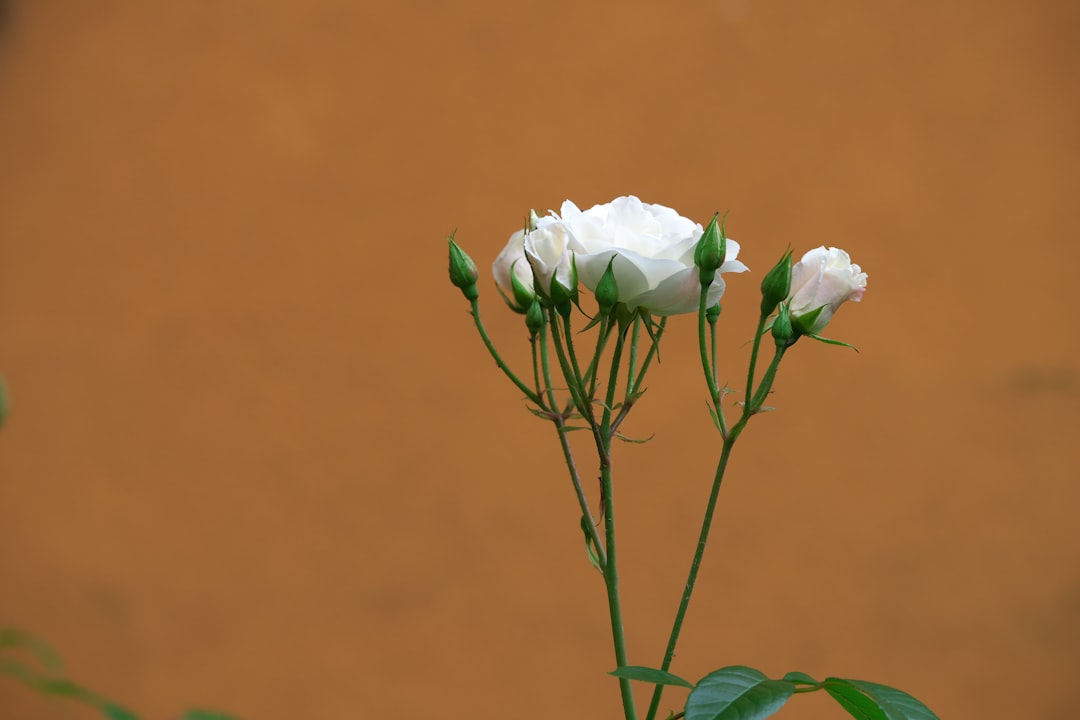
Furthermore, some peony cultivars are naturally prone to color variations as they mature or even within a single bloom cycle. For example, some varieties are known to open with a delicate pink blush that gradually fades to pure white as the flower fully develops and is exposed to the sun. A classic example is ‘Shirley Temple’, which famously starts as a blush pink and matures into a creamy white. Another, ‘Nymphe’, also exhibits a noticeable lightening over time. It is crucial for gardeners to research the specific characteristics of their peony variety, as what appears to be a mysterious color change might simply be the plant behaving exactly as its genetics dictate. In some cases, peonies might even revert to the color of their rootstock if the original grafted scion (the pink variety) is weakened or dies back, and the rootstock (which could be a different, white-flowered variety) takes over.
Understanding the shift and managing expectations
Discovering that your beloved pink peony has turned white can be a surprise, but understanding the underlying reasons—primarily genetic mutation, sometimes influenced by environmental factors or simply the natural progression of certain cultivars—can help you manage your expectations and appreciate your plant’s dynamic nature. While a genetic mutation causing a pink-to-white shift is generally irreversible for the affected tissue, it usually does not indicate a problem with the plant’s overall health. In many cases, it simply means your peony has developed a unique “sport” or branch that now expresses a different color.
If you prefer the original pink color, you can prune off the white-flowering stems, hoping that the remaining pink-producing parts of the plant will continue their original coloration. However, if the entire plant has shifted, or if you find the new white blooms beautiful, you can simply enjoy the unexpected transformation. Ensuring optimal growing conditions—adequate sunlight, well-draining soil, proper nutrition, and consistent watering—will always promote the healthiest and most vibrant blooms, regardless of their color. Ultimately, a peony turning white is a testament to the fascinating complexity of plant biology, a gentle reminder that nature always holds a few surprises up her sleeve.
Image by: Almas Salakhov