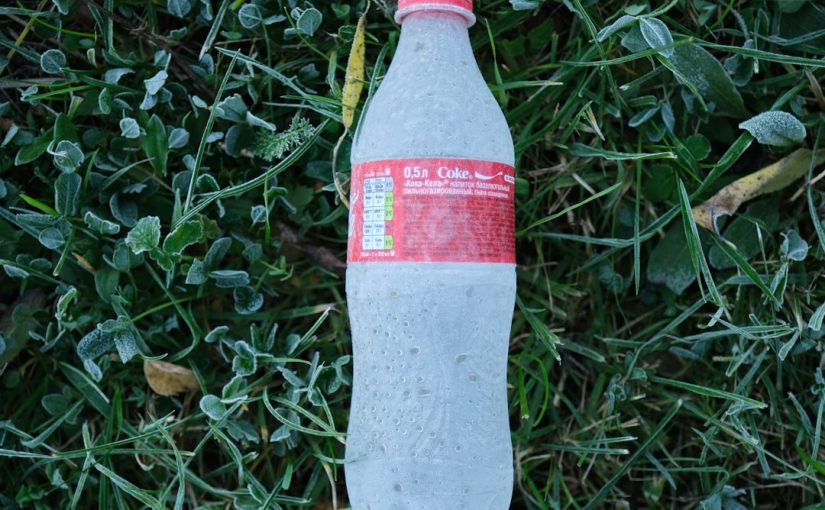
Driving through neighborhoods, you might occasionally spot a curious sight: an empty plastic milk jug sitting on a lawn, seemingly out of place. This isn’t just random litter or an accidental oversight by a homeowner. In fact, this peculiar practice often holds surprising intent and a variety of practical, and sometimes even peculiar, purposes. From deterring unwanted pests to acting as ingenious gardening tools, those humble milk jugs are far more than just discarded plastic. This article delves into the fascinating reasons behind this lawn oddity, exploring the diverse motivations that lead people to repurpose these everyday containers, transforming them into unexpected assets for their yards and communities.
The pragmatic gardener: pest deterrents and resourceful aids
One of the most common reasons people place milk jugs on their lawns is rooted in a desire to protect their green spaces from common nuisances. For many, these repurposed containers serve as a low-cost, DIY method to deter a variety of pests. For instance, some homeowners believe that filling milk jugs with water and placing them strategically can create vibrations in the soil, which are thought to disturb and drive away burrowing animals like moles, voles, and gophers. The theory suggests that the slightest movement of the water within the jug, amplified by the plastic, sends unsettling signals through the ground, making the area less appealing for these subterranean invaders.
Beyond ground pests, milk jugs are also frequently employed in attempts to deter larger animals. Deer, notorious for munching on garden plants and shrubs, are a persistent problem in many regions. Some gardeners swear by placing reflective objects, including shiny, empty milk jugs, around their property. The idea is that the glinting plastic, especially when filled with water, creates an unexpected flash or movement that startles deer, making them less likely to approach. While scientific evidence for the effectiveness of these methods varies and is often anecdotal, the low cost and accessibility of milk jugs make them a popular first line of defense for many a frustrated gardener.
Ingenious irrigation and plant protection strategies
The versatility of a simple plastic milk jug extends far beyond pest control, making it an invaluable tool for resourceful gardeners. One highly effective application is as a slow-release watering system. By puncturing small holes in the bottom of a clean milk jug, filling it with water, and burying it partially next to a thirsty plant, gardeners can provide a steady, deep drip of moisture directly to the root zone. This method minimizes water evaporation and ensures that water penetrates deeply, encouraging stronger root growth, especially beneficial for newly planted trees, shrubs, or water-intensive vegetables during dry spells.
Furthermore, milk jugs offer excellent protection for delicate plants. During unexpected cold snaps or early frosts, an empty jug can be inverted over young seedlings or vulnerable plants, acting as a mini-cloche or greenhouse. This creates a protective dome that traps warmth, shields against wind, and prevents frost damage. Similarly, when starting seeds outdoors earlier in the season, cutting off the bottom of a jug and placing it over a seedbed can create a warm, humid microclimate, accelerating germination and protecting fragile sprouts from harsh weather and pests. These practical applications highlight the milk jug’s transformation from waste product to vital gardening aid.
| Use Case | Primary Benefit | How it Works | Effectiveness (General Consensus) |
|---|---|---|---|
| Rodent Deterrent | Protects roots and turf | Vibrations from water, light reflection | Largely anecdotal, limited scientific backing |
| Deer Deterrent | Protects garden plants | Reflected light, perceived “presence” | Highly anecdotal, often temporary or ineffective |
| Slow-Release Watering | Efficient, deep hydration | Punctured jugs deliver water directly to roots | Very effective for targeted watering |
| Frost Protection | Shields young plants | Acts as a mini-cloche, traps warmth | Effective for light frosts and cold winds |
| Seed Starting/Cloche | Warms soil, protects sprouts | Creates a humid microclimate, blocks wind | Effective for early growth and protection |
Beyond utility: community signals and quirky traditions
While most reasons for milk jugs on lawns are practical, some instances hint at less obvious, perhaps even symbolic, purposes. In some neighborhoods, a milk jug might serve as a temporary marker for something important. For example, a note inside or taped to a jug could signify a lost pet alert, a “free to take” item awaiting collection, or even a simple marker for underground sprinkler heads or utilities. In certain communities, especially those with strong recycling or upcycling cultures, an empty jug might be a subtle signal to neighbors that a household is offering these items for reuse, anticipating that someone else might need them for their own gardening projects or creative endeavors.
Finally, there are those instances where the reason is simply idiosyncratic. Perhaps a homeowner temporarily placed it there for a reason they’ve since forgotten, or it’s part of a personal, quirky tradition that makes little sense to outsiders. These cases, while less common, remind us that human behavior is complex, and sometimes, the explanation for an unusual sight might be far simpler or more personal than we imagine. Regardless of the specific intent, the presence of a milk jug on a lawn is almost never without *some* underlying motivation, however obscure it may seem at first glance.
The humble milk jug, often destined for the recycling bin, finds a surprising second life on our lawns and in our gardens, driven by a diverse array of motivations. We’ve explored how these common containers are ingeniously repurposed to deter pests, from burrowing moles to browsing deer, even if the effectiveness can sometimes be more hopeful than scientific. More tangibly, they serve as smart, cost-effective solutions for targeted irrigation and crucial plant protection against harsh weather, demonstrating remarkable resourcefulness. Beyond these practical applications, milk jugs can also function as subtle community signals or simply be part of unique individual habits. Ultimately, the presence of a milk jug on a lawn is a testament to human ingenuity and the enduring desire to find practical, often eco-friendly, solutions within our immediate environment. So, the next time you spot one, remember: it’s likely more than just an abandoned piece of plastic; it’s a statement, a tool, or perhaps even a secret message in plain sight.
Image by: Yuriy Mayatnikov