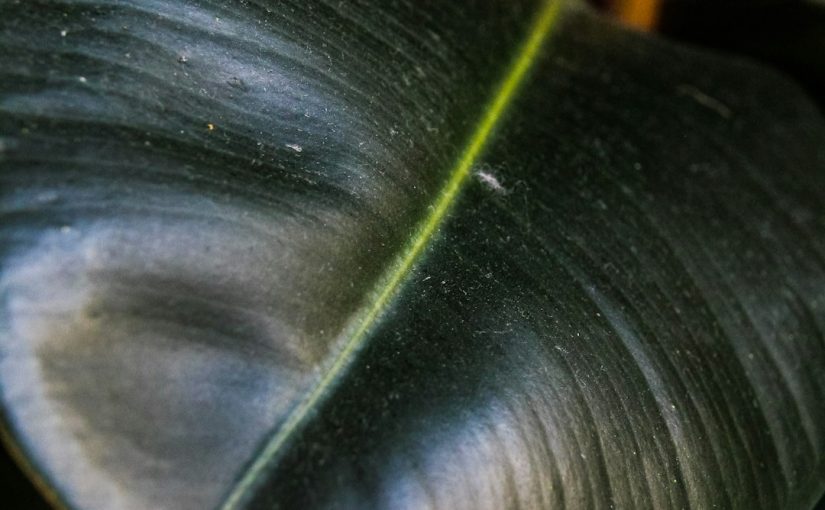
The Ficus elastica, commonly known as the rubber plant, is a beloved houseplant, admired for its striking, glossy foliage and robust presence. However, even these seemingly resilient plants can sometimes present alarming symptoms, such as discolored leaves and unsightly spots. Observing your rubber plant’s vibrant green turn yellow, brown, or develop peculiar markings can be a source of frustration and concern for any plant parent. These changes are rarely random; they are often the plant’s way of signaling that something in its environment or care routine needs attention. Understanding the underlying causes behind these aesthetic imperfections is the first crucial step towards restoring your plant to its former glory. In this article, we will explore the most common reasons why your rubber plant might be exhibiting discolored leaves and spots, providing clear insights and actionable solutions to help you diagnose and treat these issues effectively.
The subtle signs of improper care: water, light, and humidity
Many of the visible issues on a rubber plant’s leaves stem directly from its immediate environment and the fundamental care it receives. Improper watering habits are perhaps the most frequent culprits. An overwatered rubber plant, for instance, often displays leaves that turn yellow and may develop soft, mushy stems or dark, water-soaked spots. This is due to the roots sitting in stagnant water, which suffocates them and can lead to root rot—a serious condition where roots decay and can no longer absorb nutrients effectively. Conversely, an underwatered plant will show symptoms like crispy, dry leaves, often browning at the edges, and a general wilting appearance as it struggles to maintain turgidity. Finding the right balance means allowing the top few inches of soil to dry out between waterings.
Light exposure also plays a critical role. While rubber plants appreciate bright, indirect light, too much direct sun can lead to leaf scorching, appearing as bleached patches or brown, crispy spots where the sun’s intensity has damaged the leaf tissue. On the other hand, insufficient light can cause leaves to become dull, lose their vibrant color, and even yellow as the plant struggles to photosynthesize efficiently, sometimes leading to leggy growth where the plant stretches in search of light. Humidity levels, though often overlooked, can contribute to leaf problems. Rubber plants prefer moderate to high humidity; in dry environments, especially during winter months with indoor heating, leaf tips and edges can turn brown and crispy. This is a common physiological response to a lack of moisture in the air.
Nutrient imbalances and the silent stress of soil
Beyond immediate environmental factors, the health of your rubber plant is deeply intertwined with the quality of its soil and the availability of essential nutrients. A plant’s potting mix acts as its foundation, providing anchorage, moisture retention, and a reservoir for vital minerals. When the soil is poor, compacted, or drains inadequately, it can lead to a cascade of problems. Soil that retains too much moisture can exacerbate overwatering issues, while soil that drains too quickly might contribute to underwatering. Furthermore, the pH level of the soil significantly impacts how well your plant can absorb nutrients; if the pH is too high or too low, certain nutrients can become unavailable to the roots, even if they are present in the soil.
Nutrient deficiencies manifest in distinct ways on the leaves. For example, a lack of nitrogen, a crucial element for overall plant growth and green foliage, typically results in a general yellowing of older leaves, starting from the edges and progressing inwards. Iron or magnesium deficiencies often cause interveinal chlorosis, where the areas between the leaf veins turn yellow, while the veins themselves remain green. Potassium deficiency, less common but still possible, might lead to browning or yellowing of leaf margins and stunted growth. Regularly fertilizing your rubber plant during its growing season with a balanced, diluted liquid fertilizer can help prevent these nutritional imbalances, ensuring the soil remains a healthy, supportive medium for robust growth.
Uninvited guests: identifying and tackling pests
Sometimes, the discolored leaves and spots on your rubber plant are not due to environmental stress or nutrient deficiencies, but rather the unwelcome presence of pests. These tiny invaders feed on plant sap, causing damage that manifests visually on the foliage. Identifying the specific pest is key to effective treatment.
- Spider mites: These minuscule arachnids are difficult to see with the naked eye, but their damage is evident. They cause tiny yellow or white stippling (pinpoint dots) on the leaves, usually accompanied by fine webbing, especially on the undersides or in leaf axils. The leaves may eventually turn completely yellow or bronze.
- Mealybugs: Recognized by their white, cottony masses found in leaf axils, on stems, and on the undersides of leaves. They suck sap, leading to yellowing, wilting, and stunted growth. Mealybugs also excrete sticky honeydew, which can attract sooty mold.
- Scale insects: These appear as small, stationary bumps (brown, black, or reddish) on stems and leaves. They can be hard or soft-bodied. Like mealybugs, they feed on sap and excrete honeydew, causing yellowing and weakening of the plant.
- Thrips: Tiny, slender insects that create silvery streaks or flecks on the leaves, often accompanied by small black dots (their excrement). Severely infested leaves may appear distorted or discolored.
Regularly inspecting your plant, especially the undersides of leaves and stem joints, can help catch infestations early. Treatment often involves wiping down leaves with a damp cloth, using insecticidal soap, or applying neem oil, ensuring thorough coverage to eradicate these persistent nuisances.
Beyond the visible: understanding diseases and internal issues
While pests and improper care are common, discolored leaves and spots can also indicate fungal or bacterial diseases, or even physiological disorders within the plant itself. These issues often require a slightly different approach for diagnosis and treatment.
- Fungal leaf spots: These typically appear as circular or irregular spots, often dark brown or black, sometimes with a yellow halo around the edges. They thrive in overly humid conditions and poor air circulation, often exacerbated by wet leaves. Root rot, previously mentioned, is also a fungal disease, resulting from prolonged overwatering.
- Bacterial leaf spots: These usually start as small, water-soaked lesions that can expand and turn dark brown or black. They often have an angular or irregular shape and might appear greasy. Bacterial diseases are highly contagious and can spread rapidly through water splashes.
- Edema: This is a physiological disorder, not a disease or pest, caused by the plant absorbing more water than it can transpire. Excess water pressure builds up in the leaf cells, causing them to burst. This often manifests as small, blister-like bumps or corky spots, typically on the undersides of leaves. It’s most common after heavy watering following a dry period, or in high humidity with poor air circulation.
Proper air circulation, avoiding overhead watering, and removing affected leaves can help manage fungal and bacterial issues. For edema, adjusting watering practices and ensuring adequate air movement are crucial. Understanding these internal issues helps refine your plant care, ensuring a healthier and more resilient rubber plant.
A holistic approach to healing: diagnosis and prevention
Addressing discolored leaves and spots on your rubber plant requires a systematic approach, beginning with careful observation and accurate diagnosis. By understanding the common culprits, you can interpret your plant’s symptoms and implement the most effective solutions. Below is a table summarizing key symptoms and their typical causes and remedies.
| Symptom | Potential Cause | Solution |
|---|---|---|
| Yellowing leaves (overall) | Overwatering, Low light, Nutrient deficiency (Nitrogen) | Adjust watering, move to brighter spot, fertilize |
| Brown/crispy leaf edges/tips | Underwatering, Low humidity, Salt buildup | Water more thoroughly, mist, pebble tray, flush soil |
| Dark/black spots (soft/mushy) | Overwatering, Fungal infection (Leaf Spot, Root Rot) | Reduce watering, improve air circulation, prune affected leaves, fungicide (if severe) |
| Tiny yellow/white stippling, webbing | Spider mites | Isolate plant, wipe leaves, apply neem oil or insecticidal soap |
| White, cottony masses | Mealybugs | Remove with alcohol swab, apply insecticidal soap or neem oil |
| Sticky residue (honeydew) | Mealybugs, Scale, Aphids | Inspect for pests, treat accordingly, wipe leaves |
| Blister-like bumps (underside) | Edema | Adjust watering, improve air circulation, reduce humidity |
| Yellowing between veins (veins green) | Nutrient deficiency (Iron, Magnesium) | Check soil pH, use a balanced fertilizer, chelated iron/magnesium supplement |
The journey to a healthy rubber plant often involves a bit of detective work. From correcting watering habits and optimizing light exposure to improving humidity, providing balanced nutrition, and diligently checking for pests and diseases, each step is crucial. The ultimate goal is not just to react to problems but to create an environment where your plant can thrive, preventing issues before they arise. Regular inspection, consistent care, and a keen eye for subtle changes will empower you to keep your Ficus elastica looking its best, a testament to your green thumb and dedication.
Observing discolored leaves and spots on your rubber plant can be disheartening, but as we’ve explored, these are often clear indicators that your plant needs specific adjustments to its care routine or environment. We’ve delved into the common culprits, ranging from the fundamental aspects of watering, light, and humidity to more intricate issues like nutrient imbalances and soil health. Understanding how overwatering can lead to root rot and dark spots, or how insufficient light can dull foliage, provides crucial insights for every plant owner. Furthermore, we discussed how pests like spider mites and mealybugs leave their tell-tale signs, and how fungal diseases or physiological conditions such as edema can uniquely affect leaf appearance. Each symptom offers a clue, guiding you towards the appropriate intervention.
The key takeaway is that your rubber plant is a living organism constantly reacting to its surroundings. By meticulously diagnosing the problem based on the specific type of discoloration or spot, you empower yourself to implement targeted and effective solutions. Whether it involves adjusting your watering schedule, relocating your plant for better light, enriching the soil with proper nutrients, or carefully treating for pests and diseases, consistent and attentive care is paramount. Ultimately, cultivating a thriving rubber plant is an ongoing process of observation, learning, and adaptation. With patience and the right knowledge, you can restore its vibrant health and ensure it remains a stunning feature in your home for years to come.
Image by: Denley Photography