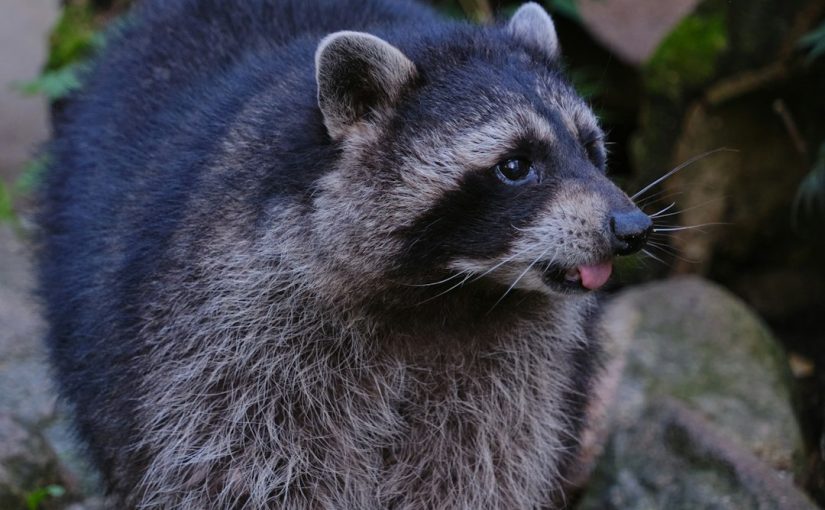
Are your carefully arranged potted plants suddenly looking like a war zone, with soil scattered across your patio and delicate foliage uprooted? If you live in an area frequented by urban wildlife, the prime suspect might just be a mischievous masked bandit: the raccoon. These incredibly intelligent and adaptable creatures are renowned for their insatiable curiosity and relentless foraging habits, which regrettably often lead them directly to our gardens and, specifically, our meticulously maintained containers. The straightforward answer to whether raccoons will dig in potted plants is a resounding ‘yes.’ Understanding the underlying reasons for this disruptive behavior, learning to identify the tell-tale signs of their unwelcome visits, and, most importantly, implementing effective strategies to deter them is essential for safeguarding your horticultural efforts. This article will explore the habits of these nocturnal foragers and equip you with actionable methods to keep your potted greenery secure.
The nocturnal gardeners: why raccoons dig
The primary motivation behind a raccoon’s digging spree in your potted plants boils down to one simple, yet powerful, instinct: food. Raccoons are opportunistic omnivores with a highly developed sense of smell and dexterous front paws, making them incredibly efficient foragers. Your potted plants, especially those containing rich, organic soil, can be a veritable buffet for them. Here are the main attractants:
- Insect larvae and grubs: The moist, loose soil in pots is an ideal habitat for various insect larvae, such as beetle grubs or cutworms. Raccoons can easily detect these protein-rich snacks and will not hesitate to dig them out.
- Worms: Earthworms are another common inhabitant of healthy potting soil, providing an easy meal for a hungry raccoon.
- Fallen fruit or seeds: If your potted plants are fruit-bearing or if seeds from nearby trees or bird feeders land in them, raccoons will be attracted to these caloric treats.
- Pet food remnants: Sometimes, other animals, like squirrels, might bury pet food or nuts in your pots. Raccoons, ever vigilant, will dig to uncover these caches.
- Curiosity: Beyond food, raccoons are inherently curious creatures. They explore their environment extensively, and a newly placed pot or a different-smelling plant can pique their interest, leading to an exploratory dig. They may even be testing the stability of a pot for potential shelter or simply enjoying the tactile experience of sifting through soil.
Their nocturnal nature means they often operate under the cover of darkness, making them difficult to catch in the act, leaving gardeners to wake up to the frustrating aftermath.
Identifying the culprits: signs of raccoon activity
When you discover your potted plants disturbed, it is important to accurately identify the perpetrator, as different pests require different deterrence strategies. Raccoons leave behind distinctive clues that set them apart from other garden vandals like squirrels, birds, or even neighborhood cats. Look for these tell-tale signs:
- Overturned or displaced pots: Raccoons are surprisingly strong and can easily knock over smaller pots, especially if they are light. They may even drag pots a short distance if they are trying to access something underneath.
- Scattered soil: The most obvious sign is soil strewn across your patio or deck. Their digging is often vigorous and messy, designed to quickly unearth whatever they are after.
- Disturbed plants: You might find plants pulled partially or entirely out of their pots, their roots exposed, or foliage damaged. They aren’t necessarily eating the plants themselves, but rather destroying them in their search for grubs.
- Claw marks: On softer pots or wooden planters, you might notice visible claw marks from their strong, dexterous paws.
- Tracks: Raccoon tracks are distinctive, resembling miniature human hands with five long, slender toes and a heel pad. Their hind tracks are often longer and narrower, with five toes that are more spread out. Finding these prints in soft soil nearby is a strong indicator.
- Droppings: Raccoon droppings are tubular, dark, and often contain undigested food matter like seeds or insect parts. They tend to leave droppings in specific “latrine” areas, which can sometimes be near their foraging sites.
While squirrels might make small, precise holes to bury nuts, and cats might use pots as litter boxes, raccoon damage is typically more widespread and destructive, reflecting their powerful digging and foraging style.
Proactive deterrence: keeping raccoons away from your plants
Once you’ve confirmed that raccoons are the culprits, immediate action is necessary to protect your potted plants. A multi-pronged approach combining physical barriers, sensory deterrents, and elimination of attractants is usually most effective. Persistence is key, as raccoons are intelligent and will adapt if methods are not consistent.
| Deterrent Type | Description | Effectiveness Level | Considerations |
|---|---|---|---|
| Physical barriers | Chicken wire, hardware cloth, netting secured over pots or around vulnerable plants. Heavy rocks on top of soil. | High | Can be unsightly; requires regular checking for breaches; pots must be heavy enough not to be overturned. |
| Scent repellents | Sprinkling cayenne pepper, black pepper, garlic powder, or using commercial granular repellents. Ammonia-soaked rags (away from plants). | Moderate | Requires frequent reapplication, especially after rain; effectiveness varies per raccoon; may irritate pets. |
| Sensory deterrents | Motion-activated lights or sprinklers. Ultrasonic pest repellers. Loud noises (radio, wind chimes). | Moderate to High | Lights/sprinklers can be highly effective; ultrasonic devices have mixed reviews; can be triggered by other animals. |
| Eliminating attractants | Bringing pet food indoors at night. Securing trash cans. Cleaning up fallen fruit/berries. Removing grubs from soil. | Very High | Most fundamental step; reduces the primary motivation for digging; requires consistent effort. |
| Securing pots | Using heavier pots or placing weights inside lighter ones. Grouping pots closely together. | Moderate | Prevents overturning; won’t stop digging if food is present. |
For physical barriers, consider creating a “cage” of chicken wire around individual pots or a larger section of your patio where pots are grouped. Bury the edges slightly into the soil or secure them tightly to prevent raccoons from simply pushing them aside. Scent repellents work by irritating their sensitive noses; however, they often require reapplication after watering or rain. Be cautious with strong chemicals, especially around edible plants or pets. Motion-activated devices can be quite startling to raccoons, discouraging them from lingering. The most crucial step, however, is eliminating attractants. If there’s no easy meal to be found, raccoons are far less likely to visit. This includes securing compost bins and ensuring outdoor pet food bowls are empty overnight.
What to do after a digging incident: recovery and reinforcement
Discovering your potted plants ravaged by raccoons can be disheartening, but prompt action can salvage your plants and strengthen your defenses. The immediate aftermath is a critical time for both recovery and strategic reinforcement.
First, assess the damage to your plants. Gently re-pot any displaced plants, ensuring their roots are covered with fresh potting mix. Water them thoroughly to help settle the soil and reduce transplant shock. If leaves or stems are severely damaged, prune them back to encourage new growth. Clean up all the scattered soil and debris, as any remnants might still carry the scent of previous visitors and attract new ones.
Immediately after cleanup, reinforce your deterrence methods. If you tried one method that failed, implement an additional layer of protection. For instance, if you only used scent repellents, now add a physical barrier. Raccoons are intelligent and can learn to overcome singular deterrents. Varying your strategies makes it harder for them to adapt. Consider rotating different scent repellents or repositioning motion-activated devices to keep them guessing. Remember that consistency is paramount. A single lapse in your defensive strategy can invite them back, and once they establish a food source, they are more likely to return repeatedly.
Long-term success hinges on understanding that raccoon deterrence is an ongoing process, not a one-time fix. Regularly inspect your pots and surrounding areas for signs of activity. Stay vigilant with securing potential food sources around your property, not just near your plants. By combining quick recovery with reinforced, diverse deterrence, you can gradually teach raccoons that your potted plants are no longer an easy target, encouraging them to seek their meals elsewhere.
In conclusion, the question of whether raccoons will dig in potted plants is definitively answered with a yes; these intelligent, opportunistic foragers frequently target containers in their relentless search for food. Driven primarily by the presence of grubs, worms, or other edibles within the rich potting soil, their nocturnal visits can leave a trail of overturned pots, scattered earth, and disturbed plants. Identifying their distinctive claw marks, widespread digging patterns, and characteristic tracks is crucial for confirming their involvement. Successfully protecting your cherished potted plants requires a proactive, multi-faceted strategy that acknowledges the raccoon’s cunning nature. Implementing physical barriers like wire mesh, employing sensory deterrents such as motion-activated lights, and, most importantly, diligently eliminating all potential food attractants are the cornerstones of effective prevention. While dealing with a digging incident can be frustrating, prompt plant recovery combined with a consistent reinforcement of diverse deterrents will significantly reduce future occurrences. By understanding their motivations and staying persistent with your defenses, you can maintain a thriving, raccoon-free container garden.
Image by: Andrii Khrystian