Cultivating the exotic dragon fruit, with its vibrant colors and refreshing taste, has become a rewarding endeavor for many home gardeners. However, achieving a bountiful harvest isn’t always as simple as planting a seed or cutting. Many dragon fruit varieties, particularly those grown outside their native habitats, require a crucial intervention: hand pollination. This intricate process ensures the successful fertilization of the plant’s stunning, nocturnal flowers, leading to the development of the coveted fruit. Without human assistance, factors like the absence of natural pollinators or the self-incompatible nature of certain varieties can leave your dragon fruit vines barren. Understanding and mastering the art of hand pollination is key to unlocking your plant’s full potential, transforming those beautiful blooms into a delicious reality. This guide will walk you through every step to ensure your dragon fruit harvest is a success.
Understanding dragon fruit flowering and pollination needs
Before you can successfully hand pollinate, it’s essential to understand the unique biology of dragon fruit flowers. Most dragon fruit varieties, members of the cactus family, are nocturnal, meaning their large, fragrant blossoms typically open only after dusk and close by dawn. This brief window of opportunity is critical. Furthermore, dragon fruit plants can be categorized by their pollination requirements:
- Self-fertile (Self-pollinating): These varieties can produce fruit using pollen from the same flower or other flowers on the same plant. While they can self-pollinate, hand pollination often significantly increases fruit set and size.
- Self-sterile (Self-incompatible): These varieties require pollen from a genetically different, compatible dragon fruit plant to produce fruit. This is where cross-pollination becomes absolutely vital.
Natural nocturnal pollinators, such as bats and moths, are often scarce in many cultivated areas, making hand pollination a necessary practice, especially for self-sterile types. Knowing your variety’s specific needs is the first step towards a fruitful harvest. Below is a quick guide to some common varieties:
| Dragon Fruit Variety | Common Pollination Type | Typical Skin Color | Typical Flesh Color |
|---|---|---|---|
| American Beauty (Hylocereus undatus ‘Purple Haze’) | Self-sterile | Red/Pink | Purple-Red |
| Physical Graffiti (Hylocereus undatus ‘Purple Haze’ x ‘Yellow’) | Self-sterile | Bright Pink | Pink/Purple |
| Yellow Dragon (Selenicereus megalanthus) | Self-fertile | Yellow | White |
| Vietnamese White (Hylocereus undatus ‘J.H. Kim’) | Self-sterile | Red/Pink | White |
| Israel Yellow (Hylocereus undatus ‘Golden’) | Self-fertile | Yellow | White |
Each flower contains both male parts (stamens with anthers producing pollen) and female parts (the pistil, with a receptive stigma). Identifying these components is crucial for effective hand pollination.
Essential tools and timing for success
Successful hand pollination hinges on two main factors: having the right tools and impeccable timing. The process is relatively simple, but precision matters.
Gathering your tools
You’ll need just a few basic items:
- A soft, small paintbrush or Q-tip: This will be your primary tool for collecting and transferring pollen. Choose one with soft bristles that won’t damage the delicate flower parts.
- A small container (optional but recommended): A clean, dry dish or small plastic bag can be used to temporarily store collected pollen, especially if you’re cross-pollinating.
- A flashlight or headlamp: Since the flowers open at night, a light source is indispensable for clearly seeing the flower’s anatomy.
Mastering the timing
This is arguably the most critical aspect. Dragon fruit flowers typically begin to open in the late evening, around 7-9 PM, reaching full bloom in the middle of the night. The window for successful pollination is relatively short, usually lasting until the early morning hours (before sunrise, often 4-6 AM). The optimal time for pollination is often described as between 9 PM and midnight when the stigma is most receptive and the pollen is most viable.
To check for readiness, observe the flower:
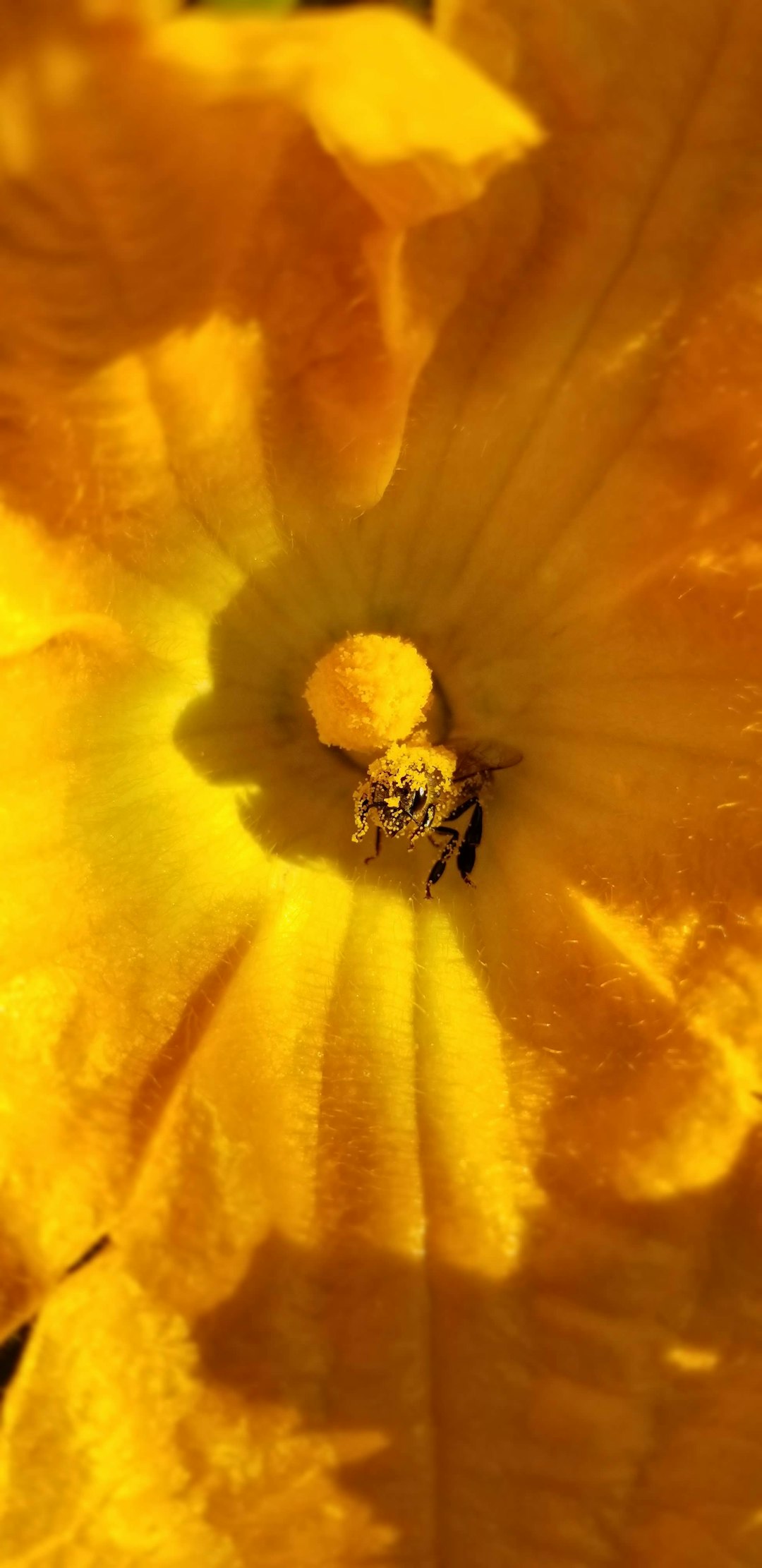
- Anthers: The anthers, located on numerous stamens surrounding the central pistil, will appear powdery with visible pollen when ripe.
- Stigma: The stigma, which is the fuzzy, multi-pronged tip of the central pistil, will often glisten slightly with a sticky fluid, indicating its receptivity. It’s like a tiny, waiting catcher’s mitt for pollen.
If you wait too long, past sunrise, the flower will begin to close, and the stigma’s receptivity will diminish significantly, reducing your chances of successful fruit set.
Step-by-step guide to hand pollination
With your tools ready and the timing perfected, you can now proceed with the actual hand pollination process. This involves carefully collecting pollen and transferring it to the receptive stigma.
Collecting the pollen
- Locate the anthers: Inside the fully open flower, you’ll see numerous yellow anthers clustered around the central pistil.
- Gently collect pollen: Use your soft paintbrush or Q-tip to lightly brush across the ripe anthers. The pollen, which looks like fine yellow dust, will adhere to the bristles or cotton swab. For self-fertile varieties, you can collect pollen from the same flower. For self-sterile varieties requiring cross-pollination, you’ll need to collect pollen from a different, compatible dragon fruit flower that is also open at the same time. If collecting from multiple flowers or for storage, gently tap the brush over your small container to release the pollen.
- Ensure ample pollen: Don’t be shy; collect a good amount of pollen. More pollen generally leads to better fertilization and larger fruits.
Transferring the pollen
- Identify the stigma: In the center of the flower, you’ll find the pistil, which culminates in a multi-lobed, fuzzy stigma. This is your target.
- Apply the pollen: With the pollen-laden paintbrush or Q-tip, gently but thoroughly dab and brush the collected pollen onto all surfaces of the stigma. Ensure that pollen adheres to every lobe of the stigma. You want to see a visible dusting of yellow pollen on the stigma.
- Be thorough but gentle: While you need to ensure good coverage, avoid pressing too hard or damaging the delicate floral structures.
- Cross-pollination consideration: If you are cross-pollinating, make sure you are using pollen from a different, compatible variety onto the target flower’s stigma. Using the same paintbrush for different varieties without cleaning it could lead to mixed results, so it’s wise to use separate tools or clean them thoroughly between applications.
Repeat this process for every open flower on your plant. The more diligently and thoroughly you hand pollinate, the higher your chances of a successful fruit set.
Post-pollination care and what to expect
Once you’ve completed the meticulous process of hand pollination, the waiting game begins. Observing your plant in the days following pollination will tell you if your efforts were successful and what to expect next.
Signs of success
If pollination was successful, you’ll notice changes within a few days:
- Wilting flower: The large, beautiful flower will typically wilt and close up within 24-48 hours. This is normal and a good sign.
- Ovary swelling: At the base of the flower, behind where the petals were attached, the ovary (which contains the developing seeds) will begin to swell and enlarge. This is the fruit starting to form. It will look like a small, green bulb.
When pollination fails
If pollination was unsuccessful, the flower will simply shrivel and drop off the plant after closing, without any noticeable swelling of the ovary. This can happen for several reasons:
- Insufficient pollen transfer.
- Pollen was not viable.
- Stigma was not receptive.
- Incompatible varieties were used for cross-pollination.
- Environmental factors like extreme temperatures or humidity during the pollination window.
Don’t be discouraged if some flowers don’t set fruit; it’s a learning process. Continue to hand pollinate subsequent blooms.
Ongoing care for fruit development
Once fruit set is confirmed, continue providing optimal care for your dragon fruit plant:
- Watering: Maintain consistent moisture, especially during fruit development, but avoid waterlogging.
- Nutrients: Ensure adequate fertilization. Many growers apply a balanced fertilizer or one higher in phosphorus and potassium during fruiting periods.
- Support: Dragon fruit vines are heavy. Ensure your trellis or support structure can handle the weight of multiple developing fruits.
Dragon fruit typically takes about 28-35 days from successful pollination to ripen. The exact time varies by variety and environmental conditions. The fruit will change color and soften slightly when ripe. Continue to monitor your fruits for these signs of readiness.
Hand pollinating dragon fruit flowers is a highly rewarding practice that significantly boosts your chances of a successful harvest. By understanding the nocturnal nature and specific pollination needs of your chosen varieties, you lay the groundwork for success. Equipping yourself with simple tools like a soft paintbrush and mastering the critical timing window — from late evening to early morning — are paramount. The meticulous steps of collecting ample pollen from the anthers and gently yet thoroughly transferring it to the receptive stigma ensure that fertilization can occur. While some flowers may not set fruit, observing the subtle signs of ovary swelling will confirm your efforts have borne fruit, quite literally. Remember to continue providing consistent care, including proper watering and nutrients, to support the developing fruits. The satisfaction of harvesting your own sweet, homegrown dragon fruit, a direct result of your hands-on dedication, makes every step of this unique gardening endeavor truly worthwhile.
Image by: Chris Kursikowski