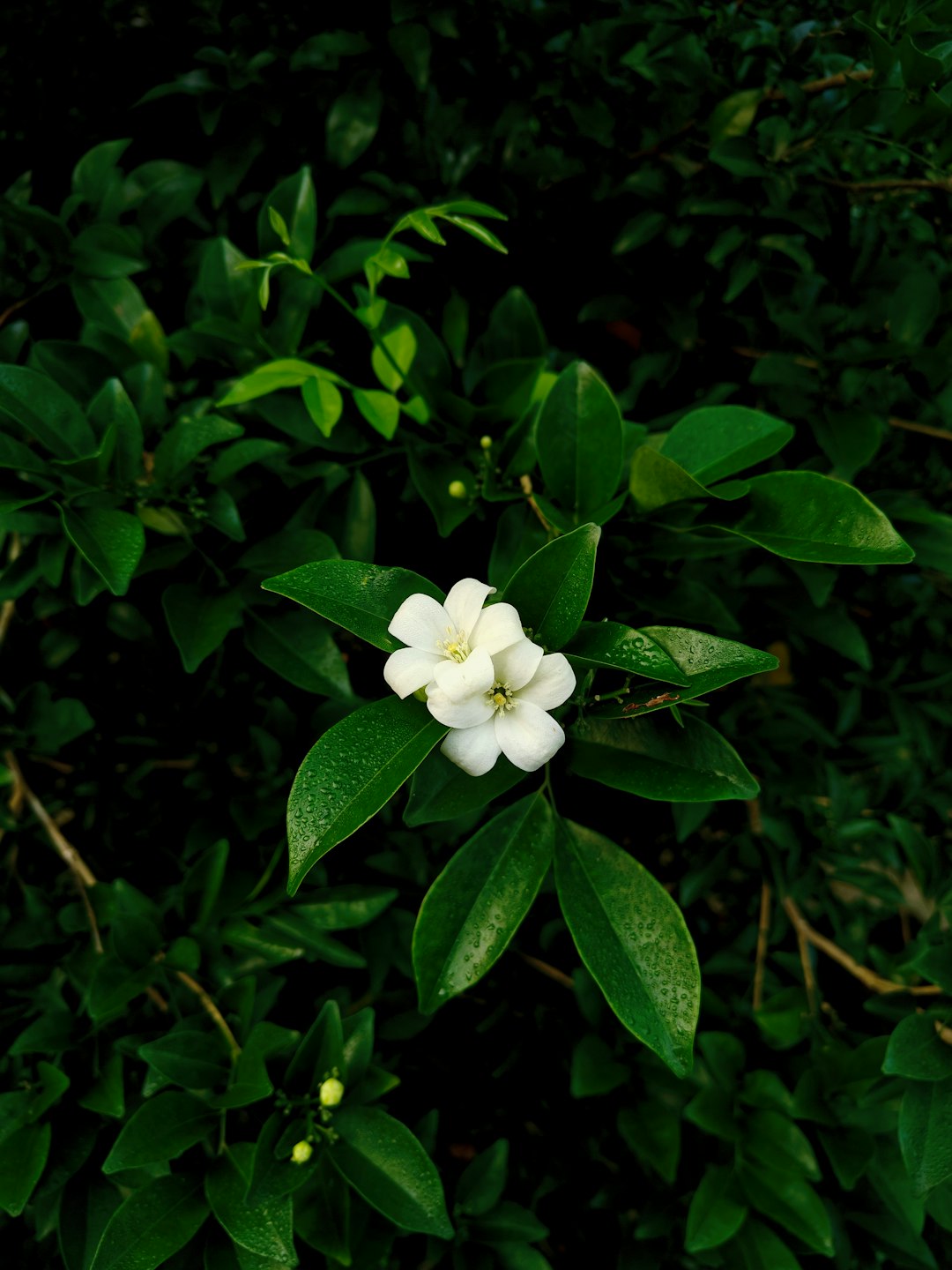
Star Jasmine (Trachelospermum jasminoides) is a beloved evergreen vine, cherished for its glossy dark green leaves and intensely fragrant white blossoms. It adds an elegant touch to gardens, trellises, and containers, thriving in a variety of climates. However, the sight of its normally vibrant leaves turning an alarming shade of brown can be a source of distress for any gardener. This common issue often signals an underlying problem with the plant’s health or environment. Understanding the precise reasons behind this discoloration is the first step toward restoring your Star Jasmine to its lush, thriving state. This article will delve into the primary culprits, from common care mistakes to less obvious environmental factors, empowering you with the knowledge to diagnose and treat your plant effectively.
Understanding star jasmine’s environmental needs and common care mistakes
Star Jasmine, while relatively hardy, does have specific environmental preferences that, when not met, can quickly lead to distress signals like browning leaves. The most frequent issues often stem from improper watering, inappropriate light exposure, and unsuitable temperatures.
Watering imbalances: Both underwatering and overwatering are significant contributors to brown leaves. When a Star Jasmine is *underwatered*, its leaves may first curl or wilt before progressively turning crisp and brown, starting from the tips or margins. This is the plant’s way of conserving moisture. Conversely, *overwatering* is often more insidious, leading to root rot. Saturated soil deprives roots of oxygen, causing them to decay and lose their ability to absorb water and nutrients. Even though the soil is wet, the plant effectively experiences drought symptoms, manifesting as yellowing then browning leaves that often feel soft or mushy, sometimes accompanied by a general decline of the plant. A good rule of thumb is to allow the top inch or two of soil to dry out between waterings.
Light and temperature sensitivity: Star Jasmine thrives in full sun to partial shade. Too much direct, intense afternoon sun, especially in hot climates, can scorch the leaves, causing them to turn brown and crispy. Conversely, insufficient light, while less likely to cause immediate browning, can weaken the plant over time, making it more susceptible to other stressors. Rapid temperature fluctuations or prolonged exposure to extreme cold can also lead to browning, particularly on the outer edges of the foliage, as the plant reacts to environmental stress.
Soil health and nutrient deficiencies: The unseen foundation
The health of your Star Jasmine is intrinsically linked to the condition of its soil. Problems beneath the surface, such as poor soil quality, pH imbalances, or nutrient deficiencies, can significantly impact leaf coloration and overall plant vigor, often resulting in brown foliage.
Soil structure and drainage: Star Jasmine prefers well-draining soil. Heavy, compacted clay soils retain too much moisture, creating anaerobic conditions that are perfect for root rot. Amend such soils with organic matter like compost or perlite to improve drainage and aeration. Conversely, overly sandy soils may drain too quickly, leading to constant underwatering if not monitored carefully.
Soil pH: Star Jasmine generally prefers a slightly acidic to neutral soil pH, typically between 6.0 and 7.0. If the pH is too high (alkaline), essential micronutrients like iron and manganese become less available to the plant, even if present in the soil. This can lead to chlorosis (yellowing) between the leaf veins, which, if left unaddressed, can progress to overall browning and stunted growth. A soil test can accurately determine your soil’s pH and nutrient levels.
Nutrient deficiencies: While over-fertilization can burn roots and cause browning, deficiencies are also common. Nitrogen deficiency can lead to overall yellowing and then browning of older leaves. Iron deficiency often causes interveinal chlorosis (yellowing between green veins) on new growth, which can later turn brown. Magnesium deficiency results in similar symptoms on older leaves. Regular, balanced fertilization during the growing season can prevent many of these issues, but always follow product instructions to avoid over-application.
Pests and diseases: Unwelcome visitors and hidden threats
Sometimes, the browning of your Star Jasmine leaves isn’t a cultural issue but rather the work of microscopic organisms or tiny insects. Identifying these pests and diseases early is crucial for effective treatment.
Common pests:
- Spider mites: These tiny arachnids thrive in hot, dry conditions. They suck sap from the leaves, causing tiny stippling (small dots) that progresses to a bronzed or brownish discoloration, often accompanied by fine webbing on the undersides of leaves.
- Scale insects: Appearing as small, immobile bumps on stems and leaves, scale insects also feed on plant sap. Their feeding can lead to yellowing and eventual browning of leaves, along with sticky honeydew.
- Mealybugs: These fuzzy, white, cottony insects are another sap-sucking pest. Their feeding can weaken the plant, causing leaves to yellow, wilt, and eventually turn brown.
Regular inspection of your plant, especially the undersides of leaves and stem joints, can help catch these pests early. Horticultural oils or insecticidal soaps are often effective treatments.
Fungal diseases:
- Root rot: As mentioned earlier, root rot is typically a consequence of overwatering and poor drainage. The fungi involved attack the roots, rendering them unable to absorb water and nutrients, leading to widespread yellowing, wilting, and browning of leaves. The plant will appear water-stressed despite wet soil.
- Leaf spot diseases: Various fungi can cause leaf spots, which may start as small, discolored lesions that eventually enlarge and merge, sometimes turning brown or black. Severe infections can lead to premature leaf drop. Good air circulation and avoiding overhead watering can help prevent these.
Prevention through proper watering and good hygiene is key to managing these diseases. Fungicides may be necessary for severe cases, but addressing the underlying environmental conditions is paramount.
Chemical burns and environmental toxins: The hidden dangers
Beyond common care issues, pests, and diseases, your Star Jasmine’s browning leaves could be a reaction to external chemical stressors or environmental pollutants. These can cause acute damage and often appear suddenly.
Herbicide drift: If you or a neighbor have used herbicides to control weeds in nearby areas, fine particles can drift through the air and land on your Star Jasmine. Even tiny amounts of non-selective herbicides can cause severe damage, leading to distorted growth, yellowing, and rapid browning or scorching of leaves. The symptoms often appear on one side of the plant or in patches, depending on the drift pattern.
Pesticide or fertilizer over-application: While pesticides treat pests and fertilizers provide nutrients, excessive use of either can be detrimental. Applying too much fertilizer can lead to “fertilizer burn,” where salts accumulate in the soil and draw moisture out of the plant’s roots, causing leaf margins and tips to turn brown and crispy. Strong concentrations of certain pesticides can also chemically burn foliage, resulting in localized browning.
Environmental pollution and unusual soil contaminants: In urban or industrial areas, air pollution can sometimes stress plants, making them more susceptible to other problems or directly causing leaf damage. Similarly, less common but potent soil contaminants, such as spills of cleaning agents, petroleum products, or construction chemicals, can be absorbed by roots and manifest as severe leaf discoloration and browning.
Understanding these less obvious causes requires careful observation and ruling out other possibilities. If chemical exposure is suspected, thoroughly flushing the soil with clean water (if it’s a soil contaminant) or carefully pruning affected areas (in the case of drift) might be necessary.
| Common Cause | Typical Symptoms on Leaves | Potential Solutions |
|---|---|---|
| Underwatering | Crisp, dry brown tips/edges; wilting; overall leaf drop. | Water deeply and regularly; check soil moisture before watering. |
| Overwatering (Root Rot) | Soft, mushy brown leaves; yellowing before browning; wilting despite wet soil. | Improve drainage; allow soil to dry out between waterings; check roots for rot. |
| Sunburn / Heat Stress | Scorched, crispy brown patches, especially on leaves exposed to direct sun. | Provide partial shade during peak afternoon sun; move potted plants. |
| Nutrient Deficiency | Yellowing between veins (chlorosis) progressing to brown, often on new or old growth. | Perform a soil test; apply balanced fertilizer or specific micronutrients. |
| Spider Mites | Stippling, bronzing, browning, fine webbing on undersides. | Hose off with water; apply insecticidal soap or horticultural oil. |
| Herbicide Drift | Distorted, curling, yellowing, then browning of leaves, often unilateral damage. | Prune affected parts; shield plants when spraying nearby; avoid windy days. |
The sudden appearance of brown leaves on your Star Jasmine can certainly be disheartening, but it’s a clear signal from your plant that something in its environment or care routine needs attention. We’ve explored a range of potential causes, from fundamental issues like incorrect watering and light exposure to more complex problems involving soil health, nutrient availability, and the insidious attacks of pests and diseases. We also delved into less common but equally damaging factors such as chemical burns from herbicides or over-fertilization, and environmental toxins. The key takeaway from this comprehensive guide is the importance of becoming a keen observer of your plant. By carefully examining the symptoms, considering recent changes in its environment, and understanding the specific needs of Star Jasmine, you can effectively diagnose the problem.
Remember, a thriving Star Jasmine is a testament to consistent care and prompt intervention. Don’t be discouraged by browning leaves; instead, view it as an opportunity to deepen your gardening knowledge and strengthen your bond with your plant. With a little investigation and appropriate action, you can restore your Star Jasmine to its former glory, ensuring it continues to grace your garden with its beauty and captivating fragrance for many years to come.
Image by: Suri Huang