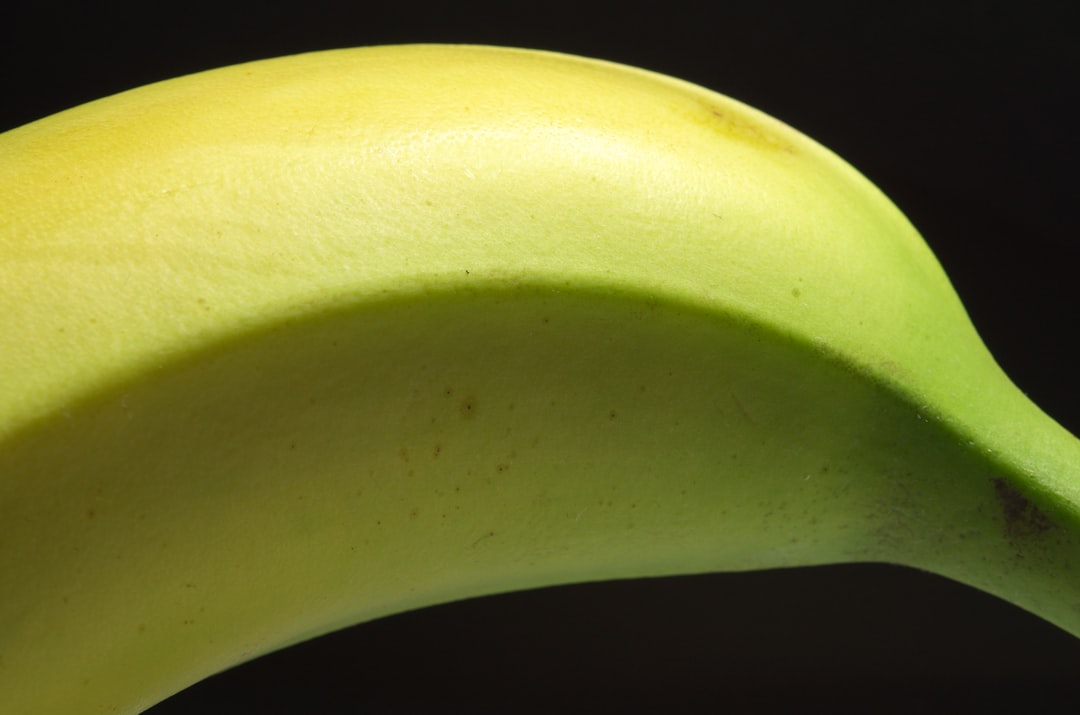
Did you know that the banana peels you typically toss into the trash hold a surprising secret for your garden? Far from being mere waste, these often-discarded skins are packed with essential nutrients that can supercharge your plants’ growth and vitality. Transforming them into a powerful organic fertilizer is not only incredibly simple but also a fantastic step towards a more sustainable home and garden. The key lies in properly drying them, a process that concentrates their goodness and makes them easy to store and apply. Whether you’re a seasoned gardener looking for natural solutions or a beginner eager to reduce waste, learning how to dry banana peels for fertilizer is a game-changer that will have your plants thriving in no time.
Why banana peels make great fertilizer
Banana peels are a veritable treasure trove of nutrients vital for robust plant health, often overlooked in the quest for synthetic fertilizers. Their primary claim to fame is their high potassium content, which is crucial for flowering and fruiting plants. Potassium helps in the movement of water and nutrients within the plant, strengthens cell walls, and boosts overall disease resistance. Beyond potassium, these humble peels also offer significant amounts of phosphorus, which is essential for strong root development and vibrant blooms. Calcium, another beneficial element found in peels, supports cell division and strengthens plant tissues, preventing common issues like blossom end rot in tomatoes.
Furthermore, banana peels contain trace amounts of magnesium, vital for photosynthesis, and various micronutrients that contribute to a balanced soil ecosystem. Utilizing them as a fertilizer means you are providing a slow-release, organic nutrient source that enriches your soil naturally, without the harsh chemicals often found in commercial products. This approach not only feeds your plants but also contributes to soil health over time, fostering a thriving environment for beneficial microbes and earthworms.
Essential preparation before drying
Proper preparation is crucial to maximize the effectiveness and longevity of your banana peel fertilizer. Before you even think about drying, it’s important to give the peels a good wash. This step helps remove any potential pesticides, waxes, or dirt that might be present on the fruit’s skin. A quick rinse under cool running water, possibly with a gentle scrub for particularly dirty peels, is usually sufficient. Avoid using soap, as residues could harm your plants.
Once cleaned, the next critical step is to cut the peels into smaller, more manageable pieces. While you could technically dry whole peels, chopping them significantly speeds up the drying process by increasing their surface area. Smaller pieces also make the dried peels much easier to grind into a powder later on, which is often the preferred method for fertilizer application. You can cut them into thin strips, small squares, or irregular chunks – consistency isn’t as important as simply reducing their size. Aim for pieces no larger than an inch or two for optimal drying and subsequent processing. Spreading them out on a clean surface to air dry for a short period before active drying can also help remove excess moisture, further accelerating the process.
Methods for drying banana peels effectively
Drying banana peels effectively is the cornerstone of creating a long-lasting, potent fertilizer. There are several reliable methods, each with its own benefits and considerations. Choosing the right one depends on your available resources, time, and desired level of efficiency.
The most traditional and energy-efficient method is sun drying. This involves spreading the clean, chopped peels on a screen or tray in a sunny, well-ventilated area. It’s crucial to ensure good air circulation and to protect them from pests and dew overnight. Sun drying can take anywhere from a few days to a week, depending on humidity and sunlight intensity. The peels are fully dry when they are brittle and snap easily.
For a quicker and more controlled approach, oven drying is an excellent option. Preheat your oven to its lowest setting, typically around 150-200°F (65-95°C). Spread the peels in a single layer on baking sheets, ensuring they don’t overlap. Leave the oven door slightly ajar to allow moisture to escape, or periodically open it to release steam. This method usually takes 2-4 hours, with occasional flipping to ensure even drying. Monitor them closely to prevent burning.
A food dehydrator offers the most efficient and consistent drying. Set the dehydrator to a temperature between 125-135°F (50-57°C). Spread the peels in a single layer on the dehydrator trays. Dehydration can take 8-12 hours, or sometimes longer, until the peels are completely dry and brittle. This method requires minimal supervision once set up.
Here’s a quick comparison of popular drying methods:
| Method | Drying Time (Approx.) | Energy Cost | Control/Consistency |
|---|---|---|---|
| Sun Drying | 3-7 days | Very Low (Free) | Low (Weather dependent) |
| Oven Drying | 2-4 hours | Medium | Medium (Requires monitoring) |
| Dehydrator | 8-12 hours | Low-Medium | High (Consistent) |
Regardless of the method chosen, the goal is to remove all moisture to prevent mold and ensure the peels can be easily ground into a fine powder for optimal absorption by your plants. They should feel completely dry and crisp to the touch.
Storing and using your dried banana peel fertilizer
Once your banana peels are thoroughly dried, proper storage is key to preserving their potency and ensuring they remain ready for garden use. Store the brittle, dried peels in an airtight container, such as a glass jar with a tight lid or a sealed plastic bag. Keep the container in a cool, dark, and dry place to prevent any moisture reabsorption, which could lead to mold or spoilage. Stored correctly, dried banana peels can last for several months, sometimes even up to a year, retaining their valuable nutrients.
The most versatile way to use dried banana peels is to grind them into a fine powder. A coffee grinder, blender, or food processor works perfectly for this task. The resulting powder can be easily mixed into potting soil for seedlings, sprinkled around the base of established plants as a top dressing, or worked into garden beds before planting. For plants like roses, a tablespoon or two around the base can encourage prolific blooms.
Alternatively, you can rehydrate smaller dried pieces to make a “banana peel tea.” Simply soak a handful of dried peels in water for a few days, then use the nutrient-rich liquid to water your plants. The remaining softened pieces can be added to your compost pile or buried directly in the soil. For a more direct application, you can also bury small dried pieces directly in the soil around hungry plants, allowing them to decompose naturally and release their nutrients over time. This method is particularly beneficial for heavy feeders or flowering plants that appreciate a steady supply of potassium.
Embracing the simple practice of drying banana peels for fertilizer is a powerful step towards more sustainable gardening and a healthier planet. As we’ve explored, these humble kitchen scraps are brimming with essential nutrients like potassium, phosphorus, and calcium, all vital for robust plant growth, vibrant blooms, and bountiful harvests. From preparing the peels by cleaning and chopping them to selecting the ideal drying method—be it sun, oven, or dehydrator—each step ensures you maximize their fertilizing potential. Once dried, storing them correctly and knowing how to apply them, whether as a powder, ‘tea,’ or buried pieces, opens up a world of natural nourishment for your garden.
This DIY approach not only enriches your soil and feeds your plants organically but also significantly reduces food waste, transforming what was once trash into a gardening treasure. By incorporating dried banana peels into your routine, you’re not just fertilizing; you’re cultivating a deeper connection with your garden’s ecosystem and contributing to a greener future. So, next time you peel a banana, remember the hidden gold within its skin and give your plants the nutritious boost they deserve.
Image by: Immo Wegmann