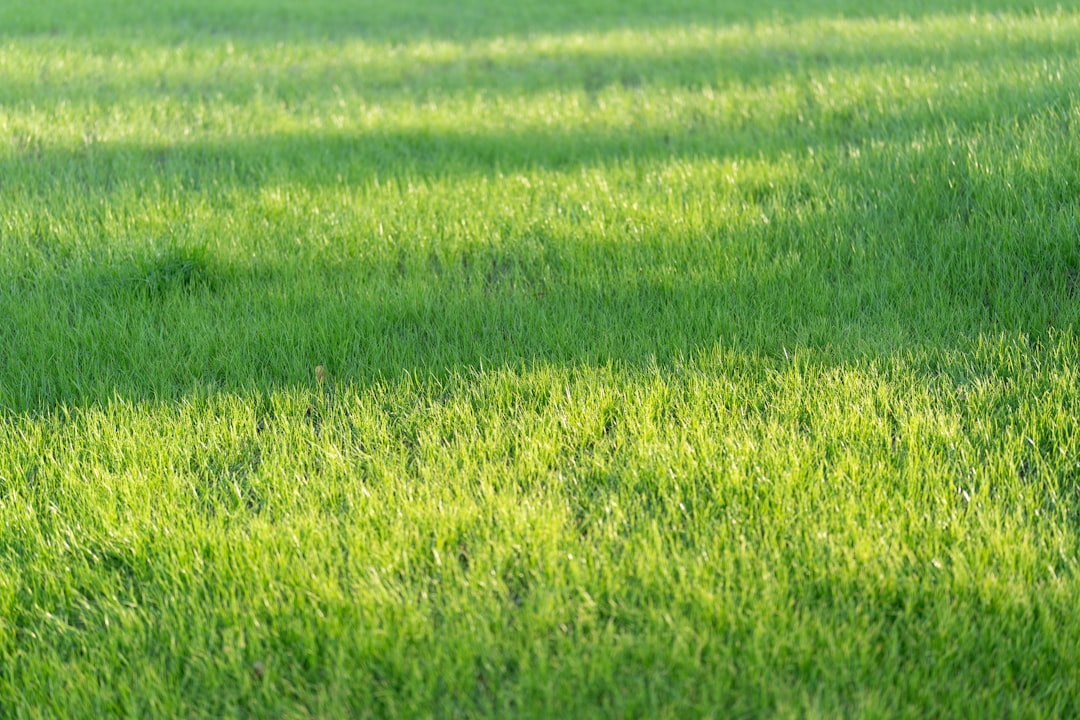
A lush, green lawn is the dream of many homeowners, but often, an unwelcome guest emerges: moss. This low-growing, spongy intruder can quickly spread, suffocating your grass and creating an unsightly patch. While commercial moss killers are readily available, many contain harsh chemicals that raise concerns for pets, children, and the environment. What if there was a simple, common household item that could effectively combat this pervasive problem? Believe it or not, ordinary dish soap holds a surprising secret to reclaiming your lawn. This article will guide you through understanding why moss thrives, how dish soap works its magic, and the practical steps to apply it for a healthier, moss-free turf, along with long-term prevention strategies.
Understanding the enemy: Why moss invades your lawn
Moss isn’t just an aesthetic nuisance; its presence is a symptom of underlying issues in your lawn’s health. Unlike grass, moss thrives in conditions that are detrimental to turf. The primary culprits behind a moss invasion include excessive shade, which starves grass of essential sunlight, and poor drainage, leading to consistently damp soil. Compacted soil, often a result of heavy foot traffic or machinery, restricts root growth and nutrient absorption for grass, while moss can still flourish. Furthermore, an acidic soil pH, typically below 6.0, creates an ideal environment for moss, whereas most lawn grasses prefer a more neutral pH. Nutrient deficiencies, particularly low iron or nitrogen, also weaken grass, allowing moss to take over. Mowing your lawn too short can also stress the grass, making it less competitive against invasive moss. Addressing these foundational problems is crucial, as simply killing the moss without correcting its favored growing conditions will only provide a temporary reprieve, setting the stage for its inevitable return.
The surprising science behind dish soap as a moss killer
The idea of using dish soap to eliminate moss might sound unconventional, but its effectiveness lies in its chemical properties. Dish soap acts as a surfactant, a compound that reduces the surface tension of a liquid. Moss, with its delicate structure, relies on a protective waxy cuticle to retain moisture. When a diluted dish soap solution is applied, the surfactant penetrates and breaks down this waxy layer. This disruption compromises the moss’s ability to hold water, leading to rapid dehydration. Essentially, the soap strips the moss of its natural defenses, causing it to dry out and turn brown, typically within a few hours to a day after application. For best results, it’s vital to choose a plain, biodegradable liquid dish soap. Avoid “ultra” concentrated formulas or those with added degreasers, bleach, or harsh chemicals, as these can potentially harm your lawn grass or beneficial soil microbes. Simple, eco-friendly options are often the most effective and safest for your yard and local environment.
Your step-by-step guide to applying dish soap for moss control
Effective application of dish soap requires a methodical approach to ensure success without damaging your lawn. Begin by preparing the area: lightly rake any loose, thick patches of moss to expose more of the underlying moss and soil. Mow your lawn to its regular height a day or two before application. Next, prepare your solution. A general guideline is to mix 2 to 4 ounces of liquid dish soap per gallon of water. For larger areas, a hose-end sprayer is convenient, allowing you to easily adjust the concentration. For smaller patches, a pump sprayer works well.
For optimal results, apply the solution evenly over the mossy areas on a dry day, ideally when no rain is expected for at least 24 hours. This allows the soap ample time to work its dehydrating magic. Aim for thorough coverage, ensuring the solution makes good contact with the moss. Within hours, you should observe the moss beginning to turn yellow, then brown, indicating it’s dying. After a few days, once the moss is completely dead and brittle, rake it out vigorously. This step is crucial for removing the dead organic matter and preparing the soil for future grass growth. Follow up by reseeding the bare patches with an appropriate grass seed mixture suitable for your lawn’s conditions, and consider a light topdressing with compost to further aid recovery.
| Moss Density | Dish Soap per Gallon of Water | Application Method |
|---|---|---|
| Light, scattered patches | 2 ounces | Pump sprayer |
| Moderate, spreading areas | 3 ounces | Pump or hose-end sprayer |
| Heavy, dense mats | 4 ounces | Pump or hose-end sprayer |
Beyond the soap: Long-term strategies for a moss-free lawn
While dish soap is an excellent immediate solution for killing existing moss, achieving a truly moss-free lawn requires addressing the underlying conditions that allowed it to flourish in the first place. The battle against moss is primarily a battle for healthier grass. Start by improving drainage; compacted soil can be relieved through aeration, which creates small holes to allow water, air, and nutrients to penetrate deeper. Amending heavy clay soils with organic matter like compost can also enhance drainage. If shade is an issue, consider judiciously pruning overhanging tree branches or shrubs to allow more sunlight to reach the lawn.
Soil pH is another critical factor. Conduct a soil test to determine your lawn’s pH level. If it’s too acidic (below 6.0), applying agricultural lime can help raise the pH to a more grass-friendly range. Ensure your lawn receives adequate nutrition through a balanced fertilization program tailored to its specific needs. Lastly, adjust your mowing habits. Mowing too short stresses grass and exposes the soil, creating an inviting environment for moss. Maintain a taller grass height, typically 2.5 to 3 inches, to shade out moss spores and promote stronger root development. By implementing these long-term strategies, you’ll not only eradicate moss but cultivate a robust, resilient lawn that naturally resists future invasions.
Killing lawn moss with dish soap offers an accessible, environmentally friendlier alternative to chemical treatments, providing a quick and effective way to tackle this common lawn nemesis. As we’ve explored, the humble surfactant in dish soap works by breaking down moss’s protective waxy layer, leading to swift dehydration and death. While its immediate effects are impressive, merely eradicating the visible moss is only part of the solution. The true victory lies in understanding and correcting the underlying conditions—such as excessive shade, poor drainage, compacted soil, and imbalanced pH—that invited the moss in the first place. By combining the immediate action of a dish soap application with thoughtful long-term lawn care strategies, including aeration, liming, proper fertilization, and strategic pruning, you can cultivate a vibrant, healthy lawn that naturally resists future moss invasions. Embrace these simple yet powerful methods, and enjoy the satisfaction of a resilient, lush green space you’ve worked to restore.
Image by: peng wang