The very idea of “apples that grow on a vine” often sparks curiosity, immediately conjuring images that defy conventional botanical wisdom. For generations, we’ve learned that crisp, sweet apples belong on sturdy trees, hanging from branches, not trailing along trellises or sprawling across the ground. This widespread understanding makes the concept of a vine-dwelling apple seem almost mythical. However, the world of botany and common nomenclature is far more nuanced and fascinating than a simple tree-or-vine dichotomy suggests. While true apples (members of the Malus domestica species) unequivocally grow on trees, there’s a compelling assortment of fruits that, due to their appearance, texture, or even regional naming conventions, are colloquially referred to as “vine apples.” This exploration will delve into these intriguing imposters, revealing their true identities, characteristics, and why they often earn their apple-like moniker despite their divergent botanical lineage.
The botanical truth: not all “apples” are created equal
To truly understand “apples that grow on a vine,” we must first clarify what a true apple is. Scientifically speaking, an apple is the fruit of the apple tree, Malus domestica, belonging to the rose family (Rosaceae). These fruits are characterized by their distinct core, containing seeds, and their development from the flower’s ovary and surrounding hypanthium. They are, without exception, tree-borne. The confusion arises from the fascinating human tendency to label new or unfamiliar fruits based on existing, well-known counterparts. When a fruit from a vine exhibits a roundish shape, a firm bite, or perhaps a sweet-tart flavor profile reminiscent of an apple, it’s not uncommon for it to acquire a local or informal designation as a “vine apple” or some variation thereof. These names, while botanically inaccurate, reflect a practical way for people to describe and identify produce, often leading to delightful discoveries for the curious gardener or consumer.
Unveiling the vine-grown imposters: cucurbits and more
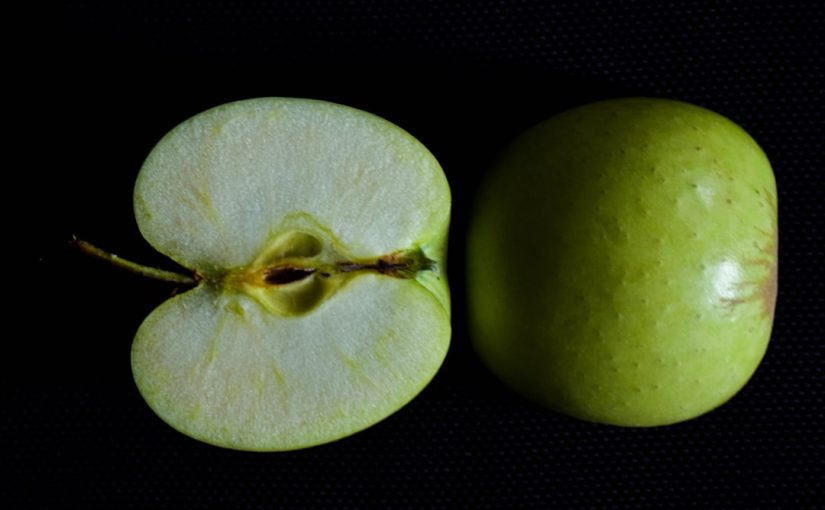
The majority of fruits commonly mistaken for “vine apples” or given similar monikers hail from the extensive Cucurbitaceae family, which includes squash, melons, and cucumbers. One prominent example is the Crystal Apple Cucumber, often simply called “Apple Cucumber.” This heirloom variety of cucumber produces pale green to creamy white, round fruits that undeniably resemble small apples. They grow on vigorous vines, offering a crisp, mild, and slightly sweet flavor distinct from typical elongated cucumbers, making them a popular choice for salads and fresh eating. Another intriguing member is the Kiwano, or horned melon (Cucumis metuliferus). While its spiky, orange exterior is far from apple-like, its internal green, gelatinous pulp has a unique sweet-tart taste that some compare to a blend of banana, lime, and cucumber, and its firm texture in certain stages can evoke a crisp fruit. It’s a true vine fruit, native to Africa. Then there’s the delightful Melothria scabra, often known as Mouse Melon or Cucamelon. These tiny, grape-sized fruits resemble miniature watermelons but taste like cucumbers with a sour kick. They are prolific on vines and, despite their size, contribute to the “vine apple” mystique due to their overall fruit-like appearance and growth habit. Even certain varieties of squash, like some small, ornamental gourds, can be cultivated on vines and bear a passing resemblance to apples in shape, further blurring the lines in casual observation.
Cultivating your own “vine apples”: a gardener’s guide
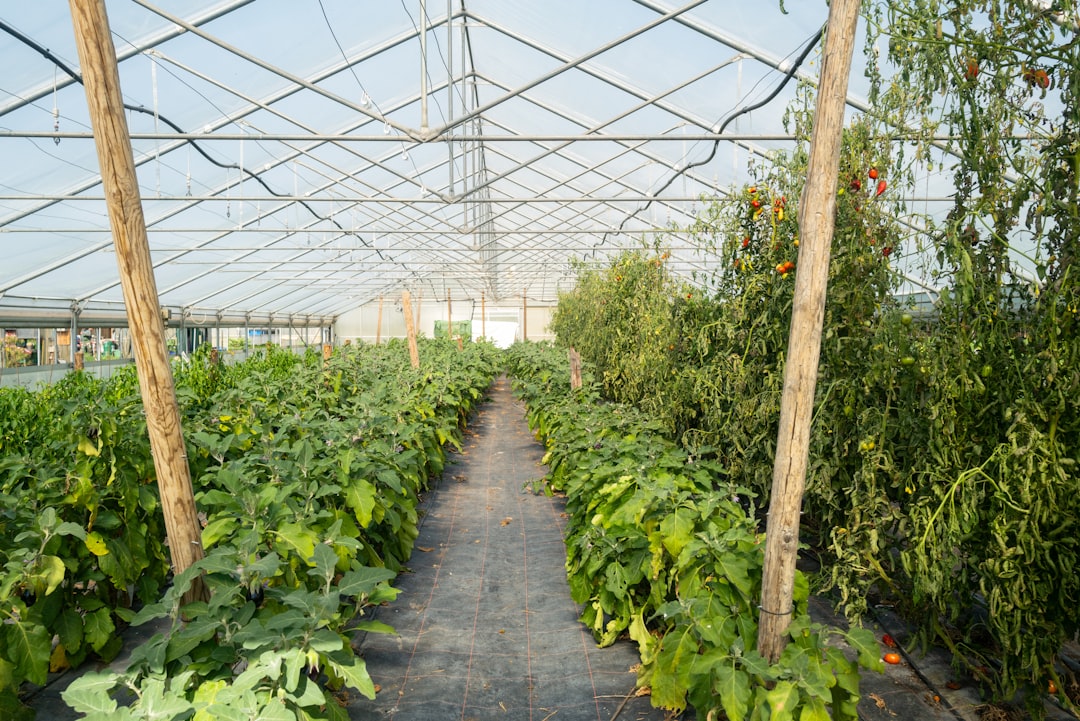
For those intrigued by these vine-grown wonders, cultivating them is a rewarding experience. Most of these “vine apple” substitutes thrive in conditions similar to their cucurbit relatives: full sun, well-draining, fertile soil, and consistent moisture. They are generally warm-season crops, requiring temperatures above 60°F (15°C) to flourish. Providing a sturdy trellis, netting, or cage is crucial, as their vigorous vines can grow quite long and their fruits, though not as heavy as tree apples, still benefit from support to prevent rot and optimize air circulation. Unlike true apple trees, which require years to mature and complex pruning, most vine-grown “apples” are annuals that produce fruit within a single growing season. Their relatively quick growth and high yield make them excellent choices for home gardens, especially where space for traditional fruit trees is limited. They also offer a unique aesthetic appeal, with their fruits hanging decoratively from the vines, adding a touch of the unexpected to any garden space. Here’s a brief comparison of some popular options:
| Common Name | Botanical Name | Typical Appearance | Flavor Profile | Growth Habit |
|---|---|---|---|---|
| Crystal Apple Cucumber | Cucumis sativus ‘Crystal Apple’ | Round, pale green/white | Mild, sweet, crisp cucumber | Vining (annual) |
| Kiwano (Horned Melon) | Cucumis metuliferus | Orange, spiky, oval | Sweet-tart, tropical (banana, lime) | Vining (annual) |
| Cucamelon (Mouse Melon) | Melothria scabra | Small, striped, grape-sized | Sour cucumber/lime | Vining (annual) |
| Chayote | Sechium edule | Pear-shaped, light green | Mild, squash-like (cucumber/apple texture) | Vining (perennial in warm climates) |
Embracing botanical diversity
While the notion of “apples that grow on a vine” might initially seem like a botanical oxymoron, it serves as a wonderful entry point into the diverse and often surprising world of fruits and vegetables. We’ve seen that true apples are tree-borne, but numerous vine-dwelling plants produce fruits that, whether through their shape, texture, or local appellations, earn the informal title of “vine apples.” From the crispness of the Crystal Apple Cucumber to the exotic tang of the Kiwano, and the delightful miniature Cucamelon, these plants offer gardeners and gourmands alike a chance to explore beyond the conventional. Understanding their true botanical identities enriches our appreciation for the natural world’s ingenuity, reminding us that common names can be charmingly misleading. Ultimately, embracing these unique vine fruits broadens our culinary horizons and adds a touch of the extraordinary to our gardens, proving that sometimes, the most intriguing “apples” don’t grow on trees at all.
Image by: Yaya The Creator