The intricate world beneath our feet, largely unseen, plays a fundamental role in sustaining life on Earth. Among the diverse root systems that anchor plants and draw sustenance from the soil, fibrous roots stand out for their extensive, web-like network. Unlike the single, dominant taproot found in many plants, fibrous root systems consist of numerous slender roots of roughly equal size that spread out laterally, often close to the soil surface. This unique architecture is crucial for a vast array of plant species, influencing everything from their stability in the ground to their efficiency in absorbing water and nutrients. Understanding which plants exhibit this root type offers insights into agricultural practices, ecological balance, and even home gardening strategies. This article will explore various examples of plants characterized by their remarkable fibrous root systems.
Understanding fibrous root systems
Fibrous root systems are defined by a dense, branching network of roots that originate from the base of the stem and spread outwards, often lacking a single, prominent main root. Instead, they comprise many adventitious roots—roots that develop from plant parts other than the primary root. These roots are typically thin, somewhat uniform in thickness, and can extend significantly horizontally rather than delving deep vertically. This shallow, extensive spread is a key characteristic that dictates their primary functions and the types of environments where such plants thrive.
The main purpose of a fibrous root system is twofold: efficient absorption of water and nutrients from the upper layers of the soil, and robust soil stabilization. Because these roots form a dense mat close to the surface, they are incredibly effective at capturing rainfall and dissolved minerals before they can leach away to deeper soil profiles. This makes plants with fibrous roots particularly well-suited for environments where topsoil nutrients are abundant but deeper water might be scarce, or where surface erosion is a concern. Their interwoven nature acts like a natural net, binding soil particles together and preventing soil loss from wind and water.
To better illustrate the distinction, consider the fundamental differences between fibrous roots and taproots:
| Feature | Fibrous roots | Taproots |
|---|---|---|
| Primary structure | Dense network of thin roots | Single, dominant main root with smaller lateral branches |
| Depth | Shallow, spread horizontally | Deep, vertically oriented |
| Anchoring | Excellent surface soil stabilization | Strong deep anchorage, more resistant to strong winds for taller plants |
| Water/nutrient absorption | Efficient in upper soil layers | Accesses deeper water and nutrients |
| Examples | Grasses, corn, wheat, onions, rice | Carrots, dandelions, oak trees, beets |
This structural difference has profound implications for plant growth, ecological roles, and agricultural practices.
Grasses and cereal crops
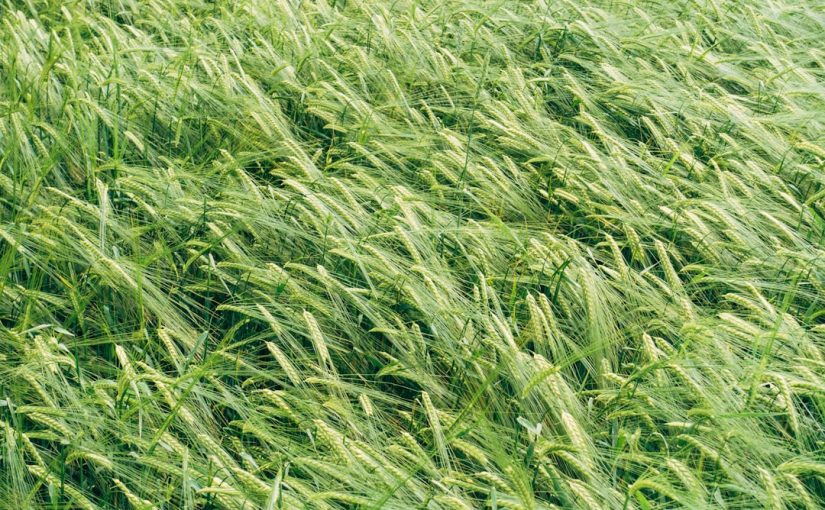
Perhaps the most quintessential examples of plants with fibrous root systems are the grasses, including the vast array of cereal crops that feed the world. These plants almost universally exhibit this root structure, which is a major factor in their success and widespread cultivation.
Wheat, rice, corn (maize), barley, oats, and rye—all members of the Poaceae family (grasses)—rely heavily on their fibrous roots. For instance, a corn plant can develop a massive fibrous root system, with thousands of individual roots extending several feet horizontally and penetrating to depths of a few feet, though most of its activity is concentrated in the top foot of soil. This allows corn to efficiently absorb nutrients from fertilizers applied to the surface. Similarly, rice, particularly paddy rice grown in flooded conditions, has a highly developed fibrous root system adapted to its unique environment, providing stability in soft mud and facilitating nutrient uptake.
Beyond cultivated cereals, the countless species of lawn grasses and pasture grasses also possess fibrous roots. Think of the turf on a sports field or a residential lawn; the dense, interwoven roots of species like Kentucky bluegrass, fescue, and ryegrass form a tough, resilient mat that resists tearing and helps prevent soil erosion, even on slopes. This characteristic makes grasses invaluable for landscaping, ground cover, and erosion control measures, securing topsoil against the erosive forces of rain and wind.
The extensive, shallow reach of these root systems enables grasses to quickly establish themselves and outcompete deeper-rooted plants for surface water and nutrients, contributing to their dominance in many ecosystems worldwide.
Other notable plants with fibrous roots
While grasses are the most prominent, many other plant families and species also exhibit fibrous root systems, demonstrating the evolutionary advantages of this structure in various ecological niches and for diverse functions.
Many ornamental plants, especially those used in perennial borders or ground covers, fall into this category. For example, most species of daylilies (Hemerocallis) develop a robust fibrous root system that helps them form dense clumps and spread effectively, making them popular for low-maintenance landscaping. Similarly, irises, particularly bearded irises, have rhizomes (modified stems) from which numerous fibrous roots emerge, aiding in their horizontal spread and firm anchoring.
Certain vegetables also rely on fibrous roots for their growth and stability. Onions, garlic, and leeks, all members of the allium family, produce fibrous root systems beneath their bulbs or pseudostems. These roots are relatively shallow but very efficient at absorbing the necessary water and nutrients to develop their fleshy, edible storage organs. Another example is lettuce, which, as a leafy green, benefits from a fibrous root system that allows for rapid water and nutrient uptake to support its quick growth cycle.
Even some larger plants or shrubs can have predominantly fibrous roots, especially those that spread clonally or are adapted to wet, shallow soil conditions. Bamboo, with its vigorous spreading rhizomes, develops an extensive network of fibrous roots that allows it to colonize large areas and stabilize riverbanks, albeit sometimes invasively.
This diversity underscores that fibrous roots are not exclusive to one type of plant but are a successful adaptation across a broad spectrum of the plant kingdom, proving their versatility in numerous environments and agricultural applications.
Ecological advantages and practical applications
The prevalence of fibrous root systems across so many plant species is a testament to their significant ecological advantages and practical applications in human endeavors. Their structural characteristics offer a suite of benefits that contribute to both natural ecosystem health and sustainable agricultural practices.
One of the most critical ecological roles of fibrous roots is their unparalleled ability to prevent soil erosion. By forming a dense, interwoven mat in the upper soil layers, these roots act as a natural binder, holding soil particles together against the forces of wind and water. This is why grasslands and areas covered with ground-spreading plants are far less susceptible to erosion than bare soil or areas dominated by tap-rooted plants with less surface coverage. This makes fibrous-rooted plants indispensable for stabilizing slopes, riverbanks, and coastal dunes, protecting valuable topsoil and maintaining landscape integrity.
Furthermore, fibrous root systems significantly improve soil structure. As the fine roots grow and die, they add organic matter to the soil, enhancing its aggregation and creating pathways for air and water. This increased porosity improves drainage in heavy soils and water retention in sandy soils, fostering a healthier microbial community and overall soil fertility. This makes cover crops, many of which have fibrous roots (like various grasses and clovers), a vital tool in regenerative agriculture to build soil health.
In terms of practical applications, the ease of transplanting many fibrous-rooted plants is a major advantage for horticulture and landscaping. Because their root system is spread out rather than deep, they suffer less shock when moved, making them ideal for nurseries and garden centers. They are also excellent choices for turf management, providing durable surfaces for recreation and aesthetically pleasing ground cover. Their efficiency in absorbing nutrients from the topsoil also means they respond well to surface-applied fertilizers, a common practice in gardening and farming.
The prevalence and diversity of plants exhibiting fibrous root systems highlight their profound importance in both natural and managed ecosystems. From the foundational cereal crops that sustain human populations to the turf grasses that beautify our landscapes and the myriad wild species that stabilize our soils, fibrous roots are a testament to efficient plant design. These extensive, shallow networks offer superior soil stabilization, preventing erosion and enriching soil structure, while also ensuring effective nutrient and water uptake from the crucial upper layers of the soil. Their adaptability across a wide range of environments, from wetlands to prairies, underscores their ecological success. By understanding and appreciating the unique qualities of plants with fibrous roots, we can make more informed decisions in agriculture, conservation, and gardening, harnessing their power to foster healthier soils and more resilient plant communities for the future.
Image by: Markus Winkler