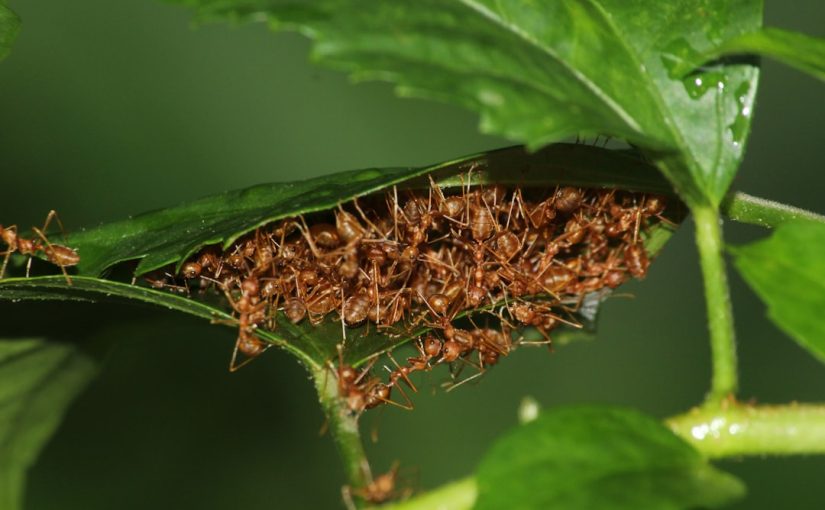
Observing a concentrated mass of black ants seemingly congregating in a single spot can be a puzzling, even unsettling, sight for many homeowners and nature enthusiasts alike. This behavior, far from being random, is a fascinating display of sophisticated insect communication and social organization. Black ants, common inhabitants of our gardens and homes, swarm for a variety of critical reasons, each linked to their survival, reproduction, or colony well-being. Understanding why these tiny insects gather in such numbers can demystify their actions, offering insights into their complex world and sometimes even signaling important environmental shifts. From urgent colony movements to essential reproductive rituals, these swarms are purposeful manifestations of ant life cycles and survival strategies.
The mating ritual of winged alates
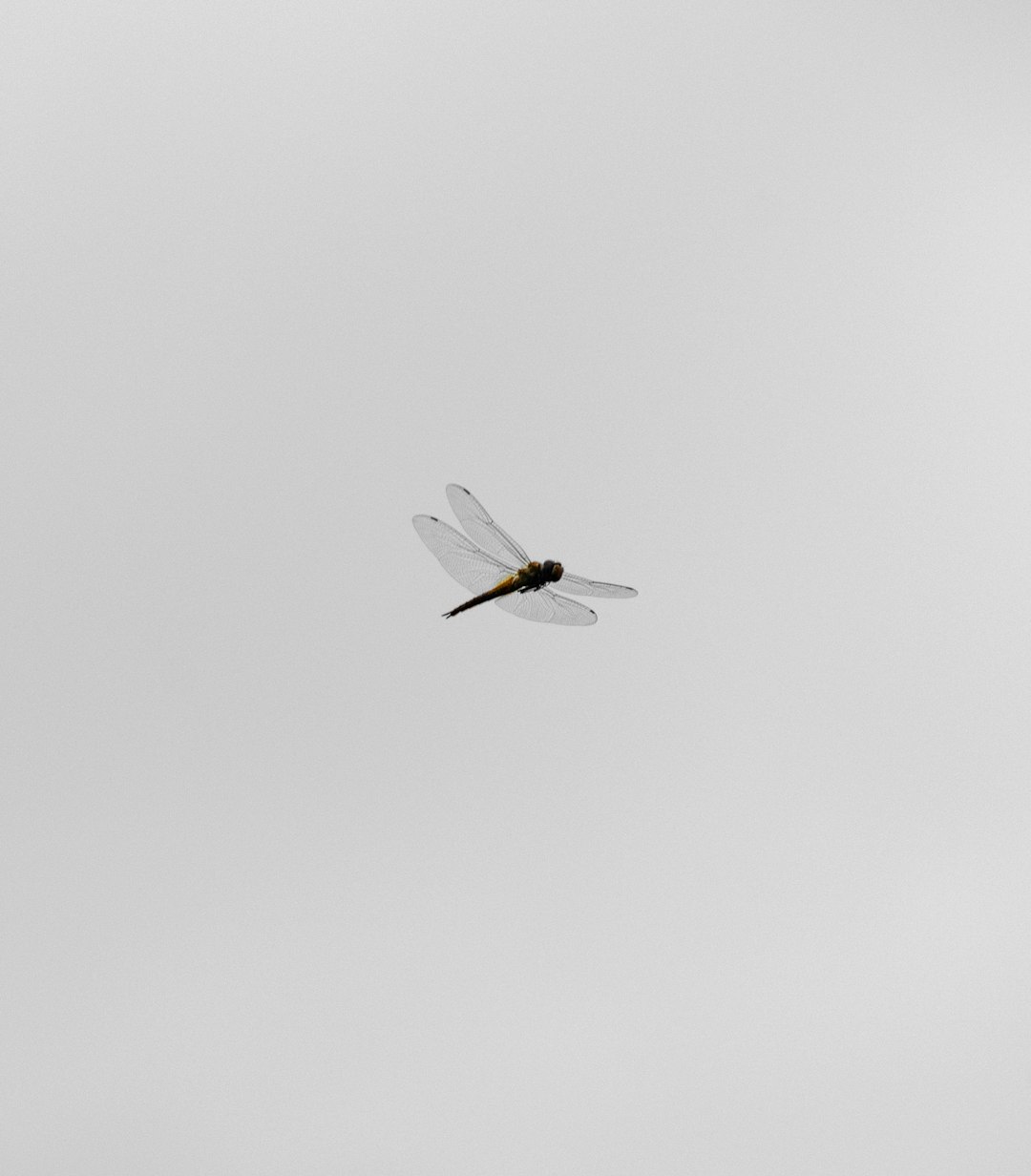
One of the most dramatic and widely recognized reasons for black ants to swarm in one spot is their annual mating ritual, often referred to as a “nuptial flight.” These swarms are comprised of reproductive ants called alates – winged virgin queens and males. Unlike the worker ants you typically see foraging, alates are specifically bred for reproduction and possess wings for this very purpose. When environmental conditions are just right, usually after a period of rain which increases humidity and softens the soil for new nest excavation, thousands of alates from multiple colonies will emerge simultaneously.
They gather in large aerial swarms, often concentrated around prominent landmarks, to find mates. The males’ primary purpose is to mate with as many queens as possible before dying shortly after. The virgin queens, on the other hand, will mate, shed their wings, and then seek out a suitable location to establish a new colony, becoming the sole founder of a new ant empire. This synchronized swarming ensures genetic diversity across colonies and maximizes the chances of successful reproduction for a species. For common black ant species like the pavement ant (Tetramorium caespitum) or the odorous house ant (Tapinoma sessile), these mating flights are a crucial phase in their life cycle, occurring typically during warmer months.
Discovering abundant food sources
Another compelling reason for black ants to swarm in a particular area is the discovery of a highly desirable or abundant food source. Ants are renowned for their efficient foraging strategies and sophisticated chemical communication. When a scout ant locates a significant food find – be it spilled sugar, a dead insect, an unattended pet food bowl, or even the honeydew secreted by aphids on a plant – it doesn’t keep it a secret. Instead, it lays down a pheromone trail as it returns to the nest.
This chemical scent acts as a beacon, guiding other worker ants to the food. The more ants that follow the trail and return with food, the stronger the pheromone signal becomes, creating a positive feedback loop. This leads to an exponential increase in ant traffic to that specific spot, resulting in what appears to be a “swarm.” The ants aren’t randomly moving; they are meticulously working to transport resources back to the colony, optimizing their efforts around a concentrated area of sustenance. This swarming behavior is a testament to their social intelligence and their ability to efficiently exploit temporary opportunities for the benefit of the entire colony.
Colony relocation and emergency responses
Ants may also swarm in one spot as part of a strategic colony relocation or in response to an urgent threat. Colonies are not static entities; they often need to move to new locations due to various pressures. Reasons for relocation can include the destruction of their current nest (e.g., by human activity, heavy rain, or predators), overcrowding within the existing nest, or the search for more favorable environmental conditions like better shelter or a more stable temperature and humidity.
When a colony decides to move, worker ants will scout for potential new nest sites. Once a suitable location is found, a mass emigration begins, sometimes involving thousands of ants moving in a highly organized but seemingly chaotic stream. This “swarm” might represent a temporary aggregation point where ants gather before the final move, or it could be the entire colony moving through a constricted pathway. Furthermore, if a colony is under attack or its queen is threatened, ants will often swarm defensively around the danger, attempting to overwhelm or repel the intruder. This protective swarming is a collective effort to safeguard the heart of their colony – the queen and brood – ensuring the continued survival of their society.
The table below outlines common triggers for ant swarming and the typical behaviors observed:
| Swarm Type | Primary Trigger | Observed Behavior | Ants Involved |
| Mating Swarm | Specific weather (warm, humid, post-rain) | Aerial flights, mating pairs, shed wings | Winged alates (males & virgin queens) |
| Foraging Aggregation | Discovery of abundant food source | Dense trails, congregation around food | Worker ants |
| Colony Relocation | Nest damage, overcrowding, environmental stress | Mass movement of colony members, brood transport | Workers, queen, larvae, pupae |
| Defensive Swarm | Threat to nest or queen | Aggressive behavior, biting, stinging (if applicable) | Worker ants (soldiers in some species) |
Environmental triggers and localized conditions
Environmental factors play a crucial role in influencing ant behavior, often triggering swarming in response to localized conditions. Changes in temperature, humidity, and light levels can significantly impact when and where ants decide to congregate. For instance, nuptial flights are often triggered by specific weather patterns, such as warm, humid days following rainfall, which provide optimal conditions for alates to emerge and successfully establish new nests.
Beyond reproductive purposes, ants may also swarm in response to less ideal conditions. If a nest becomes flooded due to heavy rain, ants will rapidly evacuate, often forming temporary aggregations in higher, drier spots to protect the queen and brood. Similarly, extreme heat or cold can cause ants to move to more temperature-stable microclimates, leading to temporary swarms as they seek refuge. These localized aggregations are not always about a grand purpose but are often pragmatic responses to immediate environmental challenges, demonstrating the ants’ remarkable adaptability and their ability to rapidly organize for collective survival in dynamic conditions.
The phenomenon of black ants swarming in one spot is a testament to the intricate and highly organized nature of ant colonies. We’ve explored how these aggregations can signify critical life stages, such as the crucial mating rituals of winged alates, where future queens embark on their quest to establish new colonies. We also delved into the efficiency of ant foraging, highlighting how a rich food source can trigger a massive, coordinated effort to provision the colony. Moreover, we examined the survival instincts driving colony relocation in response to threats or unfavorable conditions, as well as their defensive swarms. Each instance of swarming, therefore, serves a vital purpose, from ensuring reproductive success and securing sustenance to safeguarding the colony’s very existence. Understanding these behaviors not only provides a fascinating glimpse into the insect world but also equips us with knowledge to better coexist with these ubiquitous creatures in our shared environments.
Image by: Dibakar Roy