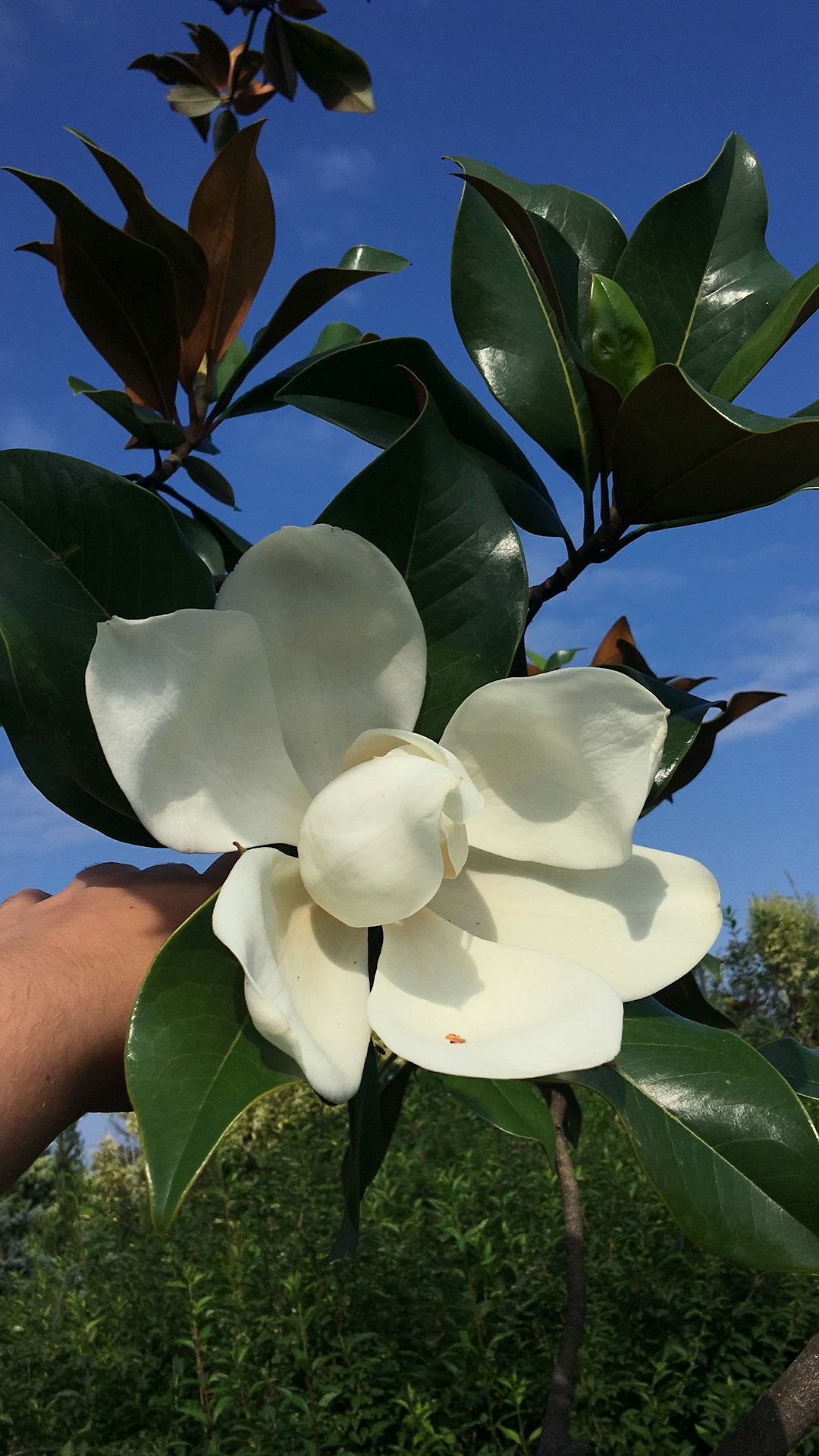
Plumeria, with their intoxicating fragrance and stunning tropical blooms, are a beloved addition to gardens and patios worldwide. While many focus on adequate sunlight and proper watering techniques, the true foundation of a healthy, floriferous plumeria lies beneath the surface – in its potting soil. Choosing the right growing medium is absolutely paramount for these magnificent plants, as an improper soil blend can quickly lead to root rot, nutrient deficiencies, and a distinct lack of those cherished flowers. This article will delve deeply into the specific requirements of plumeria roots, guiding you through the essential characteristics and components of the best potting soil to ensure your plumeria not only survives but truly thrives, bringing vibrant beauty and delightful fragrance to your space for many seasons to come.
Understanding plumeria’s unique soil needs
To truly understand what constitutes the best potting soil for plumeria, we must first consider their natural habitat. Originating from tropical and subtropical regions, plumeria typically grow in areas with well-draining, often sandy or rocky soil. This crucial environmental context tells us a great deal about what their roots require to flourish. Unlike many common houseplants that appreciate consistently moist soil, plumeria roots are highly susceptible to rot when exposed to prolonged periods of wetness. Therefore, the absolute cornerstone of any plumeria potting mix must be excellent drainage and superior aeration.
Standard, all-purpose potting soils, while convenient, are generally too dense and retain too much moisture for plumeria. These mixes often contain a high percentage of peat moss without sufficient amendments to break up the compaction, leading to a waterlogged environment that starves the roots of oxygen. This lack of oxygen is a primary precursor to fungal diseases and root rot, which can quickly devastate a plumeria plant. An ideal mix for plumeria should allow water to pass through swiftly, while still retaining enough moisture and nutrients to support healthy growth without ever becoming soggy.
Essential components for an optimal mix
Crafting the perfect environment for your plumeria involves combining several key ingredients, each playing a vital role in creating the ideal balance of drainage, aeration, and moderate moisture retention. Here are the components you’ll want to consider:
- Perlite or Pumice: These lightweight, porous materials are indispensable for improving drainage and aeration. They create air pockets within the soil, preventing compaction and allowing roots to breathe. Pumice is generally heavier and less prone to floating to the top during watering than perlite, offering good stability.
- Coarse sand or Horticultural grit: Adding coarse sand, such as builder’s sand (never play sand), or horticultural grit further enhances drainage and provides essential weight to prevent top-heavy plumeria from toppling over. It helps break up denser components and ensures rapid water percolation.
- Coco coir or Peat moss: While the primary goal is drainage, some moisture retention is necessary. Coco coir is an excellent choice as it retains moisture without becoming waterlogged and offers good aeration. Peat moss can also be used, but it tends to be more acidic and can compact more easily, so use it sparingly and ensure other amendments are plentiful.
- Pine bark fines or Orchid bark: This is often considered a star ingredient for plumeria. Bark fines decompose slowly, providing a steady release of nutrients, and most importantly, they significantly improve drainage and aeration. They mimic the organic matter found in plumeria’s natural forest floor environment.
- Compost or Worm castings: A small amount of well-aged compost or worm castings can provide a slow-release source of nutrients and beneficial microbes, enriching the soil without making it too heavy.
Crafting your own plumeria potting mix
While commercial “cactus and succulent” mixes can be a starting point, they often require further amendment to truly meet plumeria’s specific needs. Creating your own blend allows for precise control over the soil characteristics. Here’s a popular and highly effective DIY recipe:
Basic plumeria potting mix recipe
This ratio provides excellent drainage and aeration, suitable for most climates:
- 1 part high-quality potting soil (lightweight, not heavy garden soil)
- 1 part pine bark fines (or orchid bark)
- 1 part perlite or pumice
- 1/2 part coarse sand or horticultural grit
For those in very humid climates or who tend to be heavy waterers, you might increase the perlite/pumice and coarse sand slightly. Conversely, in very hot, dry climates, you might slightly increase the potting soil or coco coir component to retain a bit more moisture.
Below is a table illustrating the benefits of key components:
| Component | Primary Benefit for Plumeria | Additional Notes |
|---|---|---|
| Pine Bark Fines | Excellent drainage, aeration, slow-release nutrients | Mimics natural habitat, preferred over peat for structure |
| Perlite/Pumice | Superior aeration, prevents compaction, lightweight | Pumice offers more stability and less floatation |
| Coarse Sand/Grit | Enhanced drainage, stability, weight | Use only horticultural or builder’s sand, not play sand |
| Coco Coir | Moisture retention without waterlogging, good aeration | Sustainable alternative to peat moss, pH neutral |
| Potting Soil (lightweight) | Basic structure, some nutrient base | Choose a well-draining brand, not heavy garden soil |
Beyond the mix: complementary considerations
While the soil mix is paramount, other factors work in conjunction with it to ensure your plumeria thrives:
- Potting container: Always choose pots with ample drainage holes. Plumeria detest sitting in standing water. Terra cotta pots are often favored as they are porous and allow for some evaporation through the sides, further aiding in aeration and preventing root rot. Plastic pots can work, but require more careful watering. Ensure the pot size is appropriate for the root ball, avoiding oversized pots which can hold too much soil and moisture.
- Watering practices: The ideal soil mix will dictate your watering frequency. With a fast-draining mix, you’ll likely need to water more frequently than if you were using standard potting soil, especially during the active growing season. Always allow the top few inches of soil to dry out completely before watering again. Stick your finger into the soil to check moisture levels, rather than relying solely on visual cues.
- Fertilization: Even the best soil mix will eventually deplete its nutrients. A well-draining soil provides the perfect foundation for effective fertilization. Use a balanced, low-nitrogen fertilizer during the growing season, or a specialized plumeria or bloom-booster fertilizer to encourage those magnificent flowers.
In essence, providing the best potting soil for your plumeria boils down to prioritizing superior drainage, excellent aeration, and a balanced approach to moisture retention. Steer clear of dense, water-retentive mixes that suffocate roots and encourage disease, as these are the quickest paths to a struggling plant. By understanding the critical roles of components like pine bark fines, perlite, pumice, coco coir, and coarse sand, you are empowered to craft a custom blend that perfectly mimics their natural, well-drained tropical habitats. Remember, the right soil isn’t merely a medium; it’s a dynamic life support system that directly dictates your plant’s ability to absorb essential nutrients, resist disease, and ultimately, produce those spectacular, fragrant blooms we all adore. Invest wisely in your plumeria’s foundation, and it will undoubtedly reward you with unparalleled tropical splendor year after year.
Image by: Jonathan Sanchez