The sight of mushrooms sprouting across your lawn can evoke a mix of curiosity and concern. These fascinating, often ephemeral, growths seem to appear overnight, transforming an otherwise pristine green space into a miniature forest floor. For many homeowners, especially those with pets or young children, the immediate question that arises is: are these lawn toadstools poisonous? It’s a valid and critical inquiry, given the diverse array of fungi that can populate a yard. While some mushrooms are harmless, and a select few even edible for experts, a significant number pose serious health risks if ingested. Understanding the nature of these mysterious lawn inhabitants, and more importantly, how to approach them safely, is paramount for ensuring the well-being of your family and furry companions.
The diverse world of lawn fungi
What we commonly refer to as “lawn toadstools” are in fact the visible fruiting bodies of a much larger, hidden organism – a fungus. The vast majority of a fungus’s life cycle occurs beneath the soil, as a network of thread-like structures called mycelium. These mycelial networks play crucial ecological roles, primarily as decomposers, breaking down organic matter like decaying leaves, wood, and even grass roots, returning vital nutrients to the soil. Others form symbiotic relationships with plant roots, known as mycorrhizae, exchanging nutrients beneficial to both organisms.
The appearance of a mushroom indicates that the underground mycelium has accumulated enough resources and that environmental conditions, such as adequate moisture and temperature, are favorable for reproduction. Lawn environments, with their constant supply of organic matter (thatch, old roots, fallen leaves) and regular watering, are often ideal habitats for many fungal species. The sheer diversity is astonishing, with thousands of different fungi capable of producing fruiting bodies in grassy areas, ranging from tiny, inconspicuous caps to large, dramatic specimens. It’s this enormous variety that makes blanket statements about their edibility or toxicity so problematic.
Identifying the danger: common toxic characteristics
Attempting to identify every mushroom species found in a lawn would be an exhaustive and often futile task for a non-expert, and crucially, it can be extremely dangerous. Many poisonous mushrooms closely resemble edible ones, leading to tragic misidentifications. Instead of focusing on specific names, it’s safer to understand general characteristics that *often* indicate danger, and more importantly, to adopt a universal rule of caution.
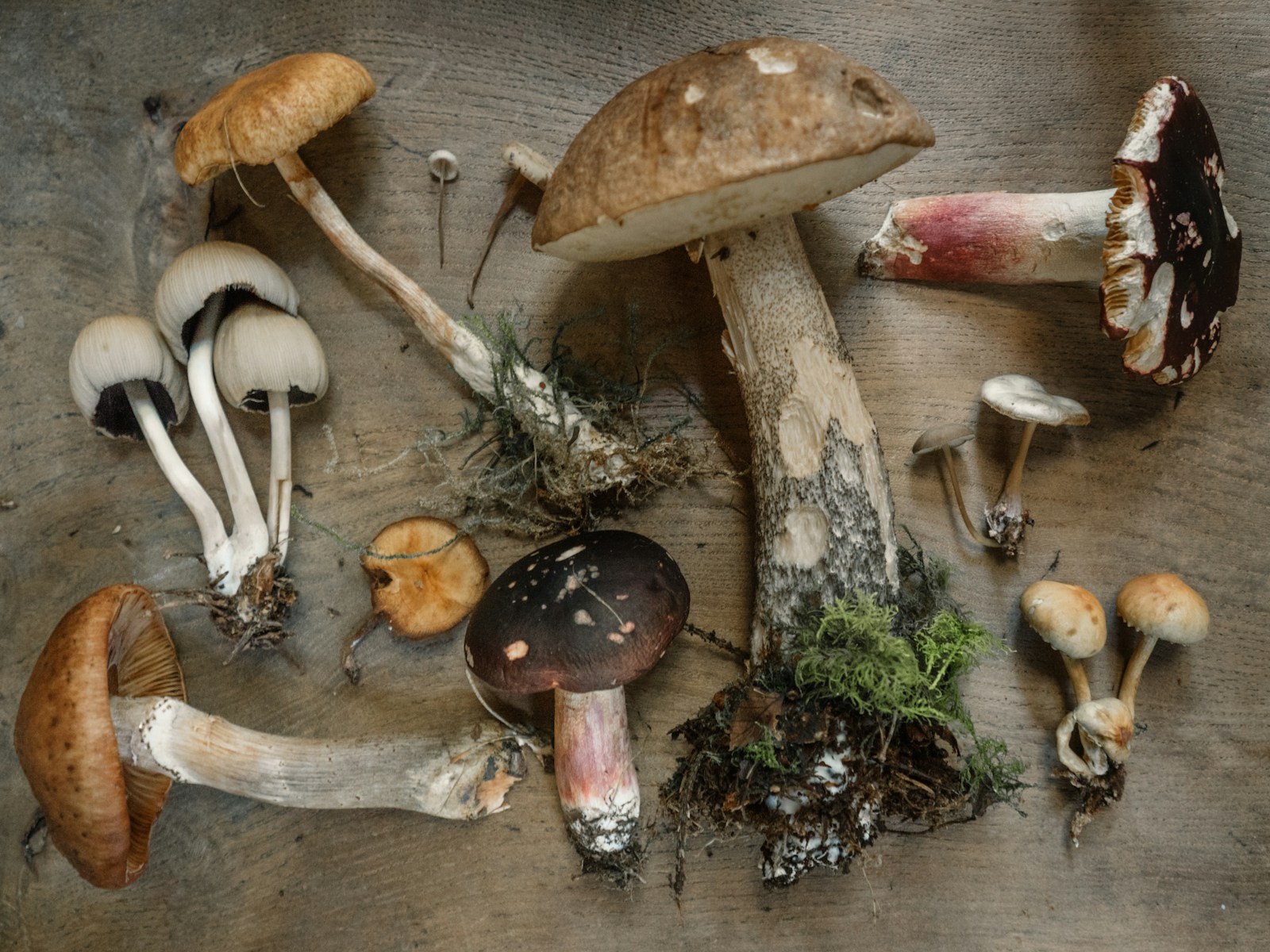
- Little brown mushrooms (LBMs): This group is notoriously difficult to identify, even for mycologists, and includes several highly toxic species, such as members of the Galerina genus, which contain deadly amatoxins. They are typically small, brown or tan, and can be found singly or in clusters.
- White-gilled mushrooms with a ring and volva: This combination of features, particularly the presence of a sac-like cup (volva) at the base of the stem and a skirt-like ring (annulus) on the upper stem, is characteristic of some of the deadliest mushrooms in the world, including the infamous Amanita species like the Death Cap (Amanita phalloides) and Destroying Angel (Amanita virosa). While not all Amanita species have all these features, their presence is a huge red flag.
- Mushrooms that bruise blue: While some edible boletes and psilocybin-containing mushrooms bruise blue, this is also a characteristic of certain toxic species. Bruising blue alone is not a reliable indicator of edibility and should be approached with extreme caution.
- Red or orange caps with white spots: Iconic, but often toxic. The Fly Agaric (Amanita muscaria) is a well-known example. While rarely fatal to healthy adults, it causes significant gastrointestinal distress and neurological symptoms.
The most important takeaway is that no single visual characteristic guarantees a mushroom is safe or dangerous. The only truly safe approach for a non-expert is to assume that any wild mushroom is potentially poisonous.
The critical need for accurate identification
The consequences of consuming poisonous mushrooms range from mild gastrointestinal upset to severe organ damage and even death. The insidious nature of some toxins means that symptoms may not appear for several hours, or even days, after ingestion, by which time significant internal damage may have occurred. For example, amatoxins, found in Amanita species, initially cause severe gastrointestinal distress, followed by a deceptive period of remission, before liver and kidney failure sets in.
Due to this severe risk, accurate identification is not just important – it’s life-saving. However, identifying mushrooms correctly requires extensive knowledge of mycology, including microscopic features, spore prints, and habitat specifics that go far beyond a simple field guide. Even experienced foragers rely on multiple identification points and often consult with experts.
In case of suspected mushroom poisoning, immediate medical attention is crucial. Being able to provide a sample of the ingested mushroom, or even a clear photograph, can greatly assist medical professionals and mycologists in identifying the species and guiding treatment. Here’s a general overview of potential symptoms:
| Symptom Category | Typical Onset | Examples of Symptoms |
|---|---|---|
| Gastrointestinal | 15 minutes to 6 hours | Nausea, vomiting, diarrhea, abdominal cramps |
| Neurological | 30 minutes to 6 hours | Dizziness, confusion, hallucinations, seizures, coma |
| Hepatotoxicity (Liver) | 6 to 24 hours (delayed) | Jaundice, dark urine, liver failure, often preceded by initial GI upset |
| Nephrotoxicity (Kidney) | Days after ingestion | Kidney failure, reduced urine output |
Proactive measures for a safer lawn
Given the dangers, the best approach is always prevention and caution. If you have children, pets, or livestock that frequent your lawn, it is highly advisable to remove any mushrooms as soon as they appear. Always wear gloves when handling unknown fungi, as some toxins can be absorbed through the skin, though this is rare for most common lawn species. Dispose of them in a sealed bag in the trash, away from reach.
While physically removing the fruiting bodies prevents direct ingestion, it’s important to understand that this does not kill the underlying mycelium. The fungus will likely produce more mushrooms if conditions remain favorable. To potentially reduce their appearance, you can address the conditions that encourage fungal growth:
- Improve drainage and aeration: Fungi thrive in moist, compacted soil. Aerating your lawn and improving drainage can reduce favorable conditions.
- Reduce organic matter: Remove excessive thatch (a layer of dead grass between the soil and green blades) and fallen leaves regularly, as these are primary food sources for decomposer fungi.
- Address buried wood or roots: If mushrooms consistently appear in a specific spot, there might be a decaying tree stump or roots buried beneath the surface, which the fungi are breaking down. Removing these can eliminate a food source.
Ultimately, a completely mushroom-free lawn is an unrealistic expectation, as fungi are a natural and beneficial part of a healthy ecosystem. The goal is to manage the risk through awareness and proactive safety measures.
In conclusion, the question “are lawn toadstools poisonous?” is best answered with a resounding “assume yes” if you are not a trained mycologist. The vast diversity of fungi means that identifying edible species from deadly ones is a task for experts, not casual observation. From the often-tricky little brown mushrooms to the deadly Amanita species, the risks associated with misidentification are simply too high to gamble with. Always err on the side of extreme caution: educate yourself and your family about the dangers, keep children and pets away from all wild mushrooms, and remove any fungi that appear in your yard promptly and safely. If ingestion is suspected, seek immediate medical attention, providing as much information as possible about the mushroom. Your vigilance is the most effective tool in protecting the health and safety of everyone who enjoys your outdoor space.