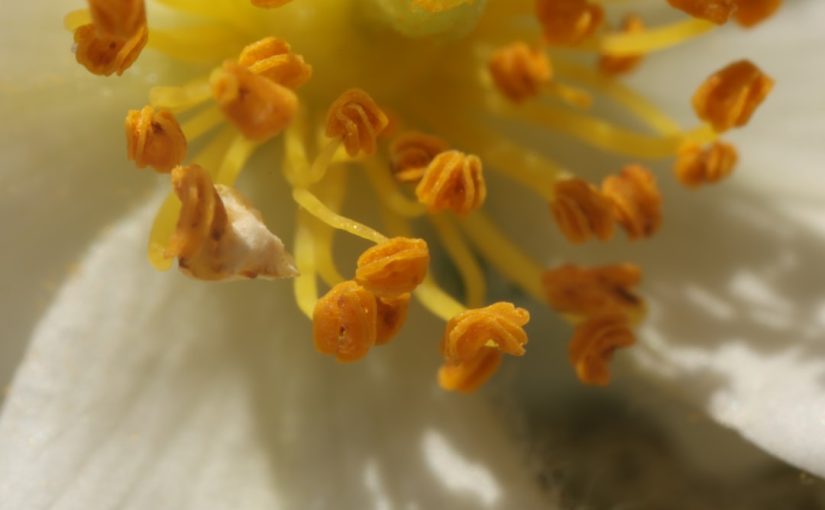
What types of chrysanthemums are edible?
Chrysanthemums, often celebrated for their vibrant autumn blooms and intricate petal formations, are a staple in many ornamental gardens and floral arrangements. However, these beautiful flowers hold a secret for many Western gardeners: certain varieties are not just pretty to look at, but also delightful to eat. For centuries, various types of chrysanthemums have been a cherished culinary ingredient and traditional medicine, particularly across Asia. Delving into the world of edible chrysanthemums reveals a fascinating intersection of horticulture, gastronomy, and health benefits, offering unique flavors and textures to adventurous palates. Understanding which specific types are safe and suitable for consumption is key to unlocking their full potential in your kitchen.
Beyond the ornamental: A brief history of edible chrysanthemums
While Western cultures primarily appreciate chrysanthemums for their decorative appeal, their edible and medicinal history in East Asia stretches back thousands of years. Originating in China, where they are known as “Ju Hua,” chrysanthemums were cultivated not just for beauty but also for their health properties and use in teas and dishes. Ancient texts describe their use for everything from treating headaches to promoting longevity. This rich heritage spread to Japan, Korea, and other Southeast Asian countries, where specific varieties became integrated into daily cuisine. These culinary chrysanthemums are distinct from the highly hybridized ornamental varieties often found in garden centers today, which are typically bred for petal density and color, not flavor or food safety. The focus has always been on selecting types that offer pleasant flavors, beneficial compounds, and suitability for consumption.
Identifying common edible varieties: Shungiku and its relatives
When it comes to edible chrysanthemums, not all varieties are created equal, and some are specifically cultivated for their culinary value. The most widely recognized edible chrysanthemum is Chrysanthemum coronarium, often referred to as Shungiku in Japanese, Garland Chrysanthemum, or Chop Suey Greens. This variety is prized for its tender leaves and young stems, which have a distinctive slightly bitter, peppery, and earthy flavor. Its delicate texture makes it a popular addition to salads, stir-fries, and hot pots. Another significant contributor to edible chrysanthemum culture is Chrysanthemum morifolium, though specific cultivars are selected primarily for their petals, often used in teas or as a garnish for their mild, slightly sweet, and aromatic notes. It’s crucial to differentiate these edible forms from their purely ornamental counterparts.
Here’s a quick guide to some edible chrysanthemum types:
| Variety/Common Name | Scientific Name | Edible Parts | Common Culinary Uses |
|---|---|---|---|
| Shungiku / Garland Chrysanthemum | Chrysanthemum coronarium (or Glebionis coronaria) | Leaves, young stems | Stir-fries, soups, hot pots, salads |
| Florist’s Mum (selected cultivars) | Chrysanthemum morifolium | Petals | Teas, garnishes, salads, desserts |
| Edible Chrysanthemum Greens | Often refers to C. coronarium or similar species | Leaves, young stems | Sautéed greens, noodle dishes |
Culinary uses and preparation methods
The versatility of edible chrysanthemums in the kitchen is truly impressive, extending far beyond simple garnishes. Shungiku (Chrysanthemum coronarium) is a staple in East Asian cooking, where its slightly bitter and aromatic leaves add depth to a variety of dishes. It is frequently blanched and added to miso soup, stir-fried with garlic and soy sauce, or incorporated into Sukiyaki and Shabu-shabu hot pots, where its fresh flavor cuts through rich broths. The young leaves can also be eaten raw in salads, offering a crisp texture and a unique peppery bite. For cultivars of Chrysanthemum morifolium grown for their flowers, the petals are often dried to make soothing herbal teas, prized for their delicate fragrance and purported calming properties. Fresh petals can also be scattered over rice dishes, added to jellies, or used as an elegant, colorful garnish for desserts and cocktails, providing a subtle floral essence.
Safety first: Important considerations for consuming chrysanthemums
While the culinary world of chrysanthemums is inviting, exercising caution is paramount. The most critical rule is to never consume chrysanthemums from florists or nurseries unless specifically labeled as food-grade, as ornamental varieties are frequently treated with pesticides and chemicals not safe for human consumption. Always source your edible chrysanthemums from reputable culinary suppliers, organic growers, or grow your own from seeds or starts known to be edible varieties. It’s also vital to accurately identify the specific species; while Chrysanthemum coronarium and certain Chrysanthemum morifolium cultivars are safe, other ornamental chrysanthemums may contain compounds that can cause mild digestive upset or allergic reactions in sensitive individuals. Start with small quantities to gauge your body’s reaction, especially if you have a history of plant allergies. Prioritizing safety ensures a delightful and healthy culinary experience with these unique floral ingredients.
Exploring the world of edible chrysanthemums opens up a spectrum of unique flavors and culinary traditions that remain largely undiscovered in many parts of the world. From the peppery zest of Shungiku greens in a hearty stir-fry to the delicate, calming aroma of chrysanthemum flower tea, these versatile plants offer a distinctive gastronomic experience. We’ve highlighted key edible varieties like Chrysanthemum coronarium and specific forms of Chrysanthemum morifolium, detailing their uses in various dishes, from soups and salads to garnishes and beverages. The journey into edible chrysanthemums is rewarding, adding new dimensions of flavor and texture to your cooking. However, remember that safety is paramount. Always ensure your chrysanthemums are sourced for culinary use, free from pesticides, and correctly identified to safely enjoy these beautiful and delicious floral additions to your kitchen.
Image by: Milan Czar