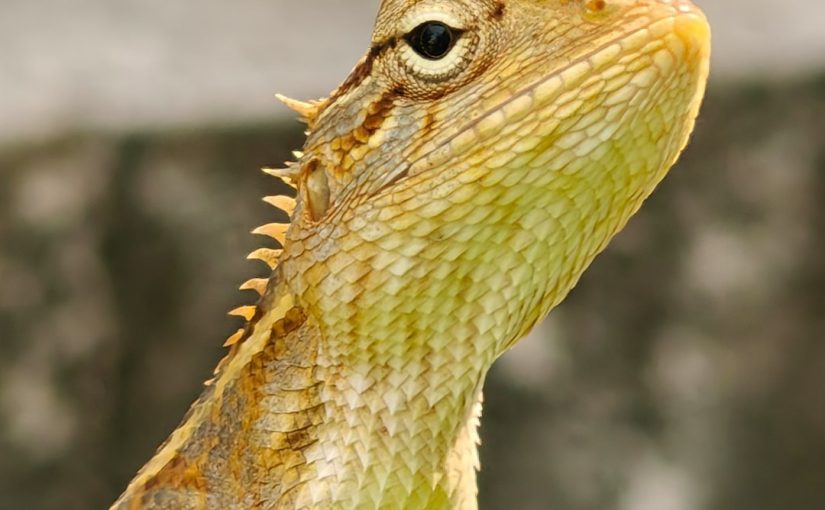
Florida, a paradise of sunshine and lush landscapes, is also home to an incredibly diverse array of wildlife, including a vibrant population of lizards. While many residents and tourists appreciate these small reptiles for their ecological role and often charming presence, there are times when their numbers or specific species can become a nuisance. Whether it’s iguanas munching on garden plants, anoles finding their way indoors, or simply an overwhelming presence in your yard, understanding how to manage lizard populations effectively and humanely is a common concern. This article will delve into practical strategies, from environmental modifications to targeted removal, to help you reclaim your space from unwanted lizard guests.
Understanding florida’s lizard inhabitants
Before embarking on any control measures, it’s crucial to understand the types of lizards you’re encountering in Florida. The state hosts numerous species, both native and introduced, each with different behaviors and impacts. The most common native lizards you’ll spot are various types of anoles, particularly the green anole. These beneficial insect-eaters are generally harmless and an important part of the ecosystem.
However, Florida also has a significant population of non-native, invasive species. The brown anole, for instance, outcompetes the native green anole. More concerning are larger invasive species like the green iguana and black and white tegu. These larger lizards can cause significant damage to landscaping, foundations, and even consume native bird eggs and small animals. Your approach to “getting rid” of lizards should always begin with identification, as control methods and ethical considerations vary greatly between native and invasive species. While discouraging native species from entering your home might be desired, their widespread elimination from your yard is generally not recommended nor effective. For invasive species, however, more aggressive management is often necessary and encouraged by state wildlife agencies.
Habitat modification and exclusion: your first line of defense
The most effective and humane way to manage lizard populations is to make your property less inviting. Lizards are attracted to areas that provide food, water, and shelter. By eliminating these necessities, you naturally reduce their presence.
1. Reduce food sources: Lizards primarily feed on insects. A well-maintained yard with fewer insect pests will, in turn, attract fewer lizards. This means addressing standing water (mosquito breeding grounds), keeping outdoor lights off at night (which attract insects), and generally managing other pest populations.
2. Eliminate shelter: Lizards seek refuge in dense vegetation, leaf litter, rock piles, and debris. Keeping your yard tidy is paramount. Trim bushes and shrubs away from your house, remove leaf and log piles, and clean up any construction debris. If lizards are entering your home, inspect your foundation for cracks, seal openings around pipes, and ensure screens on windows and doors are intact. Door sweeps can also prevent entry.
3. Control water sources: Leaky outdoor faucets, irrigation systems, and pet water bowls can provide essential hydration for lizards. Repair leaks and ensure there’s no standing water where they can drink.
Here’s a breakdown of common lizard attractants and how to manage them:
| Attractant | Description | Management Strategy |
|---|---|---|
| Insects (food) | Mosquitoes, flies, roaches, spiders | Eliminate standing water, use yellow LED lights outdoors, maintain a clean yard to deter bugs. |
| Dense foliage (shelter) | Overgrown shrubs, ivy, ground cover | Trim landscaping, create a clear perimeter around your home, remove unnecessary ground cover. |
| Debris (shelter) | Woodpiles, leaf litter, unused pots | Keep yard tidy, store woodpiles away from the house and off the ground, clear leaf litter regularly. |
| Water access | Leaky spigots, bird baths, pet bowls | Repair leaks, empty bird baths regularly, bring pet water bowls indoors at night. |
| Structural entry points | Cracks in foundation, gaps under doors, damaged screens | Seal cracks with caulk, install door sweeps, repair or replace damaged screens. |
Repellents and deterrents: temporary solutions
While habitat modification is the long-term solution, some homeowners look for immediate deterrents. It’s important to manage expectations, as many “lizard repellents” offer limited effectiveness and are often temporary at best.
Natural repellents: Some anecdotal evidence suggests that certain natural substances can deter lizards. These include essential oils like peppermint or citronella applied to cotton balls and placed in problem areas, or even coffee grounds and cayenne pepper sprinkled around foundations. However, these generally need frequent reapplication, especially after rain, and their efficacy is not scientifically proven for long-term lizard control.
Predator mimicry: Fake owls, rubber snakes, or reflective objects are sometimes used to scare away lizards. While these might work for a very short period, lizards are quick to learn and will soon realize the “predator” is not a threat, rendering these methods largely ineffective over time.
Commercial repellents: There are some commercially available lizard repellents, often containing ingredients like naphthalene (mothballs) or other chemicals. These are generally not recommended due to potential toxicity to pets, children, and beneficial insects, as well as environmental concerns. Furthermore, their effectiveness against determined lizards is often questionable. Always prioritize safety and environmental impact when considering such products.
Trapping and professional removal for persistent problems
For persistent issues, especially with larger invasive species like iguanas or tegus, more direct intervention may be necessary. Trapping can be an effective method, but it requires careful consideration and adherence to local regulations. For invasive species, trapping and euthanasia are often recommended, as relocating them can simply spread the problem to other areas.
Live traps: Small, humane live traps can be baited with overripe fruit (for iguanas), insects, or even commercially available lizard bait. Once caught, small native lizards should ideally be released far from your property. However, for invasive species, consult with local wildlife authorities regarding proper disposal methods. Sticky traps are also available, but they are often considered inhumane as lizards can injure themselves trying to escape. If used, check them frequently and release any non-target animals carefully with vegetable oil.
Professional assistance: When dealing with large populations of invasive lizards, particularly iguanas which can be difficult to catch and handle, contacting a professional wildlife removal service is often the best course of action. These experts have the necessary permits, equipment, and experience to safely and effectively remove nuisance reptiles, ensuring compliance with state regulations and humane practices. They can also provide guidance on preventing future infestations.
Dealing with Florida lizards requires a thoughtful and often multi-faceted approach. By understanding the types of lizards present, implementing habitat modifications, and selectively employing repellents or traps, you can effectively manage their presence on your property. The most sustainable solutions focus on making your environment less appealing, thereby encouraging lizards to seek more suitable habitats elsewhere. For persistent issues, especially with invasive species, professional intervention offers a reliable and responsible path to resolving the problem while adhering to ethical and legal guidelines. A harmonious coexistence with Florida’s wildlife is possible, even when managing unwanted guests.
Image by: sai pixels