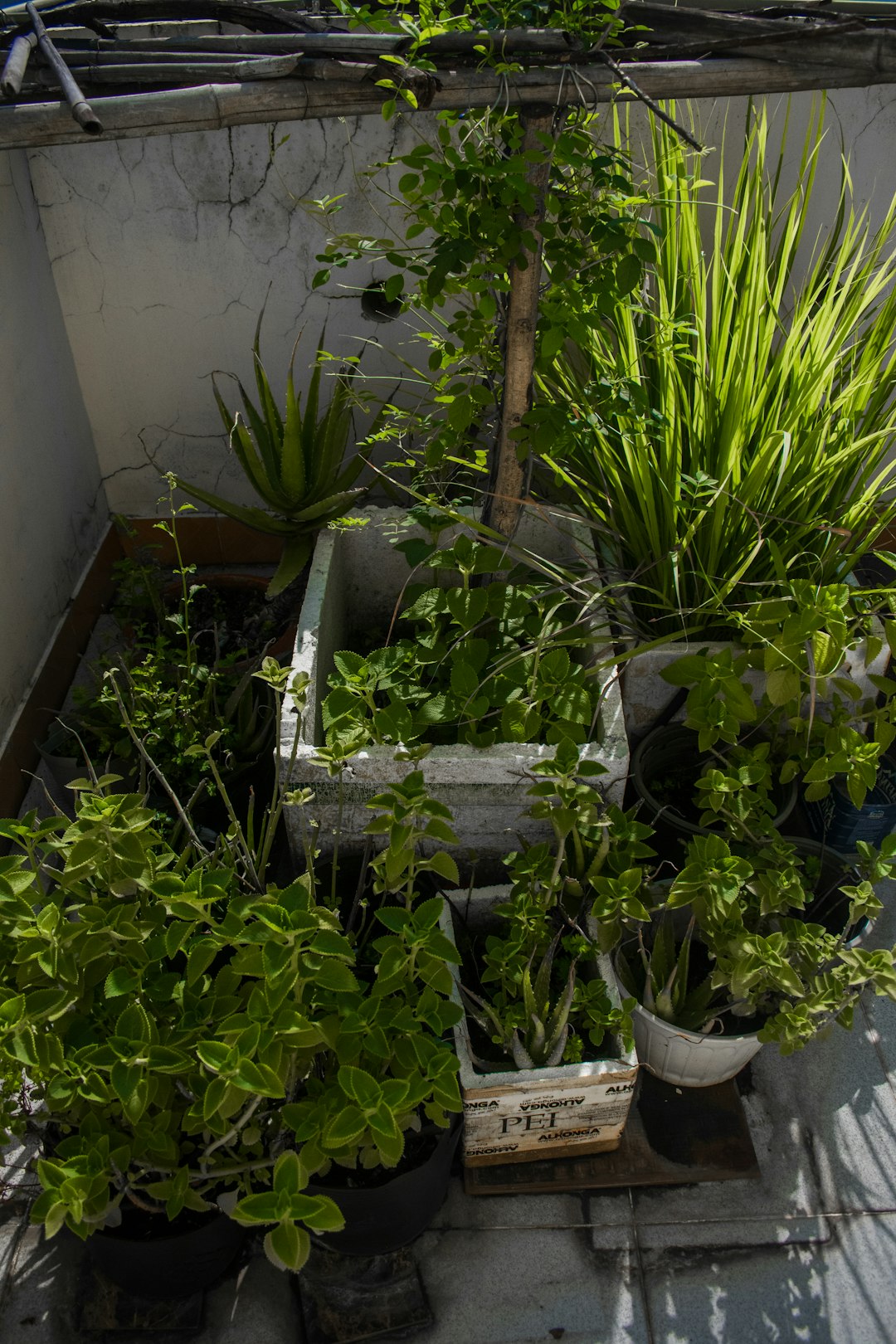
Clearing large vines and brush can feel like a monumental task, but it’s an essential step for maintaining property health, ensuring safety, and enhancing aesthetic appeal. Overgrown vegetation can harbor pests, create significant fire hazards, and aggressively choke out desirable plants, turning a manageable landscape into an impenetrable tangle. Whether you’re reclaiming a neglected backyard or managing a wildland interface, understanding the most effective and safe removal strategies is paramount. This article will guide you through the best methods, from initial assessment and proper tool selection to powerful manual and mechanical techniques, targeted chemical applications, and crucial long-term prevention strategies. By adopting a systematic approach, you can transform an unruly landscape into a manageable and beautiful space, ensuring your property remains vibrant and safe for years to come.
Starting with a clear plan: Assessment and safety first
Before you even think about grabbing a tool, a thorough assessment and meticulous planning are critical for successfully clearing large vines and brush. Begin by identifying the types of vegetation you’re dealing with. Are they invasive species like English ivy, kudzu, or multiflora rose, which require more aggressive and persistent removal? Or are they native but simply overgrown? Understanding the species will inform your strategy. Next, assess the density and size of the brush and vines. This will help you determine the appropriate tools and the scope of the project.
Safety should always be your top priority. Large-scale clearing often involves sharp tools, heavy machinery, and strenuous physical labor. Always wear appropriate personal protective equipment (PPE), which includes:
- Heavy-duty gloves to protect against thorns, blisters, and chemicals.
- Long-sleeved shirts and pants made of durable material to prevent cuts and scrapes.
- Safety glasses or goggles to shield your eyes from debris.
- Hearing protection when operating noisy equipment like chainsaws or brush mowers.
- Steel-toed boots to protect your feet.
- A hard hat, especially when working near overhead branches or falling debris.
Additionally, plan for the disposal of the removed material. Large volumes of brush can quickly accumulate, requiring chipping, hauling, or composting. Having a clear staging area and disposal plan in place before you start will streamline the entire process.
Tools of the trade: Manual and mechanical removal
Once you have a plan and are properly outfitted for safety, it’s time to tackle the actual removal. The approach you take will largely depend on the scale and nature of the vegetation.
For smaller vines and brush, or for precision work around desirable plants, manual removal is often the best choice:
- Hand pruners and loppers: Ideal for cutting through thinner stems and vines up to about 2 inches in diameter.
- Hand saws: Essential for thicker woody stems that loppers can’t handle. Bow saws and folding saws are versatile options.
- Weed wrenches: These specialized tools are excellent for pulling out small trees and shrubs by the root, preventing regrowth.
- Root removal: Whenever possible, try to dig out the roots of vines and brush. Many species can regrow vigorously from root fragments left in the soil, making root extraction a crucial step for long-term control.
When faced with extensive areas of dense brush or large woody vines, mechanical removal becomes necessary:
- Chainsaws: Indispensable for felling small trees and cutting through very thick brush and woody vine trunks. Always use with extreme caution, proper training, and full PPE.
- Brush cutters/string trimmers with brush blades: These powerful tools are designed to clear large areas of dense, herbaceous brush and smaller woody growth more efficiently than hand tools.
- Brush mowers/walk-behind brush hogs: For truly overgrown fields and thickets, a walk-behind brush mower can quickly clear large areas, mulching the vegetation as it goes.
- Skid steers with brush attachments: For extremely large-scale projects, hiring equipment like a skid steer with a mulching head can be the most efficient way to clear acres of dense brush and small trees.
Remember, mechanical tools can be dangerous. Always read the owner’s manual, understand the tool’s capabilities and limitations, and never operate them when fatigued.
Strategic approaches: Herbicides and ecological methods
Sometimes, manual and mechanical efforts alone aren’t enough, especially with aggressive invasive species that regrow easily from roots. This is where strategic use of herbicides or ecological methods can be highly effective.
Chemical control involves applying herbicides to prevent regrowth. It’s crucial to select the right product and apply it correctly to minimize environmental impact and maximize effectiveness:
- Cut-stump method: For woody vines and brush, cut the stem close to the ground and immediately apply a concentrated herbicide (like glyphosate or triclopyr) directly to the freshly cut surface. This targets the root system and prevents resprouting. Timing is important; applying within minutes of cutting is most effective.
- Basal bark treatment: For brush with thinner bark (less than 4-6 inches in diameter), an oil-soluble herbicide can be sprayed around the entire circumference of the lower 12-18 inches of the trunk. This allows the herbicide to be absorbed through the bark.
- Foliar spray: For extensive areas of herbaceous vines and small brush, a diluted herbicide can be sprayed directly onto the leaves. This method requires careful application to avoid drift onto desirable plants and is generally less effective on woody species.
Always read and follow herbicide label instructions meticulously, paying close attention to recommended concentrations, application methods, safety precautions, and environmental warnings. Avoid application during windy conditions or when rain is expected.
Ecological methods offer alternatives for those seeking non-chemical solutions:
- Smothering: For relatively flat areas with dense groundcover vines or brush, covering the area with thick tarps, cardboard, or several layers of newspaper can suppress growth by blocking sunlight. This method is slow but effective over several months.
- Prescribed burns: In some suitable environments and with proper permits and professional supervision, controlled burns can be an effective way to clear large areas of brush and reduce fuel load. This is a highly specialized technique and not for amateur application.
- Goats or grazing animals: For properties where it’s feasible, renting or utilizing goats can be an excellent way to clear brush and vines naturally. Goats are natural browsers and can effectively strip leaves and small stems from many unwanted plants.
Here is a comparison of common removal methods:
| Method Category | Primary Tools | Effort Level | Initial Cost | Effectiveness | Environmental Impact |
|---|---|---|---|---|---|
| Manual | Loppers, hand saws, gloves | High | Low | Good for smaller areas, precise | Low |
| Mechanical | Chainsaws, brush cutters, mowers | Medium | Medium-High | Good for larger, dense areas | Medium (fuel, noise, emissions) |
| Chemical | Herbicides, applicators | Low-Medium | Medium | Highly effective for persistent species | Medium (if not used carefully) |
| Ecological | Tarps, grazing animals | Low-Medium | Medium (rental/purchase) | Variable, can be slow but natural | Low (if managed well) |
Beyond removal: Prevention and long-term maintenance
Clearing large vines and brush is often just the beginning. Without a diligent follow-up plan, the unwanted vegetation can quickly return, rendering all your hard work temporary. Long-term management is crucial to maintain a clear and healthy landscape.
One of the most effective prevention strategies is regular monitoring and prompt removal of new growth. Walk your property periodically and immediately pull or cut any new vine sprouts or brush seedlings you find. Catching them early makes removal much easier and prevents them from establishing deep root systems.
Mulching cleared areas with a thick layer of wood chips, straw, or other organic material can significantly suppress weed and vine regrowth. Mulch blocks sunlight, conserves soil moisture, and moderates soil temperature, creating less favorable conditions for unwanted plants. Aim for a layer 3-6 inches thick.
Consider strategic planting with desirable native species that are well-suited to your local climate and soil conditions. A healthy, dense cover of native plants can outcompete aggressive invasive species, making it harder for them to re-establish. Avoid planting species known to be invasive in your region, even if they are readily available at nurseries.
Understanding the growth cycles of the particular vines and brush you are battling can also inform your maintenance schedule. For example, some plants are more vulnerable to herbicide application during specific times of the year (e.g., active growth period), while others are best cut back before they set seed.
Finally, remember that ongoing maintenance is not a one-time event but a continuous process. Integrate these prevention and management tasks into your regular landscaping routine to ensure your property remains clear, safe, and beautiful.
Clearing large vines and brush, while a challenging endeavor, is an incredibly rewarding process that vastly improves the health, safety, and aesthetics of any property. From the initial critical assessment and meticulous safety preparations to the strategic deployment of manual and mechanical tools, and the judicious application of herbicides or ecological methods, each step plays a vital role in reclaiming your landscape. We’ve explored how understanding the specific types of vegetation and their growth habits can inform the most effective removal techniques, highlighting the importance of both brute force and targeted treatments. Remember, the true victory lies not just in the initial clearing, but in the unwavering commitment to long-term prevention and maintenance. By regularly monitoring for new growth, applying suppressive mulches, and thoughtfully planting native species, you can ensure your hard work endures. With patience, persistence, and the right approach, you can transform an overgrown wilderness into a thriving, manageable, and beautiful outdoor space for years to come.
Image by: Almas Salakhov