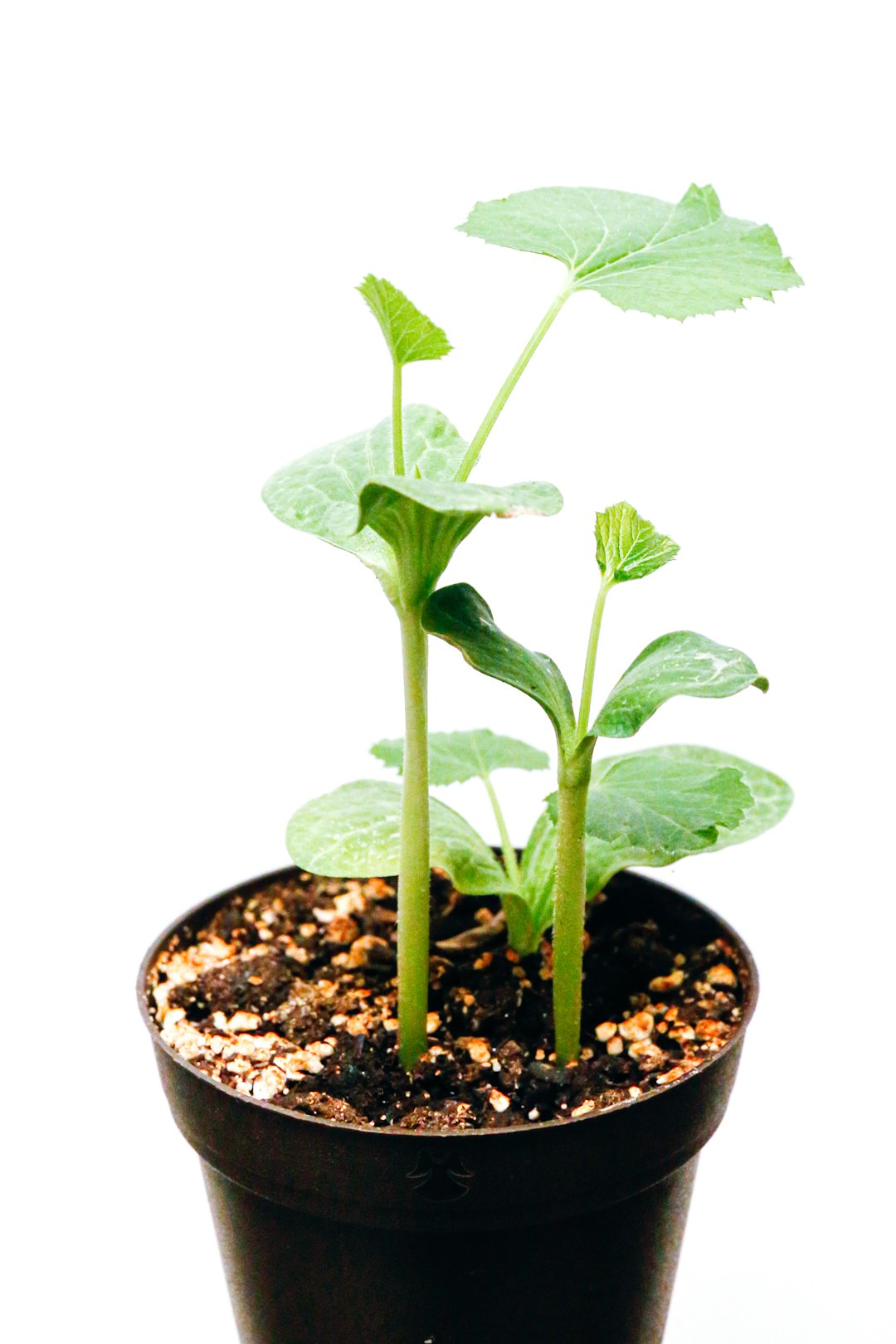
Landscaping a large acreage presents a unique and exciting opportunity. Unlike smaller urban plots, expansive properties offer the chance to create truly immersive environments that blend seamlessly with nature while fulfilling diverse functional and aesthetic desires. This endeavor goes beyond mere gardening; it requires a strategic vision, careful planning, and a deep understanding of scale and ecological principles. From crafting sweeping vistas to integrating sustainable practices, designing for large spaces demands a thoughtful approach that respects the land’s natural contours and climate. This article will explore innovative ideas to transform your large acreage into a cohesive, beautiful, and highly functional landscape that reflects your lifestyle and enhances the property’s inherent beauty.
Strategic zoning and master planning
The first and most critical step in designing a large acreage landscape is to establish a comprehensive master plan, beginning with strategic zoning. Think of your property as a series of interconnected “rooms” or distinct areas, each with a specific purpose and character. Without this foundational planning, vast spaces can feel directionless or overwhelming. Start by analyzing the existing conditions: topography, sunlight exposure, prevailing winds, soil composition, and existing vegetation. These natural attributes will heavily influence where different zones should be placed.
Divide your property into logical zones, such as:
- The arrival zone: This includes driveways, entrance gates, and a formal or informal approach to the main residence. It sets the first impression.
- Private living areas: Patios, outdoor kitchens, swimming pools, and intimate gardens directly adjacent to the home. These areas are for immediate relaxation and entertainment.
- Recreational zones: Designated spaces for sports courts, children’s play areas, or larger gathering spots.
- Productive landscapes: Orchards, vineyards, vegetable gardens, or cut flower gardens. These zones contribute resources and often a beautiful aesthetic.
- Natural or wild zones: Areas dedicated to native habitats, meadows, woodlands, or conservation efforts. These often require minimal intervention and enhance biodiversity.
- Utility areas: Spaces for equipment storage, composting, or septic fields, strategically screened from view.
Once these zones are identified, consider how they will connect both visually and functionally. Pathways, sightlines, and transitions between zones are crucial for creating a fluent experience. A well-executed master plan ensures that every square foot serves a purpose and contributes to the overall aesthetic and utility of your property.
Embracing the native landscape and sustainable practices
Working with the existing environment, rather than against it, is fundamental for successful large acreage landscaping. Embracing native plants and sustainable practices not only reduces maintenance but also fosters a landscape that thrives naturally and supports local ecosystems. Begin by understanding your region’s specific climate, rainfall patterns, and soil types. Conducting a professional soil test can provide invaluable information about nutrient levels and pH, guiding plant selection and amendment needs.
Prioritize native and regionally appropriate plants. These species are adapted to local conditions, requiring less water, fertilizer, and pest control once established. They also provide crucial habitat and food sources for local wildlife, contributing to biodiversity. Consider creating diverse planting schemes that mimic natural ecosystems found in your area, such as meadows, woodlands, or riparian buffers along waterways. This approach reduces the need for constant human intervention, making the landscape more resilient and less resource intensive.
Water management is another cornerstone of sustainable design for large properties. Implement strategies such as:
- Rainwater harvesting: Collecting rainwater from roofs or hard surfaces for irrigation.
- Xeriscaping: Designing landscapes that require minimal water.
- Efficient irrigation systems: Utilizing drip irrigation or smart controllers to deliver water precisely where and when it’s needed, reducing waste.
- Permeable surfaces: Opting for gravel, pavers with wide gaps, or porous asphalt for driveways and paths to allow rainwater to infiltrate the ground rather than run off.
By integrating these practices, you create a landscape that is not only beautiful but also ecologically responsible and economical to maintain in the long term.
Creating focal points and defining pathways
In expansive landscapes, it’s easy for the eye to wander without a sense of direction or interest. Creating strategic focal points and well-defined pathways is essential for guiding visitors through the space and providing visual anchors. Focal points draw attention, create a sense of destination, and can be used to emphasize particular views or features of the landscape. They can range from natural elements to man-made structures.
Examples of effective focal points include:
- Large specimen trees: A majestic oak or a grouping of evergreens can create a powerful visual statement.
- Sculptures or art installations: These add an element of surprise and cultural interest.
- Water features: Ponds, waterfalls, or fountains introduce sound, movement, and reflective qualities.
- Architectural elements: A beautifully designed gazebo, pergola, or even a quaint bridge can serve as a compelling destination.
- Mass plantings: A large sweep of colorful perennials or ornamental grasses can create a vibrant visual anchor.
Pathways are equally important, serving as the connective tissue between zones and leading the eye from one focal point to the next. They define circulation and invite exploration. Consider the materials, width, and curvature of your paths. A meandering path might encourage a leisurely stroll, while a straight, wide boulevard can convey grandeur. Materials should be chosen to complement the overall style of your property, from natural flagstone and gravel to more formal brick or concrete. Ensure pathways are adequately lit for safety and ambiance during evening hours.
Incorporating functional elements and long-term vision
Beyond aesthetics, a large acreage landscape must also be highly functional, supporting the activities and lifestyle of its inhabitants. Integrating various functional elements thoughtfully ensures the property is not just beautiful but also practical and enjoyable. This chapter also emphasizes the importance of a long-term vision, as these landscapes evolve over many years.
Functional elements to consider:
| Element category | Specific examples | Benefits |
|---|---|---|
| Outdoor living spaces | Patios, decks, outdoor kitchens, fire pits | Extends living area, enhances entertainment |
| Productive areas | Orchards, vegetable gardens, vineyards, chicken coops | Food source, aesthetic appeal, connection to nature |
| Infrastructure | Irrigation systems, lighting, drainage, fencing | Property maintenance, safety, accessibility |
| Recreational features | Sports courts, putting greens, playgrounds, swimming pools | Health, entertainment, family activities |
When planning, think about how these elements will be used and how they relate to the existing architecture and the natural landscape. For instance, an outdoor kitchen should be conveniently located near the main house but also offer a pleasant view. Lighting is crucial for safety and ambiance, allowing enjoyment of the landscape after dark. Drainage solutions are vital to prevent erosion and waterlogging, especially on properties with varied topography.
Crucially, adopt a long-term vision. Large landscapes mature over decades. Consider how trees will grow, how gardens will expand, and how your own needs might change. Phased development can be a sensible approach, allowing you to tackle different sections of the property over time as budget and resources allow. This patient, adaptive strategy ensures that your large acreage landscape not only meets your current desires but also grows into an enduring, cherished environment for generations.
Landscaping a large acreage is a journey that marries grand vision with meticulous planning and an appreciation for the natural world. From the initial strategic zoning that defines the purpose of each area to the careful selection of native plants that embrace sustainability, every decision contributes to the overall success. Crafting focal points and defining pathways ensures the vastness feels cohesive and inviting, while integrating functional elements like outdoor living spaces and efficient infrastructure enhances both practicality and enjoyment. The ultimate goal is to create a dynamic, living environment that not only reflects your personal aesthetic but also thrives ecologically and evolves gracefully over time. By embracing a thoughtful, long-term approach, your expansive property will transform into a breathtaking, resilient, and deeply rewarding landscape, a testament to harmonizing human design with the inherent beauty of nature.
Image by: Logan Voss