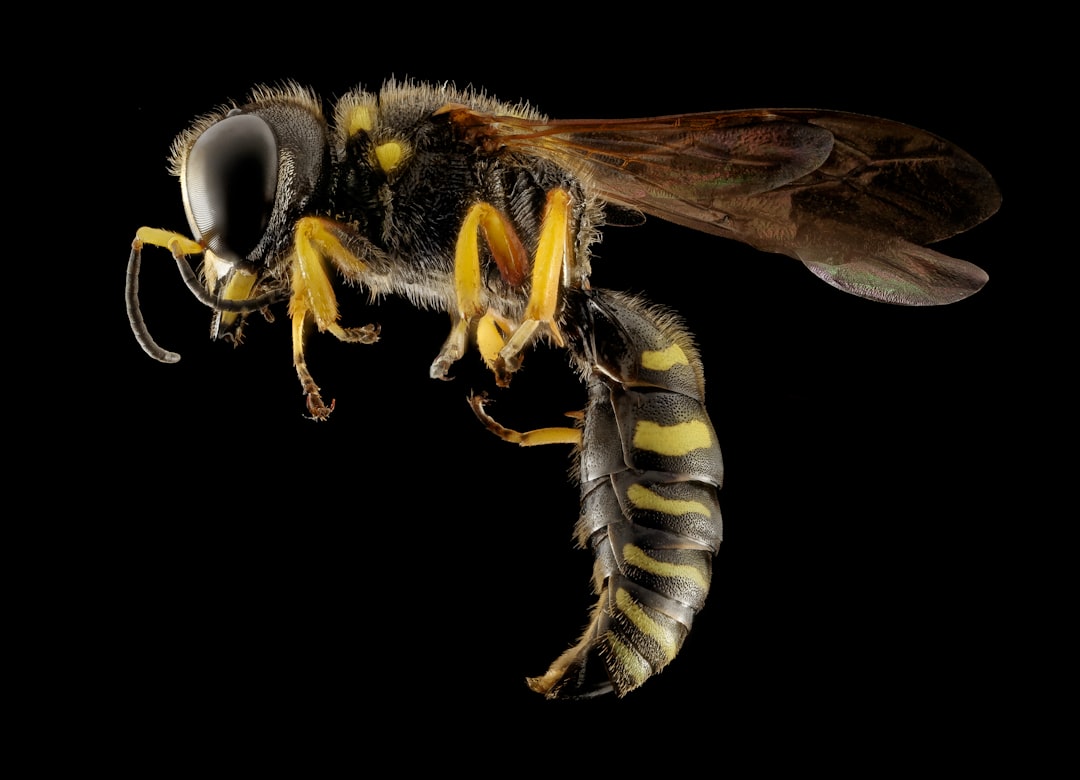
The sight of hornets buzzing around your beautiful lilac bushes can be disheartening, especially when these valuable pollinators turn into destructive pests. While hornets play a role in the ecosystem, their presence can become a problem when they begin to damage the delicate flowers and foliage of your prized lilacs. Understanding why these insects are drawn to your garden is the first step in formulating an effective strategy. This guide will delve into practical, humane, and sustainable methods to deter hornets, ensuring your lilacs remain vibrant and unharmed throughout their blooming season. We’ll explore various tactics, from natural repellents to strategic trapping, all designed to protect your beloved plants.
Understanding the problem: Why hornets target lilacs
Before implementing any deterrents, it’s crucial to understand why hornets are attracted to your lilacs in the first place. Hornets, like many insects, are opportunistic and seek out readily available food sources, water, and sometimes even nesting materials. Your lilac bushes might be providing one or more of these crucial elements. One primary draw is the nectar and pollen from the flowers themselves. While hornets are primarily predatory, they do consume nectar for energy, especially in late summer when other food sources might dwindle. If your lilacs are stressed or have any minor injuries, they might leak sap, which is a sugary treat hornets will readily exploit. Furthermore, lilacs can sometimes host other small insects like aphids or caterpillars; hornets, being natural predators, might be visiting your bushes to hunt these pests, inadvertently causing damage or simply being a nuisance in the process. Identifying the specific attractant can help tailor your prevention strategy more effectively.
Non-lethal deterrents and preventative measures
Employing non-lethal methods is often the preferred first line of defense to keep hornets away from your lilacs without harming the insects or other beneficial garden visitors. One effective approach is using strong-smelling natural repellents. Essential oils such as peppermint, clove, geranium, or citronella, when diluted with water and sprayed lightly on the leaves (always test a small area first to ensure no plant damage), can deter hornets due to their potent aromas. Hornets also dislike the smell of certain plants. Companion planting with herbs like mint, lemongrass, or even specific varieties of marigolds around your lilac bushes can create an olfactory barrier that hornets tend to avoid. Ensuring your garden is clean and free of fallen fruit, sugary drinks, or uncovered compost also reduces general attractants. Regularly inspect your lilacs for signs of damage or leaks; promptly pruning away any damaged branches can prevent sap from becoming an open invitation for hornets. Providing alternative water sources away from your lilacs, such as a bird bath or a shallow dish of water, can also redirect hornets seeking hydration.
Strategic trapping and habitat management
When hornets persist despite preventative measures, strategic trapping can help reduce their numbers around your lilacs. It’s important to note that traps should be placed *away* from the plants you want to protect to lure hornets elsewhere. Simple DIY traps can be made from plastic bottles filled with a mixture of sugary water, fruit juice, or even beer. Some people find success with a splash of vinegar, which helps deter bees but attracts hornets. Commercial hornet traps are also available and often use specific pheromones or baits. The key is to place these traps on the perimeter of your property, or at least a good distance from your lilacs, so hornets are drawn to the trap instead of the bushes. Another critical aspect of management is identifying and, if necessary, removing nearby hornet nests. Hornets often build nests in sheltered spots like eaves, hollow trees, or dense shrubs. If you locate a nest close to your home or garden, it is highly recommended to contact a professional pest control service for safe removal, especially for aggressive species like bald-faced hornets or yellow jackets, which can be very dangerous if provoked. Reducing potential nesting sites by sealing cracks in structures and clearing dense brush can also help.
Integrated pest management and long-term solutions
An integrated pest management (IPM) approach combines all the strategies mentioned for the most effective and sustainable long-term solution. This holistic method focuses on understanding the ecosystem and making informed decisions to minimize pest impact while preserving beneficial organisms. For your lilacs, maintaining their overall health is paramount. Healthy, well-hydrated, and properly fertilized lilacs are generally more resilient and less susceptible to pest issues, including those that might attract hornets. Regularly monitor your plants for any early signs of hornet activity or underlying pest infestations (like aphids) that might be drawing hornets in search of prey. Encouraging natural predators of hornets, such as birds, praying mantises, and certain spiders, by creating a biodiverse garden ecosystem can also contribute to natural population control. Remember that a few hornets in the garden are normal and often beneficial, as they prey on other garden pests. Intervention is primarily needed when their numbers become excessive, cause significant damage, or pose a threat. By combining vigilance with a multi-faceted approach, you can significantly reduce hornet presence and protect your beautiful lilacs for years to come.
Here is a summary of hornet deterrent effectiveness:
| Method | Effectiveness | Safety | Best use case |
|---|---|---|---|
| Essential oil sprays | Moderate | High | Mild deterrence for casual visitors |
| Companion planting | Low-Moderate | High | Long-term, subtle deterrence around plants |
| Baited traps (away from lilacs) | High | Moderate | Reducing local hornet population, luring away |
| Nest removal (professional) | Very High | Low (DIY), High (Pro) | Eliminating source of infestation, large populations |
| Garden hygiene | Moderate | High | General prevention, reducing attractants |
Protecting your beautiful lilacs from hornets requires a strategic, multi-faceted approach rather than a single solution. We’ve explored the importance of understanding why hornets are attracted to your plants, from their search for nectar and sap to their predatory instincts. By implementing non-lethal deterrents such as essential oil sprays and companion planting, alongside strategic trapping placed away from your lilacs, you can significantly reduce their presence. Furthermore, good garden hygiene and, if necessary, professional nest removal are crucial steps in comprehensive hornet management. The ultimate goal is to create an environment where your lilacs can thrive unmolested, while also respecting the role hornets play in the broader ecosystem. With vigilance and a combination of these methods, you can ensure your lilac bushes remain a stunning, fragrant highlight of your garden, free from unwanted insect damage.