The pepino melon, also known as the “sweet cucumber” or “melon pear,” is a delightful fruit originating from the Andean regions of South America. Prized for its sweet, juicy flesh that offers a unique flavor profile often described as a blend of cantaloupe, honeydew, and cucumber, this intriguing plant (Solanum muricatum) is gaining popularity among home gardeners worldwide. Cultivating pepino melons can be incredibly rewarding, providing a continuous harvest of these distinctive fruits. However, like any specific crop, success hinges on understanding its particular needs. This comprehensive guide aims to equip you with the essential knowledge and practical tips to ensure your pepino melon plants thrive, from initial planting to bountiful harvest.
Site selection and soil preparation
Choosing the right location is paramount for a successful pepino melon harvest. These sun-loving plants flourish when provided with at least six to eight hours of direct sunlight daily. A site that receives morning sun and perhaps some afternoon shade in extremely hot climates can also be beneficial, helping to prevent sun scald on the fruits. Beyond sunlight, good drainage is non-negotiable. Pepino melons detest “wet feet,” meaning their roots are susceptible to rot in waterlogged conditions.
The ideal soil for pepino melons is a well-draining, fertile sandy loam, rich in organic matter. Aim for a slightly acidic to neutral pH range, typically between 6.5 and 7.5. To prepare your planting site, begin by amending the soil generously with organic materials such as well-rotted compost or aged manure. This not only improves drainage and aeration but also enriches the soil with essential nutrients, providing a strong foundation for your plants. If your native soil is heavy clay, consider building raised beds. Raised beds offer superior drainage and allow for easier control over soil composition, giving your pepino melons the best possible start.
Planting and initial care
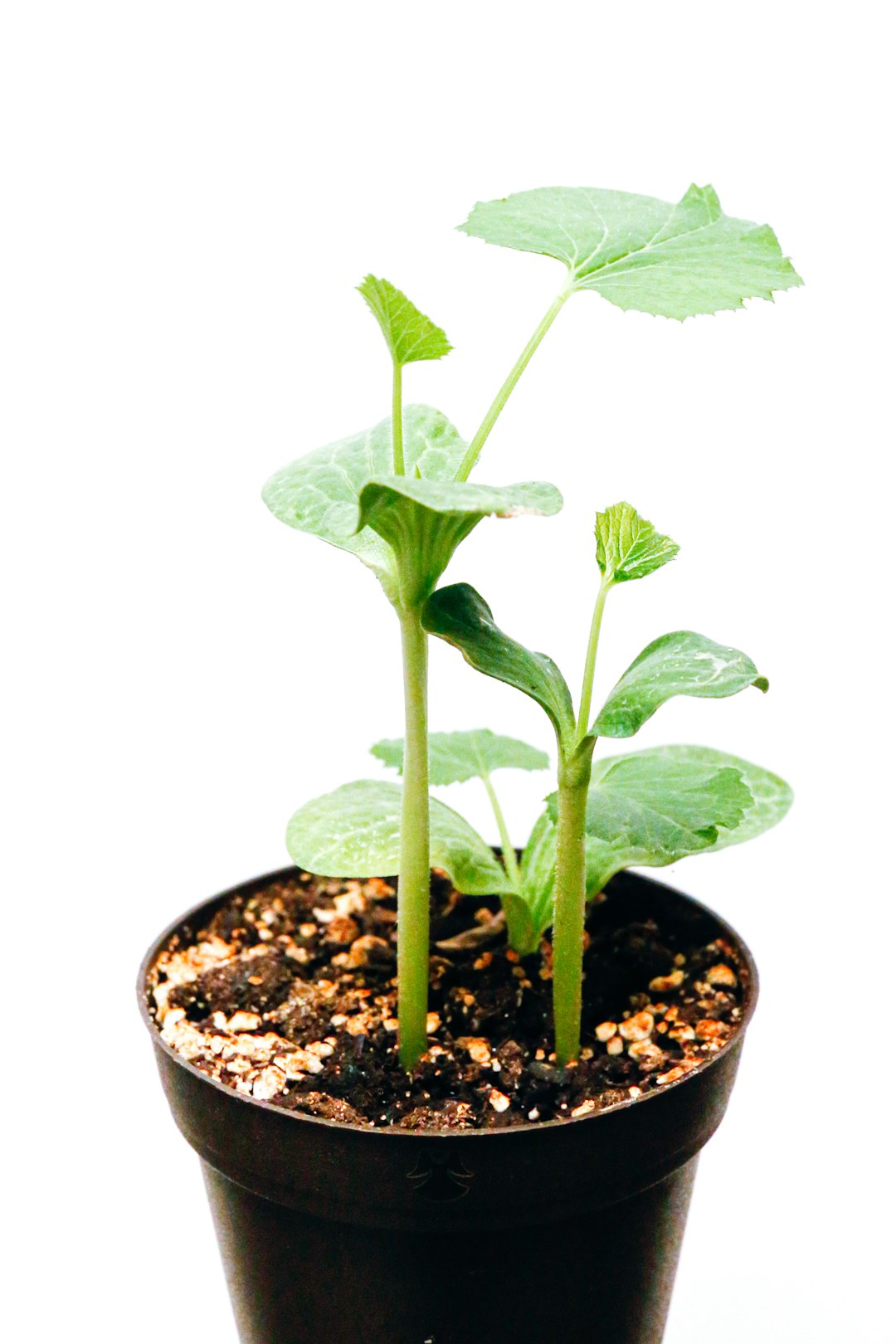
Once you’ve selected and prepared your site, it’s time for planting. Pepino melons can be started from seeds, cuttings, or purchased as nursery seedlings. Starting from seed requires patience as germination can be slow and requires consistent warmth, ideally above 70°F (21°C). Cuttings, however, root quite readily and are a faster way to establish plants. Regardless of your starting method, ensure that all danger of frost has passed and soil temperatures consistently remain above 60°F (15°C) before transplanting outdoors.
When planting, space your pepino melon plants approximately two to three feet apart. This spacing allows for adequate air circulation and provides room for growth. Because pepino melons have a somewhat sprawling habit, similar to indeterminate tomatoes, they benefit greatly from support. Installing stakes, cages, or a trellis at the time of planting will prevent the fruits from resting on the ground, which can lead to rot and pest issues. Immediately after planting, water thoroughly to help settle the soil around the roots. For the first few weeks, consistent moisture is vital to encourage robust root development, but always be careful not to overwater.
Ongoing care: watering, fertilizing, and pruning
Maintaining consistent moisture is critical for pepino melons. While they need regular watering, especially during dry spells and fruit development, they are sensitive to both overwatering and prolonged drought. Aim for deep, infrequent watering rather than shallow, frequent sprinkles. Allow the top inch or two of soil to dry out slightly between waterings, but never let the soil become completely parched. Mulching around the base of the plants with straw or wood chips can help retain soil moisture, suppress weeds, and regulate soil temperature.
Fertilization should be tailored to the plant’s growth stage. During initial vegetative growth, a balanced fertilizer will encourage leafy development. However, once flowers begin to appear and fruits start to set, shift to a fertilizer higher in phosphorus and potassium to support flowering and fruit production. Avoid excessive nitrogen during fruiting, as this can promote foliage at the expense of fruit. Organic options like fish emulsion, bone meal, and compost tea can provide a steady supply of nutrients.
Pruning is an often-overlooked but essential practice for pepino melons. Like tomatoes, they produce “suckers” in the leaf axils. Removing these suckers, especially those not contributing to fruit production, can improve air circulation, reduce disease risk, and direct the plant’s energy towards developing larger, higher-quality fruits. You can also pinch back overly vigorous growth to maintain a manageable plant size and encourage branching, leading to more flowers and subsequent fruits.
| Growth Stage | Primary Nutrients | Notes |
|---|---|---|
| Vegetative Growth (early) | Nitrogen (N) | Promotes leafy growth; balanced fertilizer. |
| Flowering & Fruiting | Phosphorus (P), Potassium (K) | Essential for flower development, fruit set, and quality. Reduce nitrogen. |
| Throughout Season | Calcium, Magnesium (Micronutrients) | Prevents deficiencies like blossom end rot; ensure soil amendments. |
Pest and disease management & harvesting
Even with the best care, pepino melons can sometimes encounter pests and diseases. Common culprits include aphids, whiteflies, and spider mites, all of which can be managed with organic solutions such as neem oil or insecticidal soaps. Regularly inspecting your plants will help you catch infestations early, making them easier to control. For fungal diseases like powdery mildew, which can occur in humid conditions, ensure good air circulation through proper spacing and pruning. Choosing resistant varieties and maintaining overall plant health are your best defenses against disease.
Harvesting your pepino melons at the right time is key to enjoying their full flavor. The fruits typically mature within 70 to 90 days after flowering. You’ll know they are ready when their skin changes color, often developing distinctive yellow or creamy hues with purple stripes or blush, depending on the variety. The melon should feel slightly soft to the touch, similar to a ripe tomato, and may emit a subtle, sweet aroma. Gently twist or cut the fruit from the vine, leaving a short stem attached. Pepino melons can be stored at room temperature for a few days or refrigerated for longer periods, but for the best flavor, enjoy them shortly after picking.
Successfully cultivating pepino melons rewards the patient gardener with an abundance of uniquely flavored fruits. As we’ve explored, the journey begins with selecting an optimal sunny site and preparing well-draining, nutrient-rich soil. From there, consistent attention to watering, appropriate fertilization, and strategic pruning are crucial for fostering robust growth and maximizing your harvest. Vigilance against common pests and diseases, coupled with timely harvesting at peak ripeness, completes the cycle, ensuring you enjoy the best possible yield. Embrace the challenge of growing these delightful fruits; by understanding and meeting their specific needs, you’ll soon be savoring the sweet, refreshing taste of your homegrown pepino melons, a testament to your gardening prowess and a truly unique addition to your culinary adventures.
Image by: Powell Rasull