For olive growers, enthusiasts, and home gardeners alike, understanding the optimal moment to harvest is paramount. The seemingly simple question of “When are olives ripe to pick?” unlocks a world of nuanced flavors, textures, and oil characteristics. Unlike many fruits where ripeness is a straightforward concept, olives present a fascinating spectrum, influenced by varietal differences, climate, and ultimately, the intended use – whether for robust extra virgin olive oil or delicious brined table olives. This guide will delve into the intricate journey of an olive from its nascent green stage to its rich, dark maturity, equipping you with the knowledge to make informed harvesting decisions and unlock the full potential of this ancient, versatile fruit.
The stages of olive ripeness
The maturation of an olive is a gradual process, marked by distinct visual and physiological changes. These stages dictate the fruit’s chemical composition, significantly impacting its flavor, oil content, and suitability for various uses.
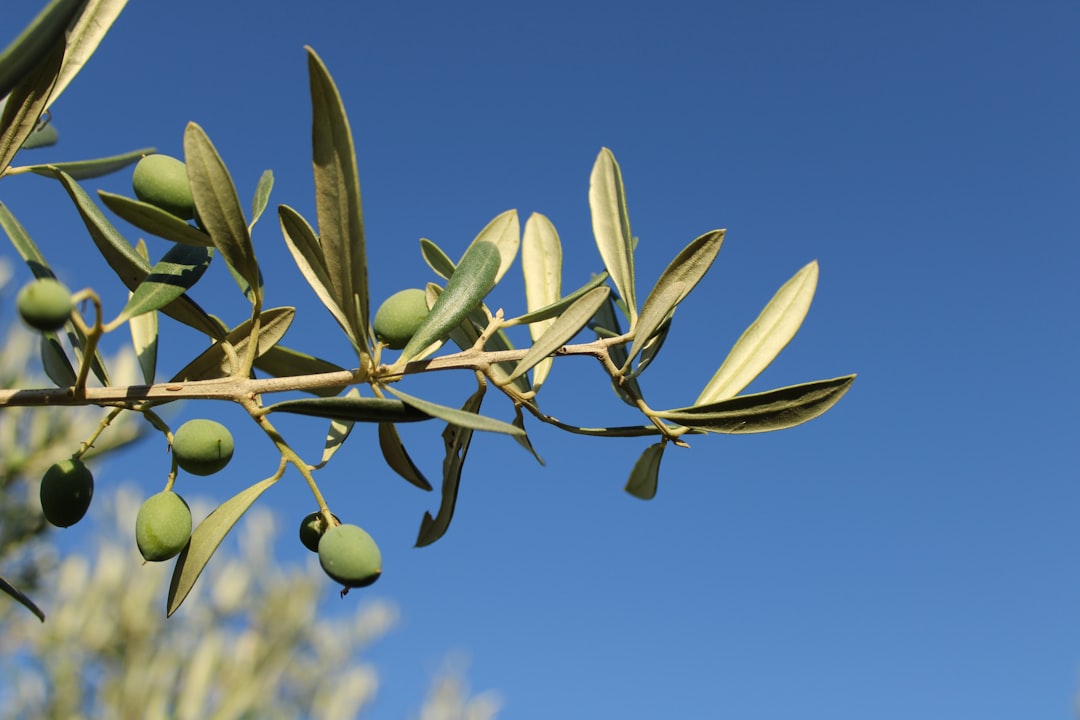
- Green stage: Initially, olives are firm, bright green, and characterized by a high concentration of chlorophyll and polyphenols, particularly oleuropein, which imparts intense bitterness. At this stage, oil yield is lower, but the resulting oil is often peppery, pungent, and highly stable due to its antioxidant content. Green olives are also prized for certain table olive preparations, valued for their firm texture and distinct flavor profile.
- Veraison (color change): As olives mature, they enter veraison, a transitional phase where the green chlorophyll begins to break down, and anthocyanin pigments develop. The fruit changes color, moving from green to yellowish-green, then to reddish-purple or mottled tones. During this period, oleuropein levels start to decrease, leading to a reduction in bitterness, while oil accumulation accelerates. Olives harvested during veraison often yield well-balanced oils with complex fruity notes and medium pungency.
- Black or dark purple stage: Finally, olives reach full maturity, turning deep purple or uniformly black. At this stage, the fruit is softer, and its oil content is at its peak. Bitterness is significantly reduced, resulting in milder, often buttery and fruity oils. These olives are also preferred for certain types of table olives, valued for their mellow flavor and tender texture. Harvesting too late, however, can lead to over-ripe olives that are soft, shriveled, and potentially prone to quality issues.
Factors influencing ripeness and harvest time
Deciding the precise moment to pick olives involves more than just observing color. Several critical factors play a role in their development and the ultimate quality of the product.
- Varietal characteristics: Different olive cultivars ripen at varying rates and possess unique genetic traits that influence their flavor and oil composition. For instance, Arbequina olives tend to ripen earlier and produce a mild, fruity oil, while Koroneiki often ripens later, yielding a more robust and peppery oil. Understanding your specific variety is key.
- Climate and weather: Environmental conditions significantly impact ripening. Warm, sunny weather generally accelerates maturation, while cooler temperatures can slow it down. Sufficient rainfall or irrigation is crucial for fruit development, but excessive moisture can lead to fungal issues. Late frosts can be particularly damaging to ripening fruit, affecting oil quality.
- Intended use: Perhaps the most crucial factor is what you plan to do with the olives. If the goal is a highly pungent, herbaceous extra virgin olive oil, an earlier harvest (green to early veraison) is desirable. For a milder, buttery oil with higher yield, a later harvest (black stage) would be chosen. For table olives, the firmness and bitterness levels required for a specific curing method also dictate the picking window.
- Grove management: Factors like pruning, fertilization, and pest control can indirectly influence the health and vigor of the olive trees, which in turn affects fruit development and ripening uniformity.
Picking for different purposes: a ripeness guide
The optimal harvest time is intrinsically linked to the desired end product. Whether you’re aiming for a vibrant, peppery oil or a delicate, buttery table olive, understanding how ripeness impacts flavor and texture is crucial. The table below illustrates the connection between the olive’s stage of development and its typical characteristics for both oil and table olive production.
| Ripeness stage | Olive color | Typical oil characteristics | Typical table olive characteristics |
|---|---|---|---|
| Early green | Bright green | Very pungent, bitter, herbaceous, high polyphenols | Firm, crisp, often brined or cured (e.g., Spanish-style green olives) |
| Green-yellow | Yellowish-green to light green | Robust, grassy, peppery finish, good balance | Still firm, good for brining; less bitter than early green |
| Veraison (color change) | Mottled green, purple, reddish | Well-balanced, fruity, medium pungency, good complexity | Slightly softer, excellent for many curing methods (e.g., Kalamata-style) |
| Black-purple | Dark purple to black | Milder, buttery, fruity, less pungent, higher oil yield | Softer, rich flavor, often naturally cured or oil-cured |
| Deep black | Uniform deep black | Very mild, buttery, delicate, highest oil yield, lower polyphenols | Very soft, can be prone to bruising; best for certain cured varieties |
Assessing ripeness: practical tools and techniques
While theoretical knowledge is essential, practical assessment on the ground is what truly guides harvest decisions. A combination of senses and simple techniques can help determine peak ripeness.
- Visual inspection: This is the most common and intuitive method. Observe the color of the olives on the tree. Remember that a single branch or even a single olive can exhibit different stages of ripeness. Look for the predominant color and the overall pattern across the grove. Uniformity in color across a sample of fruit is a good indicator of ripeness consistency.
- Tactile test: Gently squeeze a few olives between your fingers. Green olives will be very firm and unyielding. As they ripen, they become noticeably softer but should still retain some resilience. Over-ripe olives will feel excessively soft, mushy, or shriveled, indicating they’ve passed their prime.
- Taste test: The most direct way to assess flavor development is to taste a raw olive. Be prepared for bitterness, especially from green olives. As olives ripen, the intense bitterness gradually recedes, giving way to more fruity and complex notes. For oil production, tasting helps predict the final oil’s pungency and fruitiness.
- Ripeness index (phenological index): For larger-scale commercial growers or those seeking precise control, a ripeness index can be employed. This involves collecting a representative sample of olives and assigning each fruit a numerical score based on its color (e.g., 0 for deep green, 1 for green-yellow, up to 7 for deep black and shriveled). An average score provides a quantitative measure of the overall ripeness of the grove, allowing for more consistent harvest timing year after year.
The journey of an olive from its first blush of green to its deepest ebony hue is a complex dance between nature and human intent. As we’ve explored, answering the question “When are olives ripe to pick?” is not a simple matter of a fixed date, but rather a thoughtful consideration of visual cues, varietal traits, environmental factors, and crucially, the desired end product. Whether aiming for a pungent, peppery olive oil or a mellow, buttery spread for your table, understanding the stages of ripeness empowers you to make strategic harvesting decisions. By paying close attention to color transformation, firmness, and even taste, you can unlock the full spectrum of flavors and textures that olives graciously offer, ensuring every harvest yields a truly exceptional bounty.