Cultivating a thriving, well-structured tree is a rewarding endeavor for any gardener or arborist. Whether your goal is to enhance a tree’s aesthetic appeal, boost its fruit production, or improve its overall structural integrity, understanding how to stimulate new branch growth is paramount. This process goes beyond mere chance; it involves a thoughtful combination of horticultural science and practical application. By delving into the natural mechanisms that govern tree development and applying targeted techniques, you can effectively encourage dormant buds to spring to life, fill out sparse areas, and guide your tree towards its full potential. Join us as we explore the essential strategies and underlying principles to foster robust and healthy branching in your trees.
Understanding tree physiology for robust growth
To effectively encourage new branch growth, it is crucial to first grasp the fundamental physiological processes at play within a tree. A primary concept is apical dominance, where the terminal bud (the bud at the very tip of a branch) produces a hormone called auxin. This hormone travels downwards, suppressing the growth of lateral buds located further down the stem. This mechanism ensures that the main leader grows tall and straight, often at the expense of side branching. When this apical dominance is disrupted, lateral buds are released from inhibition, allowing them to sprout into new shoots. Another key hormone, cytokinin, produced primarily in the roots, works in conjunction with auxin to regulate cell division and differentiation, playing a critical role in shoot initiation and development. Environmental factors such as light availability, water uptake, and nutrient availability also profoundly influence the tree’s hormonal balance and its capacity for growth. A tree under stress from lack of water or nutrients will naturally prioritize survival over new branch production, making a holistic understanding of its needs essential.
Strategic pruning: redirecting energy for new branches
Pruning is perhaps the most direct and effective method for stimulating new branch growth, directly manipulating the tree’s hormonal balance. The type and location of a cut dictate the response. A heading cut, which involves removing a portion of a branch back to a lateral bud or branch, is highly stimulatory. By removing the terminal bud, you disrupt apical dominance, significantly reducing auxin flow and encouraging the dormant lateral buds immediately below the cut to sprout. These new shoots tend to grow vigorously. Another technique is notching, which involves making a small, crescent-shaped cut in the bark just above a dormant bud. This severs the phloem tissue, preventing auxin from flowing past the bud, thereby reducing its inhibitory effect and encouraging it to break dormancy. Conversely, thinning cuts, which remove an entire branch back to its point of origin, are generally less stimulatory for new growth in the immediate vicinity but improve light penetration, which can promote overall vigor and latent bud activation throughout the canopy. Timing is critical; pruning during the dormant season often leads to a burst of growth in the spring, while summer pruning can be used to control growth and direct energy to specific areas.
Here’s a quick overview of common pruning techniques and their primary effects:
| Pruning Technique | Description | Primary Effect on Branch Growth |
|---|---|---|
| Heading Cut | Removing a portion of a branch back to a lateral bud or shoot. | Stimulates strong lateral bud break and denser growth below the cut. |
| Notching | Making a small cut in the bark just above a dormant bud. | Specifically encourages the notched bud to sprout by disrupting auxin flow. |
| Thinning Cut | Removing an entire branch back to its point of origin (trunk or larger branch). | Reduces density, improves light and air circulation, promotes overall tree vigor (less direct new branch stimulation at the cut point). |
Nourishing your tree: essential environmental and nutritional support
While pruning acts as the primary catalyst, the sustained health and vigor of your tree are fundamental to its ability to produce and maintain new branches. A tree struggling with environmental deficiencies will lack the energy reserves to respond effectively to pruning. Soil health is paramount; well-drained, fertile soil provides the necessary foundation for robust root development, which in turn supports vigorous shoot growth. Regular and adequate watering, especially during dry periods and for young trees, ensures that nutrients can be transported efficiently throughout the plant and that cells remain turgid for growth. Fertilization plays a critical role, but must be balanced. While nitrogen (N) promotes leafy growth, excessive nitrogen without adequate phosphorus (P) and potassium (K) can lead to weak, leggy branches. A balanced fertilizer, sometimes supplemented with micronutrients like iron or magnesium, provides the building blocks for strong cell development. Ensure the tree receives sufficient sunlight; most trees require ample light to photosynthesize effectively, producing the sugars needed for growth. Furthermore, diligent pest and disease management prevents stressors that can divert energy away from new branch development and compromise the tree’s overall vitality.
Long-term commitment: ongoing care and advanced techniques
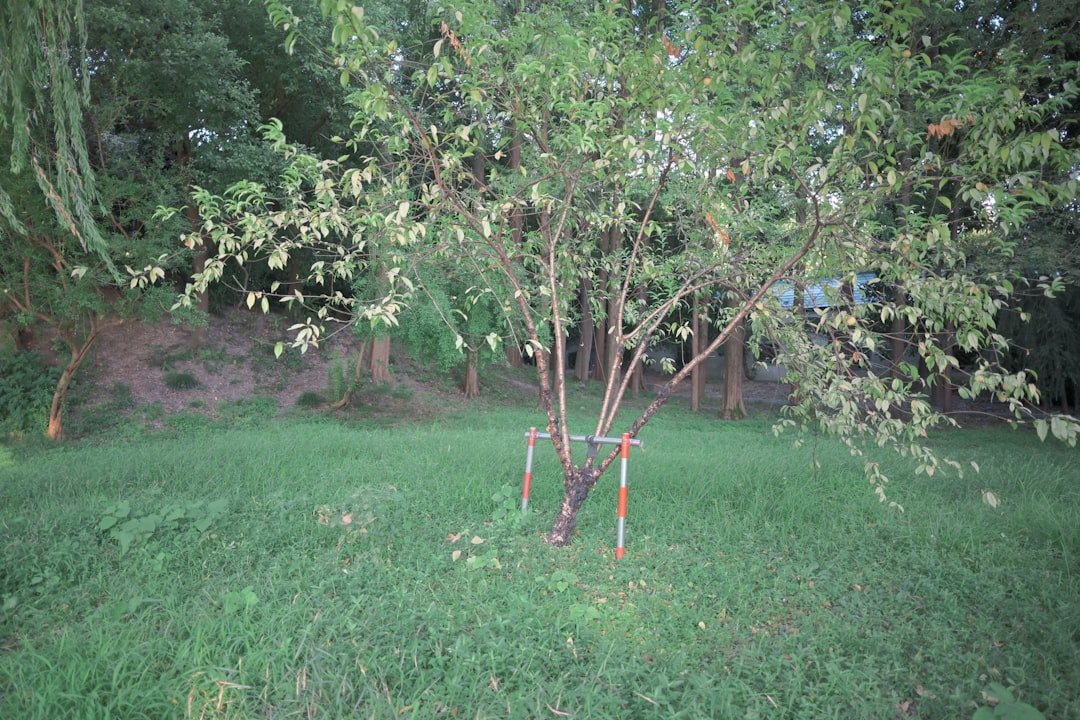
Stimulating tree branch growth is not a one-time event but rather an ongoing commitment to holistic tree care. After initial stimulation through pruning and optimizing environmental conditions, consistent monitoring and maintenance are essential for long-term success. Regularly inspect your tree for signs of nutrient deficiencies, pest infestations, or disease, addressing issues promptly to prevent setbacks. Young, newly formed branches are often delicate and may benefit from light guidance or temporary staking to establish strong angles and prevent breakage. For mature trees, a cycle of renewal pruning over several years can progressively invigorate older wood and encourage new growth while maintaining the tree’s size and shape. In some specialized horticultural contexts, plant growth regulators (PGRs) might be used to precisely control growth, though their application requires expert knowledge and careful consideration of potential side effects. Ultimately, understanding your specific tree species’ growth habits, its natural form, and its individual needs will inform the most effective long-term strategies, ensuring a healthy, beautifully branched tree for years to come.
Encouraging vigorous new branch growth in trees is a nuanced process that marries horticultural science with attentive care. We’ve explored how understanding the tree’s inherent physiological mechanisms, particularly apical dominance and the role of hormones like auxin and cytokinin, provides the foundational knowledge. Building on this, strategic pruning techniques, such as heading cuts and notching, emerge as powerful tools to redirect the tree’s energy and stimulate dormant buds into action. Crucially, these efforts must be underpinned by optimal environmental conditions—healthy soil, consistent watering, balanced nutrition, and adequate sunlight—all of which collectively empower the tree to respond robustly. From these fundamental principles, we move to the understanding that consistent, informed, long-term care is what truly sustains growth and ensures the tree develops into its desired form. By embracing this holistic and informed approach, you are not just growing branches; you are fostering a healthier, more beautiful, and structurally sound tree that will thrive for seasons to come. Your commitment to these practices will be visibly rewarded in the vibrancy and vitality of your arboreal companions.
Image by: Ankan Das