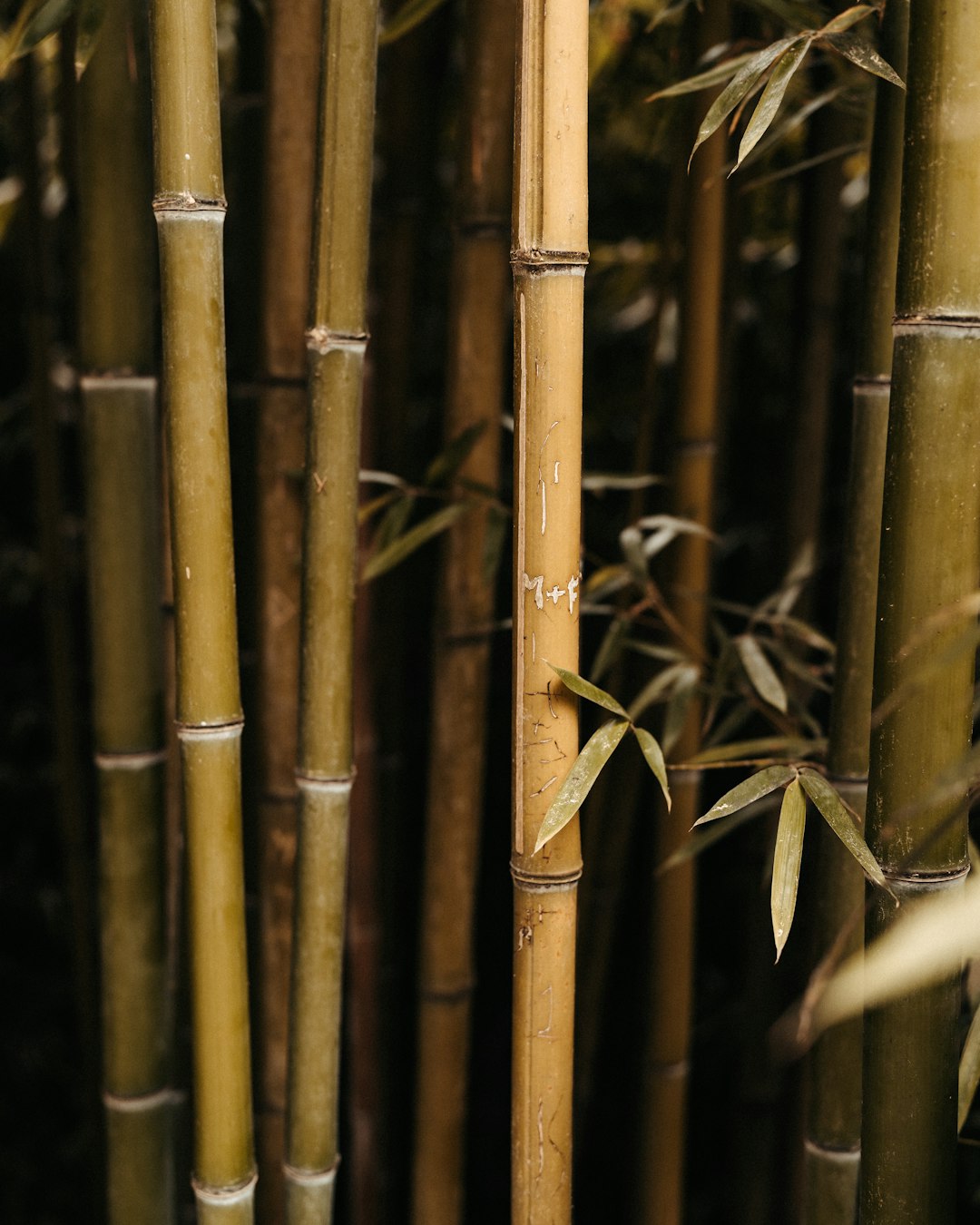
The allure of bamboo, with its rapid growth and elegant presence, makes it a coveted addition to many landscapes. However, for those gardening in sandy regions, a critical question often arises: can you grow bamboo in sand? This isn’t just a matter of digging a hole and planting; sandy soils present unique challenges that can significantly impact a plant’s ability to thrive. From rapid drainage to nutrient leaching, the very nature of sand seems at odds with what many plants, including certain bamboo species, require for optimal development. This article will delve into the specifics of bamboo’s soil preferences, explore the inherent difficulties presented by sandy environments, and crucially, outline practical strategies and considerations for cultivating this magnificent plant successfully, even when facing less-than-ideal soil conditions.
Understanding bamboo’s fundamental soil needs
Bamboo, while often perceived as robust, possesses specific soil requirements to flourish. Ideally, it prefers a well-draining, loamy soil that is rich in organic matter. This type of soil offers a perfect balance: it retains sufficient moisture for the plant’s extensive root system while also allowing excess water to drain away, preventing waterlogging which can lead to root rot. A healthy loam also provides ample aeration, crucial for root respiration, and possesses a good cation exchange capacity, meaning it can hold onto essential nutrients. The pH preference for most bamboo species ranges from slightly acidic to neutral, typically between 6.0 and 7.0. These conditions support the vigorous growth bamboo is known for, facilitating nutrient uptake and robust rhizome development, whether it’s a clumping or running variety. Deviations from these ideal conditions can stress the plant, hindering its growth and overall health.
The inherent challenges of sandy soil for bamboo cultivation
Sandy soil, by its very composition, presents a stark contrast to bamboo’s preferred growing medium. Its coarse particles lead to several critical issues. Firstly, drainage is often too efficient. While good drainage is desirable, sand allows water to pass through rapidly, depriving bamboo’s roots of consistent moisture retention. This necessitates frequent watering, making it a labor-intensive endeavor. Secondly, sandy soils are notoriously poor at retaining nutrients. Essential minerals and organic compounds, vital for bamboo’s vigorous growth, are easily leached away with irrigation or rainfall. This low cation exchange capacity means that even if nutrients are applied, they may not remain available to the plant for long. Thirdly, sandy soil often lacks the organic matter that provides structure, aeration, and beneficial microbial activity found in healthier loams. This combination of poor water retention, nutrient scarcity, and lack of organic structure makes it a challenging environment for most bamboo species to establish and thrive without significant intervention.
Transforming sandy soil: practical strategies for successful bamboo growth
Cultivating bamboo in sandy soil isn’t impossible, but it demands proactive soil amendment. The primary goal is to improve water retention, nutrient holding capacity, and overall soil structure. The most effective strategy involves generously incorporating organic matter. Materials like compost, well-rotted manure, peat moss, or coco coir should be mixed thoroughly into the planting area. A ratio of 30-50% organic matter to existing sand is a good starting point for the top 12-18 inches of soil. This creates a richer, more retentive medium.
Here’s a comparison of soil properties:
| Property | Ideal Loamy Soil | Sandy Soil | Amended Sandy Soil (Goal) |
|---|---|---|---|
| Water Retention | Good | Poor (too fast) | Improved (moderate) |
| Nutrient Retention | Excellent | Poor | Good |
| Organic Matter | High | Low | High |
| Aeration | Good | Excellent (sometimes too much) | Good |
| pH Range | 6.0 – 7.0 (Slightly acidic to neutral) | Variable (often higher) | Adjusted to target 6.0 – 7.0 |
Beyond amendments, selecting appropriate bamboo varieties is key. Some clumping bamboos, such as certain Fargesia species or some Bambusa varieties, are more tolerant of less-than-ideal conditions, though sandy soil will still require modification. Researching species known for adaptability is vital.
Long-term care and maintenance for bamboo in sandy environments
Once your bamboo is planted in amended sandy soil, ongoing care is crucial for its survival and growth. Watering is paramount; due to increased drainage, bamboo in sandy soil will require more frequent irrigation than those in loam. Monitor soil moisture regularly and water deeply when the top few inches feel dry, especially during establishment and dry spells. Fertilization must be consistent. Since nutrients leach easily, a slow-release granular fertilizer or regular applications of a balanced liquid fertilizer formulated for turf or general-purpose plants will be necessary. Supplementing with compost tea or liquid seaweed extracts can also provide beneficial micronutrients. Mulching is another indispensable practice. A thick layer of organic mulch (3-4 inches) like wood chips, straw, or pine needles will help retain soil moisture, suppress weeds, moderate soil temperature, and slowly break down to replenish organic matter and nutrients over time. Regularly replenishing this mulch layer will continually improve the soil structure and reduce watering frequency, ensuring your bamboo thrives even in its amended sandy home.
The question of whether one can grow bamboo in sand, while seemingly straightforward, reveals a complex interplay of horticultural principles. As we’ve explored, sandy soils present significant hurdles: their rapid drainage leads to insufficient moisture retention, and their low organic content struggles to hold vital nutrients. However, the answer isn’t a definitive “no.” With diligent effort and strategic intervention, it is indeed possible to cultivate healthy bamboo plants even in these challenging conditions. The key lies in proactive soil amendment by incorporating generous amounts of organic matter, selecting bamboo varieties known for their adaptability, and committing to a rigorous regimen of watering, consistent fertilization, and regular mulching. These practices collectively transform the hostile sandy environment into a more hospitable home for bamboo. While demanding more attention than planting in ideal loam, the reward is a thriving, beautiful stand of bamboo, demonstrating that with understanding and persistent care, nature’s challenges can often be overcome.
Image by: Cate Brodersen