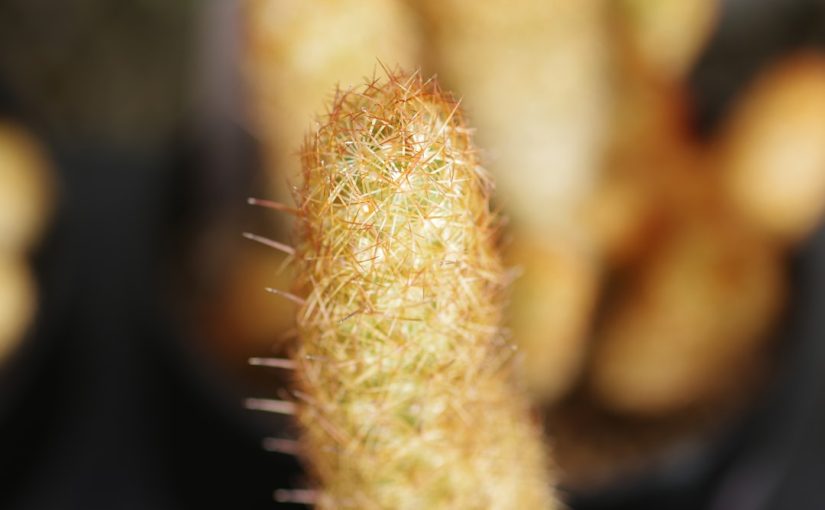
The hardy prickly pear cactus, with its iconic paddle-shaped pads and vibrant blooms, is a symbol of desert resilience and an incredibly rewarding plant to cultivate. If you have ever admired these unique succulents and wished to grow your own, you are in luck. Propagating prickly pear from cutoffs, also known as cladodes, is surprisingly straightforward and offers a sustainable way to expand your garden or share with fellow enthusiasts. This method bypasses the complexities of seed germination, allowing you to establish new plants quickly and efficiently. By following a few simple yet crucial steps, you can transform a single pad into a thriving new cactus, bringing a touch of the desert’s enduring beauty to your own landscape.
Selecting and preparing your cuttings
The journey to a new prickly pear cactus begins with choosing the right material for propagation. Look for healthy, mature pads – these are the flat, paddle-like segments of the cactus. Avoid any pads that show signs of disease, damage, or insect infestation. A good pad should be firm to the touch and vibrant in color. When selecting, consider taking a pad that is at least a year old, as these tend to root more successfully than very young, tender pads. Using a sharp, sterilized knife or pruning shears, carefully sever a pad from the parent plant. Make a clean cut at the joint where the pad attaches to another pad or to the main stem. This minimizes damage to both the parent plant and the cutting.
Once you have your cutting, the most critical next step is callusing. This process involves allowing the cut surface to dry and form a protective layer, much like a scab on a wound. Callusing prevents rot when the pad is planted and is essential for successful rooting. Place the severed pads in a dry, well-ventilated area away from direct sunlight. A garage, a shaded porch, or even indoors on a countertop can work. The callusing period typically lasts from one to three weeks, depending on the humidity and temperature. Larger pads or those in more humid environments may take longer. You will know the pad is ready when the cut end has dried out, hardened, and looks sealed. During this time, resist the urge to water or plant the pads.
The right soil and container for success
Proper soil and container choice are paramount for prickly pear cuttings to thrive. Prickly pears are desert plants, meaning they absolutely require excellent drainage. Heavy, water-retentive soils will inevitably lead to rot, a common pitfall for new growers. A specialized cactus or succulent potting mix is an ideal choice, as these are formulated to provide the necessary aeration and drainage. If you prefer to mix your own, a good general recipe includes a significant proportion of inorganic materials.
Here is a basic soil mix recommendation:
| Soil Component | Purpose | Approximate Ratio |
| Quality Potting Soil (low peat) | Base, some nutrients | 30% |
| Coarse Sand or Horticultural Grit | Enhances drainage, adds weight | 40% |
| Perlite or Pumice | Further aeration, prevents compaction | 30% |
For containers, always opt for pots with ample drainage holes at the bottom. Terracotta pots are often preferred because their porous nature allows for better airflow to the roots and helps the soil dry out more quickly than plastic pots. Choose a pot that is only slightly larger than the pad itself, perhaps 6 to 8 inches in diameter for an average-sized pad. While direct ground planting is an option in suitable climates, starting in a container allows for more controlled conditions and easier relocation if needed. If planting directly in the ground, ensure the chosen spot has naturally well-draining soil, perhaps by amending with plenty of grit and sand if your native soil is heavy clay.
Planting your callused pads
With your pads properly callused and your soil and container ready, it is time for the exciting step of planting. The goal is to provide enough stability for the pad to root without burying it too deeply, which could encourage rot. Fill your chosen container with the well-draining cactus mix, leaving about an inch or two from the rim. For most prickly pear pads, you will want to plant them just deep enough to stand upright on their own, typically burying about one-third to one-half of the pad’s lower edge into the soil. You can gently press the soil around the base to secure it.
If you are working with particularly large or heavy pads, they may struggle to remain upright initially. In such cases, you can use stakes or rocks placed around the base to provide temporary support until roots develop and anchor the plant. After planting, do not water immediately. This is a critical step that many new growers overlook. Waiting a few days to a week after planting allows any minor abrasions from the planting process to heal and further reduces the risk of rot. Place the newly planted pads in a location that receives full sun; prickly pears thrive in bright light and warmth. An ideal temperature range for rooting is between 70-90°F (21-32°C).
Post-planting care and root development
Once your prickly pear pads are planted, the initial care regimen is minimal but crucial for successful root development. As mentioned, hold off on watering for several days to a week after planting. After this initial dry period, water sparingly. A common mistake is overwatering, which is the leading cause of failure for cacti cuttings. Water thoroughly until water drains from the bottom of the pot, then allow the soil to dry out completely before watering again. Depending on your climate and the time of year, this could mean watering every 2-4 weeks, or even less frequently during cooler months.
Patience is key during the rooting phase. It can take anywhere from a few weeks to several months for new roots to form. You will not see the roots directly, but signs of successful rooting include new growth appearing on the pad, such as small new pads or even flower buds. Another indicator is resistance when you gently try to wiggle the pad; if it feels anchored, it has likely rooted. During this time, avoid fertilizing, as the new plant is focusing its energy on root production. Once the plant is firmly rooted and shows robust new growth, you can begin a very light feeding schedule with a balanced, diluted cactus fertilizer during its active growing season (spring and summer). Continue to provide full sun and ensure excellent drainage to foster a healthy, thriving prickly pear cactus.
Propagating prickly pear cactus from cutoffs is a remarkably simple and gratifying process that yields resilient, beautiful plants. From selecting healthy, mature pads and allowing them to thoroughly callus, to providing the perfect well-draining soil and container, each step contributes to the success of your new cactus. Planting the callused pads just deep enough for stability, followed by a careful, infrequent watering schedule, creates the ideal environment for root development. With a little patience, you will soon observe the exciting signs of new growth, confirming the establishment of a robust, independent plant. This method not only offers an easy way to expand your own garden but also connects you to the natural world’s incredible capacity for regeneration. By embracing these straightforward techniques, anyone can successfully cultivate their own prickly pear, adding a touch of sustainable desert charm to any landscape.
Image by: Naoki Suzuki