Cultivating succulent blackberries in your home garden can be an incredibly rewarding endeavor, but achieving bountiful harvests requires more than just planting and watering. One of the most effective, yet often overlooked, practices for thriving blackberry plants is proper mulching. A well-chosen mulch acts as a protective blanket, offering a myriad of benefits from suppressing persistent weeds and conserving precious soil moisture to moderating soil temperatures and enriching the soil structure over time. This article will guide you through the various options, helping you select the ideal mulch that will set your blackberry patch up for success, ensuring healthier plants and an abundance of delicious fruit.
Understanding the benefits of mulching for blackberries
Mulching is far more than just an aesthetic touch in the garden; it is a foundational practice for promoting the health and productivity of your blackberry plants. The primary role of mulch is to create a barrier between the soil and the elements, and in doing so, it delivers several crucial advantages. Firstly, it provides excellent weed suppression. Weeds compete with blackberries for water, nutrients, and sunlight, often reducing fruit yield and plant vigor. A good layer of mulch effectively smothers these unwanted plants, significantly reducing the need for manual weeding.
Secondly, mulch is a powerful ally in moisture conservation. By covering the soil surface, it reduces evaporation, meaning less frequent watering is required, especially during dry spells. This consistent soil moisture is vital for blackberry plants, which are relatively shallow-rooted and highly susceptible to drought stress, directly impacting berry size and juiciness. Thirdly, mulch helps to regulate soil temperature. It keeps the soil cooler in the heat of summer, protecting the roots from extreme temperatures, and conversely, it insulates the soil in winter, safeguarding the root system from harsh frosts. Finally, organic mulches decompose over time, gradually releasing essential nutrients back into the soil, improving its structure, aeration, and overall fertility, creating a more robust environment for your blackberry canes.
Organic mulches – nourishing your plants naturally
When it comes to selecting the best mulch for blackberries, organic materials are generally the preferred choice due to their dual benefits of protection and soil enrichment. These materials break down over time, adding valuable organic matter to your soil, which enhances its fertility, water retention, and microbial activity. Here are some of the top organic options:
- Wood chips (arborist chips): These are an excellent long-term option. They decompose slowly, providing consistent benefits for an extended period. They are particularly effective at suppressing weeds and retaining moisture. While fresh wood chips can temporarily tie up nitrogen as they decompose, this effect is usually minimal with established plants, especially if applied on top of the soil and not tilled in. Aged wood chips or those from mixed deciduous trees are ideal.
- Straw: Not to be confused with hay (which often contains weed seeds), clean straw is a lightweight, effective mulch. It excels at moisture retention and temperature regulation. Straw is particularly useful for establishing new blackberry plants and can be easily replenished. It decomposes relatively quickly, so annual reapplication is necessary, but it rapidly improves soil structure.
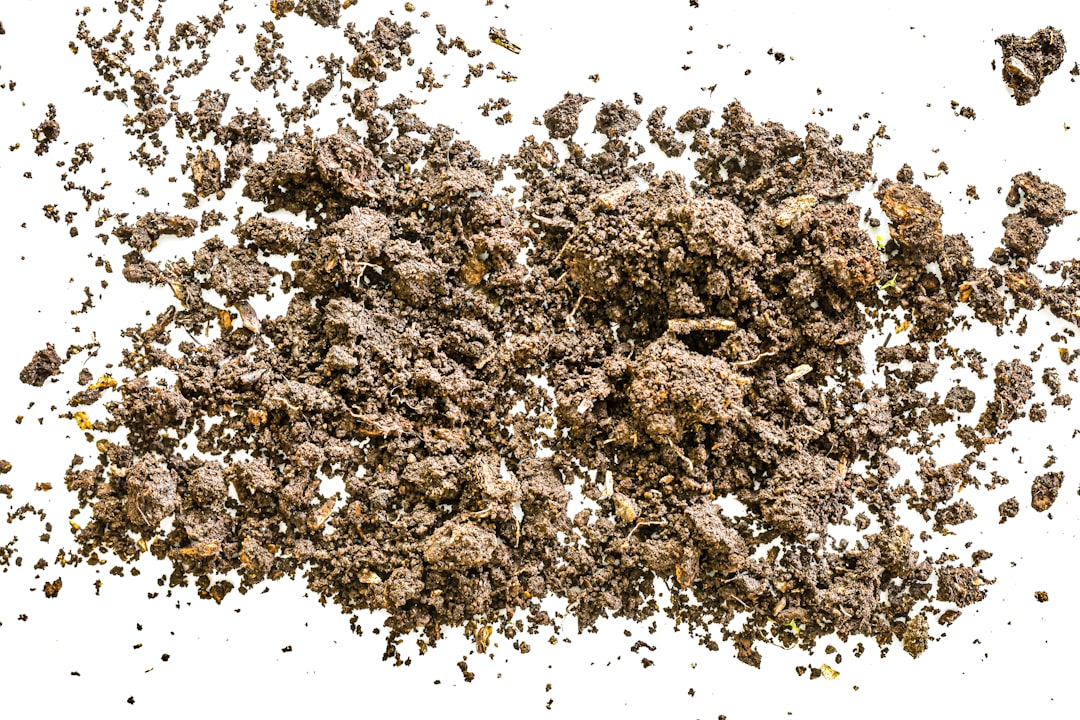
- Compost: A layer of well-rotted compost is essentially a nutrient-rich mulch. It instantly boosts soil fertility, improving the overall health and vigor of your blackberry plants. While it might not offer the same long-term weed suppression as wood chips, it’s unparalleled for adding immediate nutrition and improving soil structure. Using compost as an initial layer under another mulch type can be highly beneficial.
- Pine needles: For those looking to maintain a slightly acidic soil environment, pine needles are a fantastic choice. They break down slowly, offering long-lasting weed suppression and moisture retention. They also create a natural-looking, loose layer that allows for good air and water penetration.
- Shredded leaves: If you have an abundance of fall leaves, shredding them and using them as mulch is a cost-effective and environmentally friendly option. They decompose well, adding organic matter, and provide good weed control and moisture retention. Ensure they are shredded to prevent matting, which can impede water penetration.
Here’s a quick comparison of popular organic mulches for blackberries:
| Mulch type | Key benefits | Considerations | Application notes |
|---|---|---|---|
| Wood chips | Long-lasting weed suppression, excellent moisture retention, soil temperature regulation | Slow decomposition, fresh chips may temporarily deplete nitrogen | Apply 2-4 inches deep, keep away from cane base |
| Straw | Superior moisture retention, good weed control, improves soil quickly | Decomposes faster, requires annual replenishment, ensure it’s weed-free | Apply 3-6 inches deep, easy to apply and remove |
| Compost | Rich in nutrients, improves soil fertility and structure, good moisture retention | May not offer long-term weed suppression on its own, can be costly | Apply 1-2 inches as a top-dressing or under other mulch |
| Pine needles | Slightly acidifying, good moisture retention, aesthetic appeal, slow decomposition | Can be difficult to source in large quantities, best for established plants | Apply 2-3 inches deep, good for areas needing slight pH adjustment |
Application techniques and best practices
Even the best mulch won’t perform optimally without correct application. The depth and placement of your chosen material are critical for maximizing benefits and avoiding potential problems. Aim for a mulch layer that is generally 2 to 4 inches deep. This depth is sufficient to suppress most weeds, conserve moisture effectively, and regulate soil temperature without suffocating the soil or encouraging pests.
When applying mulch, it is crucial to keep it a few inches away from the base of the blackberry canes. Piling mulch directly against the plant stems, often called “volcano mulching,” can create a damp environment that encourages rot, fungal diseases, and provides a haven for pests like voles and slugs. A small ring of bare soil around each cane allows for better air circulation and prevents these issues. The best time to apply mulch is in the spring, after the soil has begun to warm up and any early weeds have been removed. This timing ensures the soil is at an optimal temperature for root growth before being insulated. For organic mulches, plan on replenishing the layer annually, or every two years for slower-decomposing materials like wood chips, to maintain the desired depth and continuous benefits.
Choosing the right mulch for your blackberries is an investment in their long-term health and productivity. From suppressing bothersome weeds and conserving vital soil moisture to regulating temperature and enriching the very foundation of your plants’ growth, mulch offers an array of benefits that directly translate into more vigorous canes and, ultimately, a more abundant harvest of delicious fruit. While inorganic options exist, the overwhelming advantages of organic mulches – notably their ability to improve soil structure and fertility as they decompose – make them the superior choice for nearly all blackberry growers. Whether you opt for the slow, steady release of nutrients from wood chips, the excellent moisture retention of straw, or the immediate soil boost from compost, proper application is key. By maintaining a consistent 2 to 4-inch layer, keeping it clear of the cane bases, and replenishing it as needed, you will create an optimal growing environment. Embrace mulching as an essential part of your blackberry care routine, and watch your plants flourish, rewarding your efforts with a season full of sweet, juicy berries.
Image by: Alexey Demidov