The remarkable Paulownia tree, often hailed as the “Empress Tree” or “Kiri,” has garnered significant attention in various industries, from timber production and woodworking to sustainable agriculture. Known for its incredibly rapid growth, lightweight yet strong wood, and beautiful blossoms, Paulownia offers a myriad of benefits. However, as homeowners and enthusiasts explore its diverse applications, a common question arises: can you burn Paulownia wood? This inquiry delves into its properties as a potential fuel source, examining its heat output, burn characteristics, and safety considerations. Understanding whether Paulownia is a viable option for your fireplace or wood stove requires a closer look at its unique composition and how it compares to more traditional firewood.
Understanding Paulownia’s properties as a fuel
Paulownia wood possesses several distinctive characteristics that set it apart from many other timber species, particularly when considering its potential as a fuel source. Its most striking feature is its incredibly rapid growth rate, allowing it to reach harvestable size in just 5-7 years, which makes it an appealing option for sustainable forestry. This fast growth contributes to its relatively low density. Unlike hardwoods such as oak or maple, Paulownia is remarkably lightweight, often compared to balsa wood in terms of heft. A cord of Paulownia wood will weigh significantly less than a cord of oak, for instance.
The density of wood is a primary indicator of its energy content per volume. Denser woods pack more cellulose and lignin into the same space, translating to higher heat output per log or cord. While Paulownia’s low density means it will produce less BTU (British Thermal Units) per cubic foot compared to dense hardwoods, it also tends to have a lower natural moisture content even when green. When properly seasoned, Paulownia can dry exceptionally quickly, often reaching optimal burning moisture levels (typically below 20%) in a shorter timeframe than denser woods. This quick drying ability is a significant advantage, as wet wood burns inefficiently, produces more smoke, and contributes to creosote buildup.
To illustrate the difference in density and potential heat output, consider the following approximate values for seasoned wood:
| Wood Type | Approximate Density (lb/cu ft) | Approximate BTU per Cord |
|---|---|---|
| Paulownia | 16-18 | 12-15 million |
| Oak (Red) | 37-39 | 24-28 million |
| Pine (White) | 25-27 | 17-20 million |
Note: These values are approximations and can vary based on species, moisture content, and specific growing conditions.
The heat output and efficiency of Paulownia wood
Delving deeper into Paulownia’s performance as a fuel, its heat output and efficiency are directly linked to its lower density. As shown in the table above, a cord of Paulownia wood will yield fewer BTUs than a cord of traditional hardwoods. This means that while Paulownia will burn, it will not provide the same sustained, intense heat as denser woods. Instead, Paulownia is characterized by a rapid ignition and a relatively fast burn rate. It catches fire easily and burns quickly, producing a good flame but for a shorter duration.
This rapid burn rate can be both an advantage and a disadvantage. On the positive side, Paulownia makes excellent kindling and is ideal for starting fires quickly. Its low density and porous structure allow flames to spread through it with ease. It’s also suitable for applications where a quick burst of heat is desired, such as warming a space for a short period or for outdoor fire pits. The relatively low resin content in Paulownia compared to some softwoods also contributes to a cleaner burn, potentially resulting in less creosote buildup in chimneys, provided the wood is well-seasoned.
However, the rapid consumption of Paulownia wood means that more frequent loading of the firebox will be necessary to maintain a consistent heat output. This can be less convenient for those seeking long, overnight burns in a wood stove. It’s not the ideal choice if you want to load your stove and forget it for several hours. For optimal efficiency and a more balanced burn, some users find success by mixing Paulownia with denser hardwoods. Paulownia can serve as the starter and rapid heat provider, while the hardwoods offer the sustained, longer-lasting warmth.
Safety considerations and best practices for burning Paulownia
Regardless of the wood type, safety should always be the paramount concern when operating a fireplace or wood stove. When burning Paulownia wood, several key practices must be observed to ensure a safe and efficient experience.
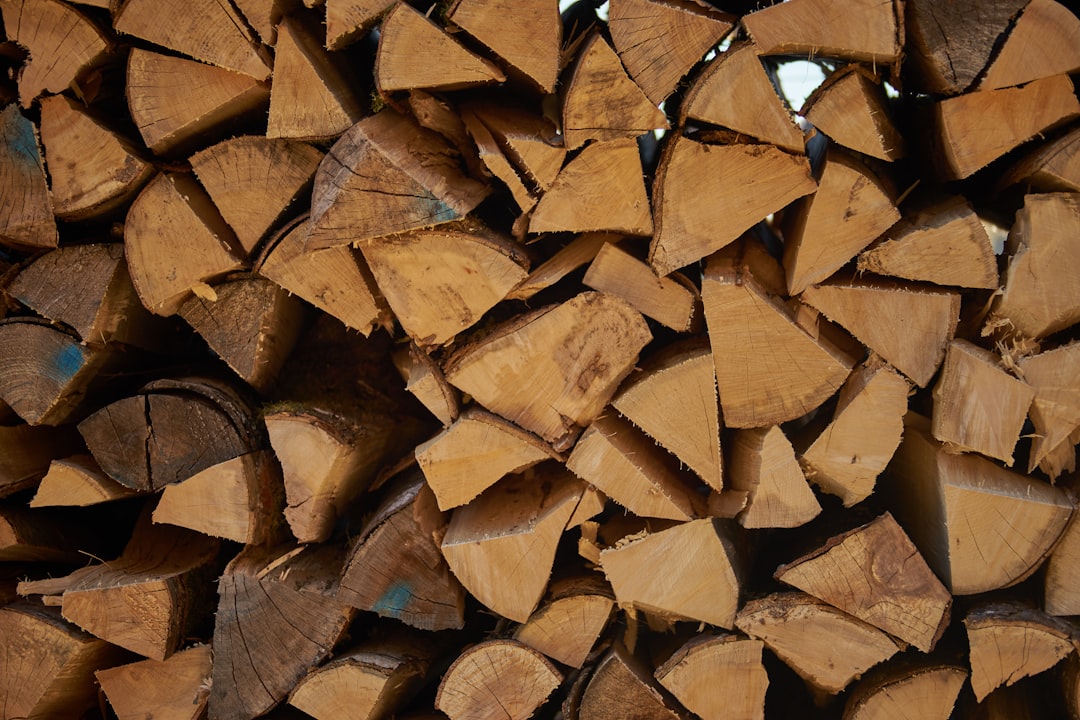
- Proper Seasoning: This is perhaps the most critical factor. Even though Paulownia dries quickly, it must be seasoned to below 20% moisture content. Burning wet or “green” Paulownia, like any other wood, will produce excessive smoke, creosote, and very little heat. Seasoning involves cutting, splitting, and stacking the wood in a well-ventilated, covered area for typically 6-12 months.
- Appliance Compatibility: Ensure your burning appliance (wood stove, fireplace insert, outdoor fire pit) is rated for burning wood. Follow the manufacturer’s guidelines for operation and maintenance.
- Chimney Maintenance: Regular chimney inspections and cleaning are crucial. While Paulownia tends to burn cleaner than some woods, creosote can still accumulate. A professional chimney sweep should inspect and clean your chimney annually, especially if you burn frequently.
- Carbon Monoxide Detectors: Install and maintain working carbon monoxide detectors on every level of your home, particularly near sleeping areas. This is a non-negotiable safety measure for any wood-burning household.
- Fire Safety: Keep a fire extinguisher readily available. Ensure there are no flammable materials near the stove or fireplace. Store ashes safely in a metal container with a tight-fitting lid, away from combustible materials, for at least 72 hours before disposal.
- Safe Storage: Store seasoned Paulownia wood off the ground and away from the exterior walls of your home to prevent pest infestations and moisture absorption.
By adhering to these safety guidelines, you can safely enjoy the warmth provided by Paulownia wood, leveraging its quick-burning properties without compromising the well-being of your home or family.
Advantages and disadvantages of using Paulownia as firewood
Considering Paulownia as a fuel source involves weighing its unique benefits against its limitations. Understanding these can help you decide if it’s the right choice for your specific heating needs.
Advantages:
- Rapid Drying: Paulownia seasons exceptionally quickly, often ready to burn in a fraction of the time required for hardwoods. This means less waiting from cutting to burning.
- Excellent Kindling: Its low density and quick ignition make it ideal for starting fires, helping to get other, denser woods burning efficiently.
- Lightweight and Easy to Handle: Paulownia logs are remarkably light, making them easy to cut, split, stack, and transport, which can be a significant ergonomic benefit.
- Low Ash Content: Paulownia tends to produce relatively little ash, simplifying cleanup and reducing the frequency of ash removal from your stove or fireplace.
- Sustainable Resource: Its incredibly fast growth rate makes it a highly sustainable option. If grown locally, it can significantly reduce the carbon footprint associated with transporting firewood.
- Clean Burn: When properly seasoned, Paulownia burns with a clean flame and produces minimal smoke, which can contribute to less creosote buildup.
Disadvantages:
- Lower BTU per Cord: Due to its low density, a cord of Paulownia yields less total heat than a cord of hardwoods, meaning you’ll need more volume to achieve the same heating capacity.
- Fast Burn Rate: Paulownia burns quickly, necessitating more frequent loading of the firebox. This makes it less ideal for long, overnight burns where sustained heat is desired without constant attention.
- Not for Primary Heating: While it provides heat, its characteristics make it less suitable as a primary, sole heating source for cold climates, especially compared to dense hardwoods that provide longer-lasting embers.
- Availability: Depending on your region, Paulownia wood may not be as readily available as traditional firewood species, which could impact its cost and accessibility.
Ultimately, Paulownia wood fits a niche within the firewood spectrum. It excels as a quick-starting, easy-to-handle, and clean-burning option, best used for supplemental heat, outdoor fires, or in combination with slower-burning woods.
In conclusion, the answer to “Can you burn Paulownia wood?” is a resounding yes, but with an important understanding of its unique characteristics as a fuel. Paulownia wood is a viable and often advantageous option for burning, particularly due to its rapid drying capabilities, lightweight nature, and clean burn. It serves exceptionally well as kindling and for situations requiring quick heat, such as starting fires or warming a space for a short duration. However, its lower density and fast burn rate mean it won’t provide the same prolonged, intense heat as denser hardwoods like oak or maple, necessitating more frequent loading of your stove or fireplace.
The key to safely and efficiently burning Paulownia, like any wood, lies in proper seasoning and adherence to established fire safety practices. Ensuring the wood is dried to below 20% moisture content is paramount to maximize its heat output and minimize smoke and creosote production. When used thoughtfully, perhaps in combination with slower-burning woods, Paulownia can be a valuable and sustainable addition to your firewood supply. Homeowners should weigh its advantages, such as ease of handling and rapid drying, against its limitations in sustained heat output to make an informed decision for their heating needs.
Image by: Aurora K