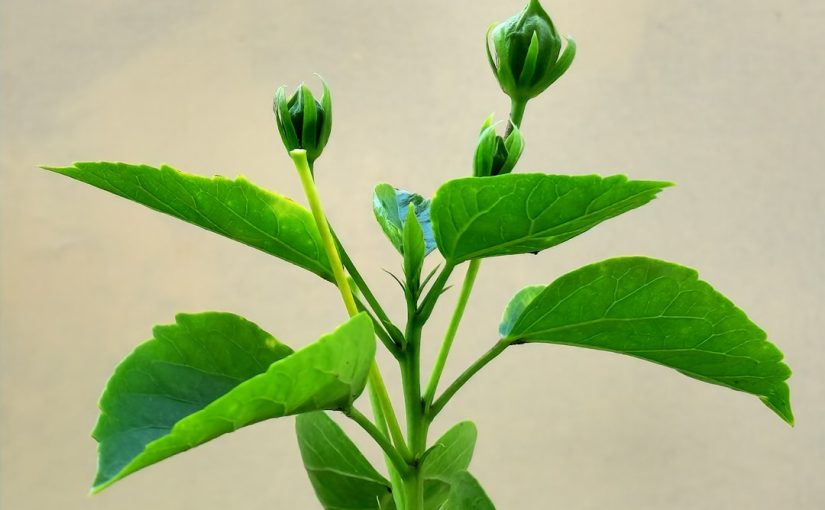
Navigating the world of natural hair and skin care can often feel like deciphering a complex botanical dictionary. Among the many plant-based ingredients gaining popularity, two names frequently surface, causing considerable confusion: Cassia Obovata and Cassia Auriculata. While both are members of the extensive Cassia genus and are heralded for their beneficial properties, particularly in hair care, they are distinct plants with unique chemical profiles and, consequently, different applications and outcomes. This article aims to demystify these two botanical powerhouses, exploring their individual characteristics, traditional uses, and the specific ways they interact with hair and skin, providing clarity for anyone looking to harness their natural potential.
Unraveling their botanical identities and origins
To truly understand the differences between Cassia Obovata and Cassia Auriculata, it’s essential to first establish their botanical identities. Both belong to the Fabaceae family, commonly known as the legume family, but they are distinct species within the Senna genus (which was formerly included in Cassia). Cassia Obovata is often referred to as ‘Neutral Henna’ or ‘Senna Obovata’. Despite its misleading common name, it is not henna (Lawsonia inermis) and does not contain lawsone, the pigment responsible for henna’s red dye. It is primarily found in arid and semi-arid regions of Africa and Asia, thriving in dry climates. Traditionally, it has been used for its conditioning properties and, in some cultures, for its mild laxative effects, though its cosmetic application far outweighs its internal use in modern contexts.
On the other hand, Cassia Auriculata is known by various names such as ‘Avaram Senna’, ‘Tanner’s Cassia’, or ‘Ranawara’. This species is native to India and Sri Lanka, where it has been a cornerstone of Ayurvedic and Siddha medicine for centuries. Unlike Cassia Obovata, Cassia Auriculata is traditionally recognized more for its medicinal uses, particularly in treating skin conditions, diabetes, and as a cooling agent, rather than primarily for hair coloring. Its distinctive bright yellow flowers are also often used in traditional ceremonies and for making refreshing beverages.
Divergent chemical compositions and their impact
The core distinction between these two plants lies in their primary active chemical constituents, which dictate their respective cosmetic and medicinal effects. Cassia Obovata is rich in anthraquinones, particularly chrysophanic acid. This compound is a mild yellow pigment, which is responsible for the subtle golden or blonde tint that Cassia Obovata can impart to very light-colored hair, such as grey, white, or light blonde. It does not contain lawsone, the reddish dye molecule found in true henna, and therefore cannot dye darker hair shades or impart a red hue. Its main role in hair care is as a strengthening, conditioning, and volumizing treatment, with the color aspect being a secondary, and often desired, side effect for specific hair colors.
In contrast, Cassia Auriculata contains a significant concentration of tannins, flavonoids, and various other glycosides. Tannins are polyphenolic compounds known for their astringent properties, which make Cassia Auriculata an excellent natural conditioner and scalp treatment. These tannins can help tighten pores, reduce oiliness, and add shine and manageability to hair. Crucially, Cassia Auriculata does not contain chrysophanic acid in significant amounts, nor does it contain lawsone. Therefore, it does not impart any color to the hair, regardless of the hair’s starting shade. Its value is purely in its conditioning, strengthening, and scalp-benefiting properties.
Applications in hair care: distinct results
Understanding their chemical differences allows us to pinpoint their specific applications and the results one can expect in hair care. When using Cassia Obovata, particularly on lighter hair shades (blonde, grey, white), users can anticipate several benefits. Firstly, it acts as an excellent hair conditioner, adding shine, volume, and improving hair texture. It strengthens the hair shaft, reducing breakage and split ends. Secondly, and uniquely, it can deposit a very subtle golden or blonde sheen, enhancing natural light tones or helping to blend grey hairs without truly dyeing them. This makes it popular for those seeking a natural, non-permanent blonde enhancer or a mild conditioning treatment that subtly brightens light hair. For darker hair colors, Cassia Obovata will primarily act as a conditioner and strengthener, with no noticeable color change.
Cassia Auriculata, on the other hand, is a purely conditioning and strengthening treatment. It is frequently used in hair masks and washes to impart shine, softness, and improve manageability without any color alteration. Its high tannin content makes it particularly effective for scalp health, helping to balance oil production, soothe irritation, and promote a healthy environment for hair growth. It acts as a natural detangler and can add bounce and body to limp hair. It is an ideal choice for anyone looking for an herbal hair conditioner, regardless of hair color, who wants to avoid any form of tint or dye. Both are excellent natural alternatives to synthetic conditioners, offering myriad benefits without harsh chemicals.
Beyond hair: other traditional and practical uses
While both Cassia Obovata and Cassia Auriculata shine in hair care, their traditional uses extend beyond the cosmetic realm, further highlighting their distinct properties. Cassia Obovata, as mentioned, is botanically related to senna species known for their laxative properties. While the cosmetic powder is typically not used internally for this purpose, its plant family ties hint at its biochemical activity. Its primary non-hair care use is often in enhancing the appearance of the skin, where its conditioning effects can also be beneficial in certain herbal formulations, though less extensively than Cassia Auriculata.
Cassia Auriculata has a much broader range of traditional medicinal applications, particularly within Ayurvedic and Siddha systems. Due to its astringent and anti-inflammatory properties from tannins, it is widely used for skin ailments such as eczema, psoriasis, and wounds. Its flowers, leaves, and bark are traditionally prepared as decoctions or poultices. Furthermore, it has been used internally in traditional medicine for its purported benefits in managing blood sugar levels, as a diuretic, and for its cooling properties to reduce body heat. Its significant tannin content also earned it the name ‘Tanner’s Cassia’ as its bark was historically used in the leather tanning industry. The following table summarizes key differences:
| Feature | Cassia Obovata | Cassia Auriculata |
|---|---|---|
| Common Names | Neutral Henna, Senna Obovata | Avaram Senna, Tanner’s Cassia, Ranawara |
| Primary Active Compound | Chrysophanic acid | Tannins, Flavonoids |
| Hair Color Effect | Subtle golden/blonde tint on light hair; none on dark hair | None (no color change) |
| Main Hair Benefit | Conditioning, strengthening, volumizing, subtle brightening | Conditioning, strengthening, shine, scalp health, detangling |
| Other Uses | Mild skin conditioning | Traditional medicine (skin, diabetes, cooling), leather tanning |
| Traditional Origin | Africa, Asia (arid regions) | India, Sri Lanka |
Conclusion
In conclusion, while both Cassia Obovata and Cassia Auriculata are celebrated members of the Cassia genus offering impressive natural benefits, particularly for hair, they are fundamentally distinct plants with unique chemical profiles and applications. Cassia Obovata, often mistakenly called “Neutral Henna,” is rich in chrysophanic acid, providing conditioning, strength, and a subtle golden or blonde tint to light-colored hair. It’s the ideal choice for those seeking a natural hair treatment with a mild brightening effect without the strong dye properties of true henna. Conversely, Cassia Auriculata, or Avaram Senna, is packed with tannins, making it a powerful conditioner, detangler, and scalp treatment that imparts no color whatsoever. Its benefits extend to traditional medicinal uses for skin and overall well-being. Understanding these differences empowers consumers to make informed choices, selecting the appropriate botanical powder to achieve their desired hair care goals, whether it’s for a subtle color enhancement or purely for conditioning and strengthening.
Image by: The DK Photography