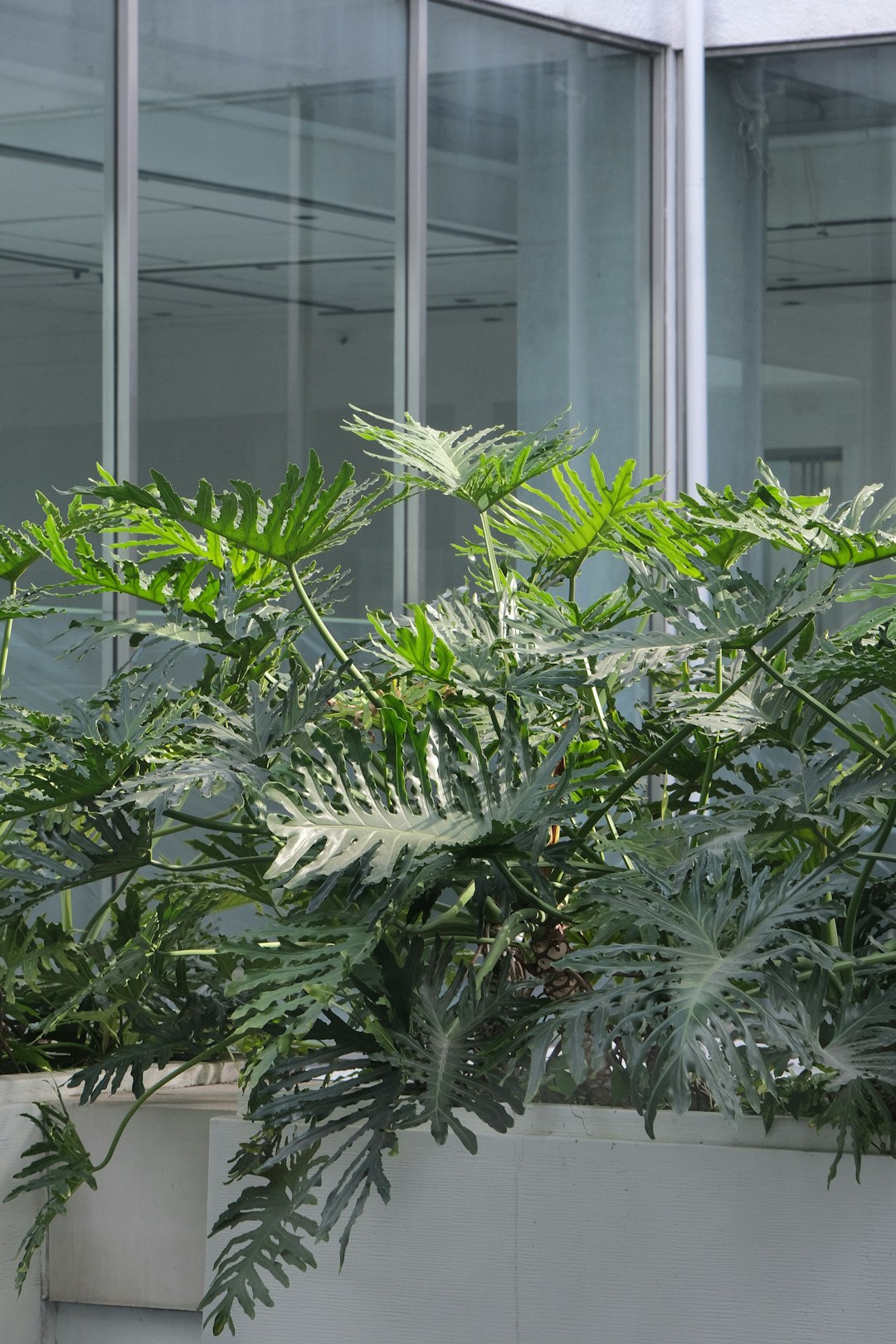
The Schefflera, often known as the umbrella tree, stands as a beloved fixture in many indoor plant collections, cherished for its lush foliage and relatively easy-going nature. However, even these resilient houseplants are not immune to a range of diseases and pests that can compromise their health and beauty. Understanding the common ailments that can afflict your Schefflera and, more importantly, knowing how to effectively treat and prevent them, is paramount to maintaining a vibrant and thriving plant. This article will delve into the various challenges Schefflera houseplants might face, from insidious insect infestations to pervasive fungal diseases and environmental stressors, equipping you with the knowledge to diagnose problems early and implement timely, effective cures.
Unwelcome guests: identifying and eradicating schefflera pests
Pest infestations are a common woe for many houseplants, and your Schefflera is no exception. Early detection is key to preventing minor annoyances from escalating into serious threats. Several types of insects are particularly fond of the umbrella tree’s tender leaves and stems, each leaving distinct signs of their presence.
Mealybugs are perhaps one of the most recognizable pests, appearing as small, white, cottony masses typically found in leaf axils or along stems. They feed by sucking plant sap, leading to stunted growth, yellowing leaves, and a sticky residue known as honeydew, which can then lead to sooty mold. Treatment involves dabbing individual mealybugs with a cotton swab dipped in rubbing alcohol, or for larger infestations, applying insecticidal soap or neem oil spray thoroughly to all plant surfaces.
Another common culprit is the spider mite, microscopic pests that thrive in dry conditions. Their presence is often first noticed by a fine webbing on the undersides of leaves or between stems, accompanied by tiny yellow or brown stipples on the foliage. Left unchecked, leaves will turn bronze and eventually drop. Increasing humidity around the plant and regularly misting with water can deter them, while more severe cases require repeated applications of horticultural oil or miticides.
Aphids are small, pear-shaped insects, often green, black, or brown, that cluster on new growth and leaf undersides. Like mealybugs, they extract sap and excrete honeydew, causing distorted leaves and stunted shoots. A strong spray of water can dislodge them, but insecticidal soap is effective for persistent populations.
Scale insects appear as small, immobile bumps on stems and leaves, often blending in with the plant’s natural texture. They too feed on sap and produce honeydew. Manual removal by gently scraping them off with a fingernail or a soft brush is effective for light infestations. Horticultural oil applied carefully can smother the more stubborn or widespread scale.
To aid in identifying and treating these common pests, here is a helpful guide:
| Pest Type | Common Symptoms | Effective Treatments |
|---|---|---|
| Mealybugs | White, cottony masses; sticky honeydew; yellowing leaves. | Rubbing alcohol swabs; insecticidal soap; neem oil. |
| Spider Mites | Fine webbing; tiny yellow/brown stipples; bronze leaves. | Increased humidity; water spray; horticultural oil; miticides. |
| Aphids | Small green/black bugs; distorted new growth; sticky honeydew. | Strong water spray; insecticidal soap. |
| Scale Insects | Small, immobile brown bumps on stems/leaves; sticky honeydew. | Manual scraping; horticultural oil. |
Battling fungal and bacterial ailments in your schefflera
Beyond pests, Schefflera plants can fall victim to various diseases, primarily caused by fungi or bacteria. These issues often stem from environmental conditions that are less than ideal, making prevention a critical component of plant health.
Root rot is arguably the most common and devastating disease for Schefflera, almost exclusively caused by overwatering. When the soil remains waterlogged, oxygen is depleted, leading to the decay of root tissues. Symptoms include sudden wilting, yellowing of lower leaves, a general lack of vigor, and a soft, mushy stem base. If suspected, gently remove the plant from its pot and inspect the roots. Healthy roots are firm and white; rotted roots are brown or black and feel slimy. Treatment involves pruning away all affected roots with sterilized shears, repotting into fresh, well-draining soil, and ensuring future watering practices allow the topsoil to dry out between waterings. Using a pot with ample drainage holes is non-negotiable.
Leaf spot diseases, which can be fungal or bacterial, manifest as dark, irregularly shaped spots on the leaves, sometimes with a yellow halo. These are often triggered by high humidity, poor air circulation, or water sitting on the leaves for extended periods. Pruning affected leaves can help prevent spread. Improving air circulation, avoiding overhead watering, and ensuring proper spacing between plants are key preventive measures. In severe cases, a fungicide or bactericide labeled for houseplants may be necessary, but environmental adjustments are usually more effective long-term.
Sooty mold, while not a disease itself, is a common consequence of pest infestations, particularly those that produce honeydew (like mealybugs, aphids, and scale). This black, powdery fungus grows on the sticky honeydew residue, blocking sunlight and hindering photosynthesis. The primary treatment for sooty mold is to eliminate the underlying pest problem. Once the pests are gone, the mold can often be gently wiped off the leaves with a damp cloth or a mild soapy solution.
Environmental woes: addressing physiological stress in schefflera
Often, a Schefflera’s health issues aren’t due to pests or pathogens but rather a response to unsuitable growing conditions. These physiological problems can mimic disease symptoms, making accurate diagnosis crucial. Understanding your plant’s environmental needs is paramount to resolving these issues.
One of the most frequent complaints is leaf drop. While some lower leaf shedding is natural for older leaves, sudden or excessive defoliation often signals stress. This can be triggered by abrupt changes in temperature, significant drafts, underwatering (causing leaves to crisp and fall), or overwatering (leading to root issues that prevent water uptake, also resulting in leaf drop). Consistent watering practices and stable environmental conditions are the best defense.
Yellowing leaves can point to several issues. Uniform yellowing across the plant, especially older leaves, might indicate underwatering or nutrient deficiency, particularly nitrogen. If yellowing is accompanied by wilting and soft stems, overwatering and root rot are likely culprits. Uneven yellowing or chlorosis between leaf veins can signify an iron deficiency, which is rare in well-maintained houseplants but can occur in alkaline soil conditions or if roots are compromised. Ensuring proper watering, using a balanced fertilizer during the growing season, and checking soil pH can resolve these issues.
Brown leaf tips or edges are commonly a sign of low humidity, particularly in heated indoor environments during winter. Schefflera prefers moderate to high humidity. Misting regularly, using a pebble tray, or placing the plant near a humidifier can help. Over-fertilization, which leads to salt buildup in the soil, can also cause brown leaf tips. Leach the soil with plain water or reduce fertilizer application. Underwatering can also result in crisp brown edges.
Stunted or leggy growth indicates insufficient light. Schefflera thrives in bright, indirect light. If it’s not getting enough, new growth will be sparse, stretched, and leaves will be smaller than usual. Moving the plant to a brighter location, ideally near an east or west-facing window, usually resolves this. Root-bound plants can also exhibit stunted growth, which requires repotting into a slightly larger container.
The art of prevention: cultivating a resilient schefflera
The most effective strategy for maintaining a healthy Schefflera is proactive prevention. By providing optimal growing conditions and practicing consistent care, you can significantly reduce the likelihood of pest infestations and diseases.
Proper watering is perhaps the single most critical factor. Schefflera prefers its soil to dry out slightly between waterings. Stick your finger an inch or two into the soil; if it feels dry, it’s time to water thoroughly until water drains from the bottom. Never let your plant sit in standing water. Adjust your watering frequency based on the season, humidity, and pot size.
Adequate light is crucial. Schefflera thrives in bright, indirect light. Direct, intense sunlight can scorch its leaves, while too little light will lead to leggy growth and smaller leaves. An east or west-facing window is often ideal. Rotate your plant periodically to ensure even growth.
Humidity plays a role in preventing spider mites and keeping leaves healthy. While Schefflera tolerates average indoor humidity, it appreciates higher levels. Regular misting, grouping plants, or using a humidifier can be beneficial, especially in dry environments.
Ensure your Schefflera is planted in well-draining potting mix and a pot with drainage holes. A mix formulated for houseplants, possibly with added perlite for extra drainage, is ideal. Good drainage is paramount to preventing root rot.
Fertilization during the growing season (spring and summer) provides essential nutrients. Use a balanced liquid houseplant fertilizer diluted to half strength every 2-4 weeks. Reduce or cease fertilization during fall and winter when growth slows.
Good air circulation is vital for preventing fungal diseases. Avoid placing your Schefflera in cramped spaces where air stagnates. Prune away any overcrowded interior branches to improve airflow.
Finally, make regular inspection a habit. Weekly checks of your plant’s leaves, stems, and soil surface for any unusual spots, sticky residue, or signs of pests will allow for early detection and swift intervention, often before a problem becomes severe.
In conclusion, while the Schefflera tree is celebrated for its resilience and adaptability as a houseplant, it is not impervious to health challenges. From persistent pests like mealybugs and spider mites to insidious diseases such as root rot and leaf spot, and even physiological issues stemming from environmental imbalances, a range of factors can affect your plant’s vitality. The cornerstone of a thriving Schefflera lies in proactive and informed care, emphasizing optimal watering practices, providing bright, indirect light, ensuring adequate humidity, and utilizing well-draining soil. By understanding the specific symptoms associated with common ailments and implementing targeted treatments—whether it’s a simple horticultural oil application or a necessary adjustment to your watering schedule—you empower your plant to recover and flourish. Regular inspection remains your best defense, enabling early intervention that can prevent minor issues from escalating. With consistent attention and a mindful approach to its environment, your Schefflera will undoubtedly remain a beautiful, verdant addition to your indoor oasis for years to come.
Image by: Mohammad saaraan