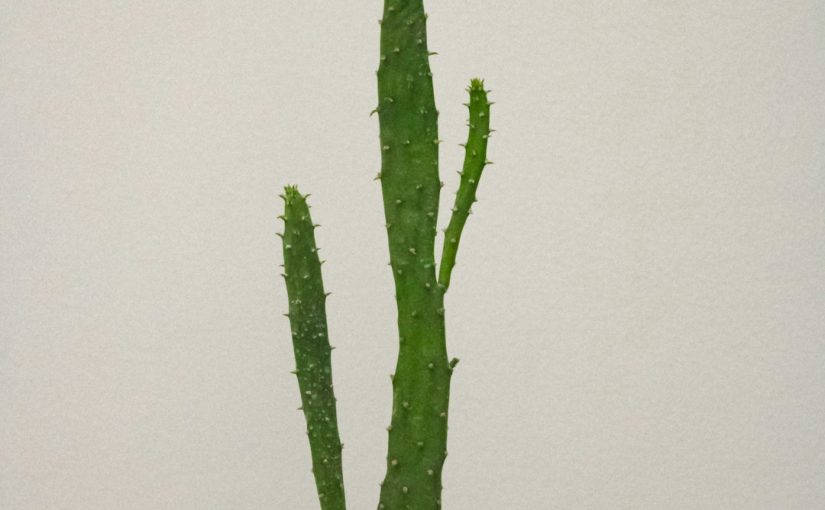
The world of succulents is vast and fascinating, often leading to confusion among enthusiasts and newcomers alike. Among the most commonly mistaken groups are Euphorbia and cacti. At first glance, many species from both genera share striking similarities: formidable spines, drought-tolerant adaptations, and intriguing architectural forms. These resemblances are so profound that even experienced gardeners can struggle to tell them apart without a closer look. However, beneath this veneer of shared characteristics lies a deeply rooted botanical divergence. This article aims to unravel the mysteries separating these two plant powerhouses, equipping you with the knowledge to confidently identify a true cactus from a spiny Euphorbia and appreciate their unique evolutionary paths.
Superficial similarities and evolutionary divergence
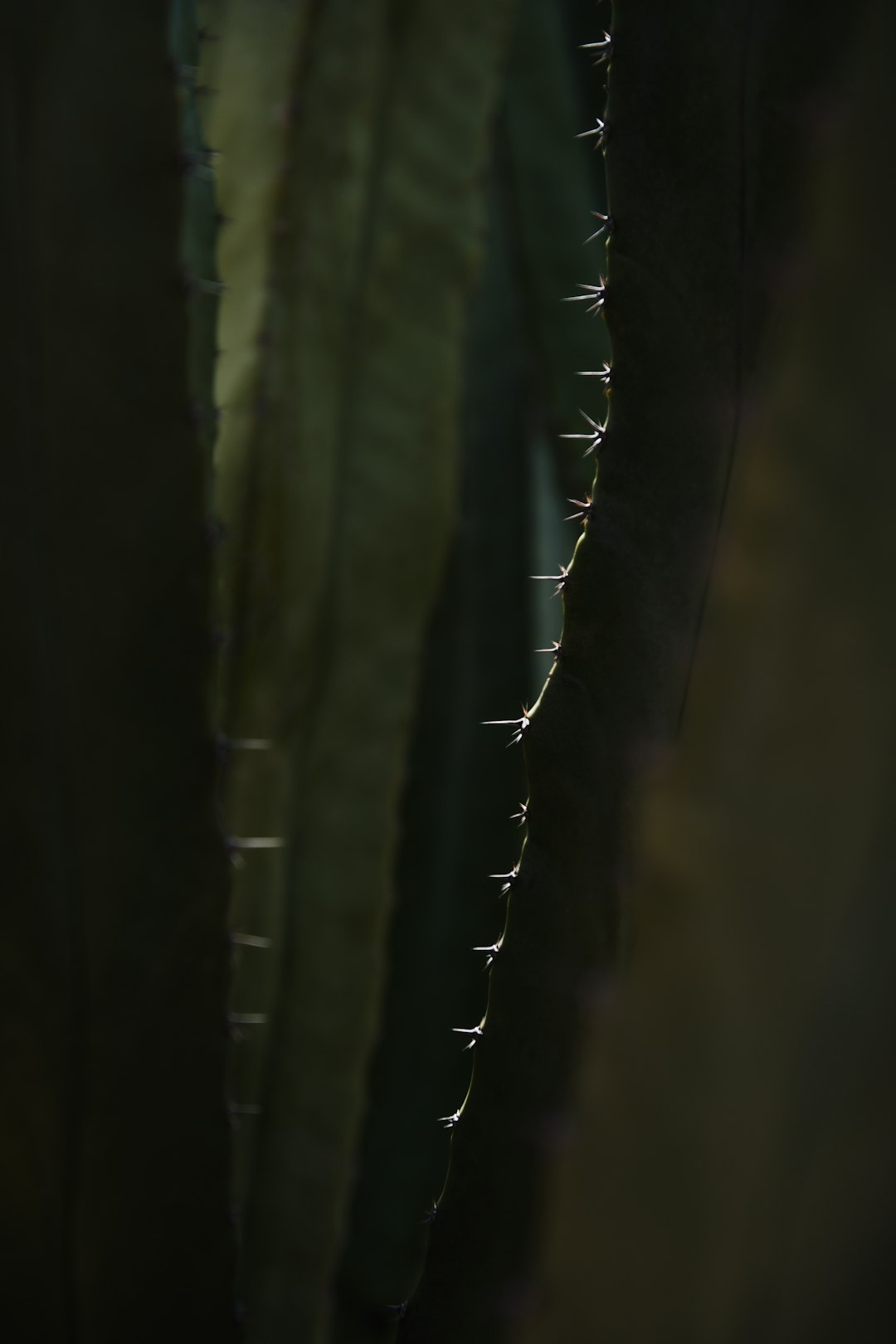
It’s easy to see why Euphorbia and cacti are often confused. Both groups have evolved remarkable adaptations to survive in arid and semi-arid environments, a phenomenon known as convergent evolution. This means they developed similar physical traits independently due to similar environmental pressures, much like bats and birds both developed wings for flight, despite having very different evolutionary origins. For both cacti and many euphorbias, these adaptations include succulent stems for water storage, a thick waxy cuticle to minimize transpiration, and sharp spines to deter herbivores. These shared survival strategies lead to species that can look almost identical, particularly the columnar and globe-shaped forms. Despite their striking visual parallels, they belong to entirely different plant families: cacti are part of the Cactaceae family, while euphorbias belong to the Euphorbiaceae family, which also includes diverse plants like poinsettias and rubber trees.
Key botanical distinctions: Areoles vs. modified stems
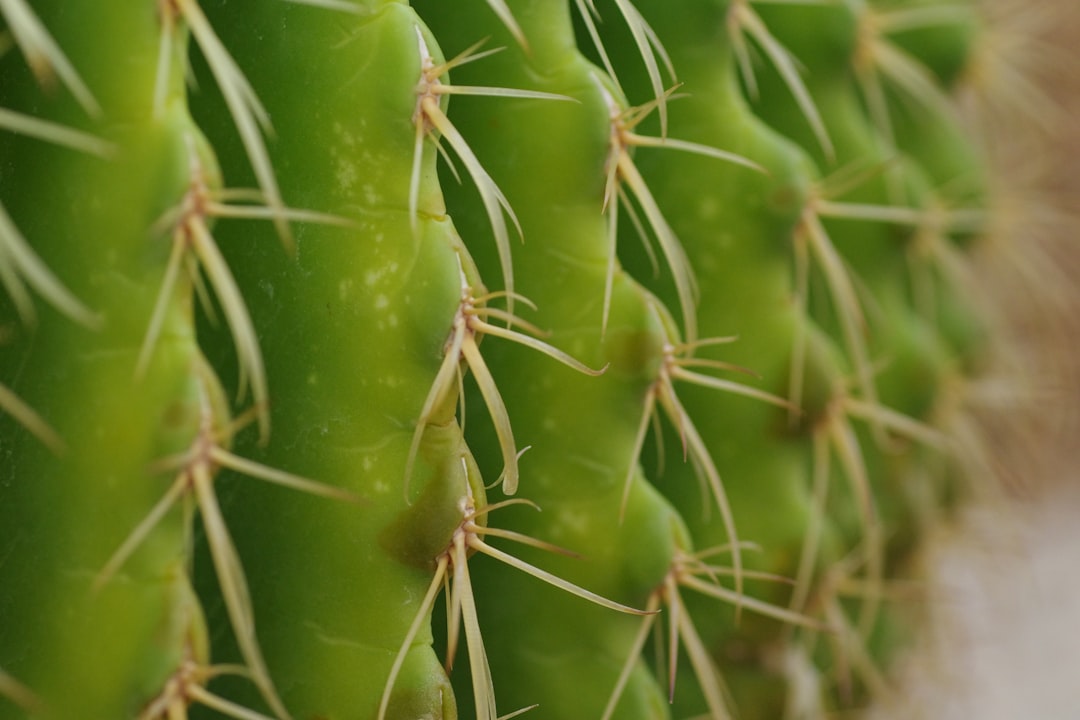
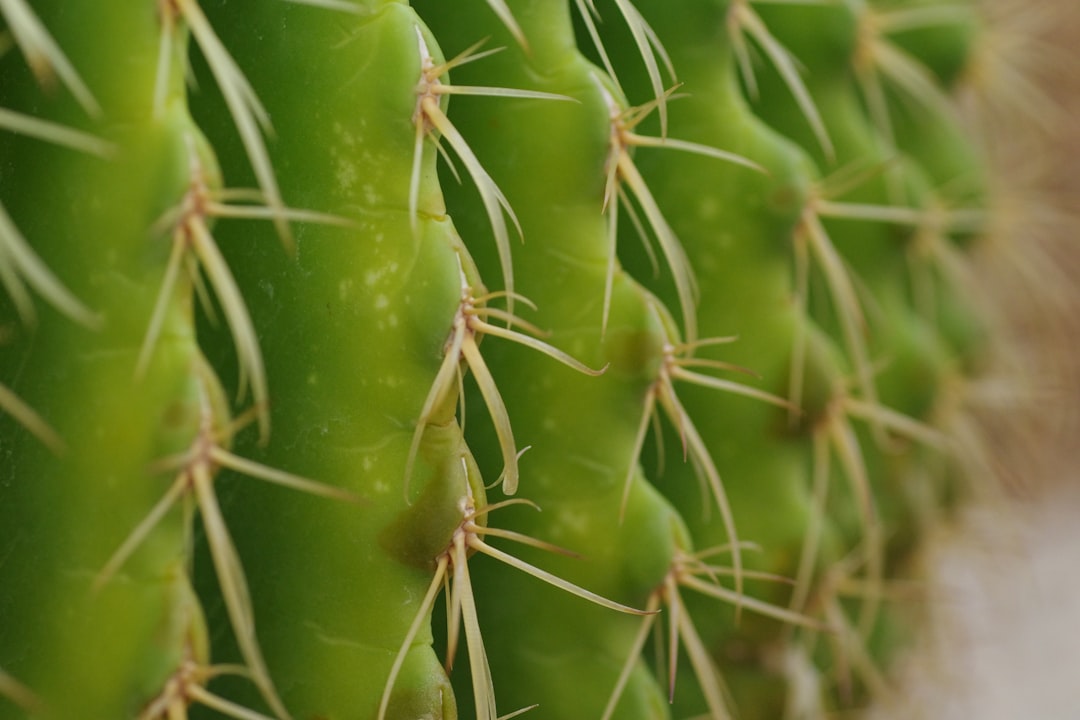
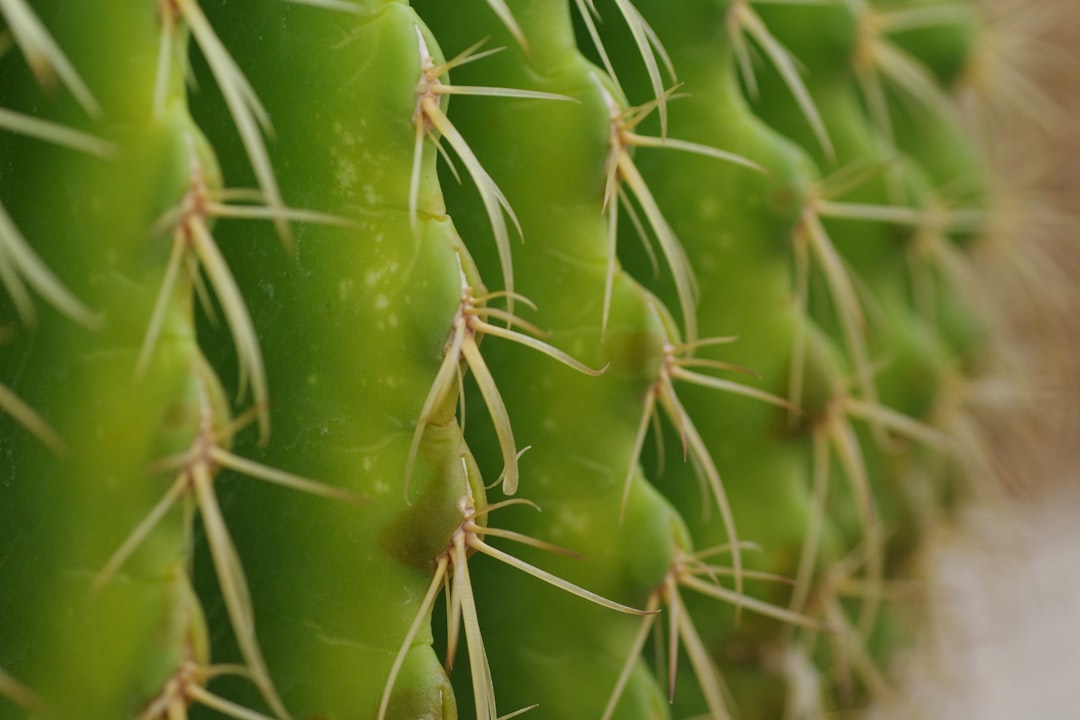
The most crucial and defining difference between a cactus and a spiny Euphorbia lies in their anatomical structures, specifically where the spines emerge. All cacti possess a unique feature called an areole. An areole is a small, cushion-like, often fuzzy structure from which spines, flowers, and new branches grow. Think of it as a highly modified side branch. If you find a plant with spines emerging directly from the stem tissue, often in rows or scattered, but lacking these distinct cushion-like areoles, it is almost certainly a Euphorbia. The spines on Euphorbia species are typically modified stipules (small leaf-like appendages at the base of a leaf stalk) or hardened, dried flower stalks, rather than emanating from a specialized organ like an areole. Furthermore, Euphorbia plants are characterized by a milky white latex sap that oozes when the plant is cut or damaged. This sap, which can be irritating or even toxic, is a hallmark of the Euphorbiaceae family and is rarely found in cacti, which generally have clear sap.
Floral structure and reproduction
While the spines and sap offer clear diagnostic clues, the flowers provide another definitive way to tell these plants apart. Cacti typically produce solitary, often large and showy flowers that emerge directly from the areoles. These flowers are usually hermaphroditic, containing both male and female reproductive organs, and come in a vast array of colors and shapes, often with multiple petals. They are designed to attract specific pollinators like bees, birds, or bats. Euphorbia flowers, on the other hand, are remarkably different and much more complex in their simplicity. They have evolved a highly specialized structure called a cyathium. A cyathium is a tiny, cup-shaped inflorescence that contains several greatly reduced male flowers (each consisting of just a stamen) surrounding a single, central female flower (reduced to a pistil), all encased by bracts that sometimes mimic petals to attract pollinators. These structures are often inconspicuous but are a defining characteristic of the genus Euphorbia, setting them apart from the more conventional blooms of cacti.
Geographic distribution and diverse forms
Understanding their native habitats further illuminates their distinct identities. Cacti are almost exclusively native to the Americas, ranging from Canada down to Patagonia. Their evolutionary story is deeply intertwined with the landscapes of the New World. While some species have been introduced elsewhere, their natural distribution is a powerful indicator of their botanical lineage. Euphorbia, in contrast, boasts a truly global distribution. Species can be found across Africa, Asia, Europe, and the Americas, occupying an incredibly diverse range of habitats, from tropical rainforests to deserts. This wider geographical spread contributes to the immense morphological diversity within the Euphorbia genus. Not all euphorbias resemble cacti; many are trees, shrubs, or herbaceous plants. However, it is the succulent, spiny euphorbias primarily found in parts of Africa that have independently evolved to look strikingly similar to American cacti, underscoring the remarkable power of convergent evolution.
Here is a summary of the key differences:
| Feature | Cactus (Cactaceae) | Euphorbia (Euphorbiaceae) |
|---|---|---|
| Defining Feature | Presence of areoles (specialized cushion-like structures) | No areoles; spines emerge directly from stem |
| Spines | Grow from areoles, are modified leaves/stipules | Modified stipules or hardened flower stalks |
| Sap | Usually clear and watery | Milky white latex (often irritating/toxic) |
| Flowers | Typically large, showy, solitary, from areoles | Small, complex cyathium (cluster of reduced male & female flowers) |
| Native Habitat | Exclusively the Americas | Worldwide (Africa, Asia, Europe, Americas) |
Distinguishing between a Euphorbia and a cactus, though initially challenging due to their convergent evolution, becomes straightforward once you know what to look for. The presence of an areole—that fuzzy, cushion-like structure from which spines and flowers emerge—is the definitive hallmark of a true cactus. Conversely, the absence of areoles, coupled with spines arising directly from the stem tissue, and the tell-tale milky white latex sap, points squarely to a Euphorbia. Understanding their unique floral structures, with cacti displaying often elaborate individual flowers and euphorbias presenting their distinct cyathia, further solidifies identification. By focusing on these botanical specificities rather than superficial appearances, enthusiasts can confidently classify these fascinating succulents and gain a deeper appreciation for their distinct evolutionary journeys and incredible adaptability.
Image by: Sushant Ravitchandirane