The gentle hum of pollinators is a welcome sound, but when yellow jackets and bees become a nuisance, particularly around outdoor dining areas or entryways, it can quickly turn enjoyable moments into anxious ones. While these insects play vital roles in our ecosystem, there are times when their close proximity calls for a respectful yet effective deterrent. Instead of reaching for harsh chemical solutions, many homeowners are seeking natural, homemade remedies to encourage these creatures to keep their distance. This article will delve into various homemade repellents designed to safely and effectively deter both yellow jackets and bees, focusing on solutions that are easy to prepare and environmentally friendly, ensuring your outdoor spaces remain comfortable and buzz-free.
Understanding the distinction: yellow jackets vs. bees
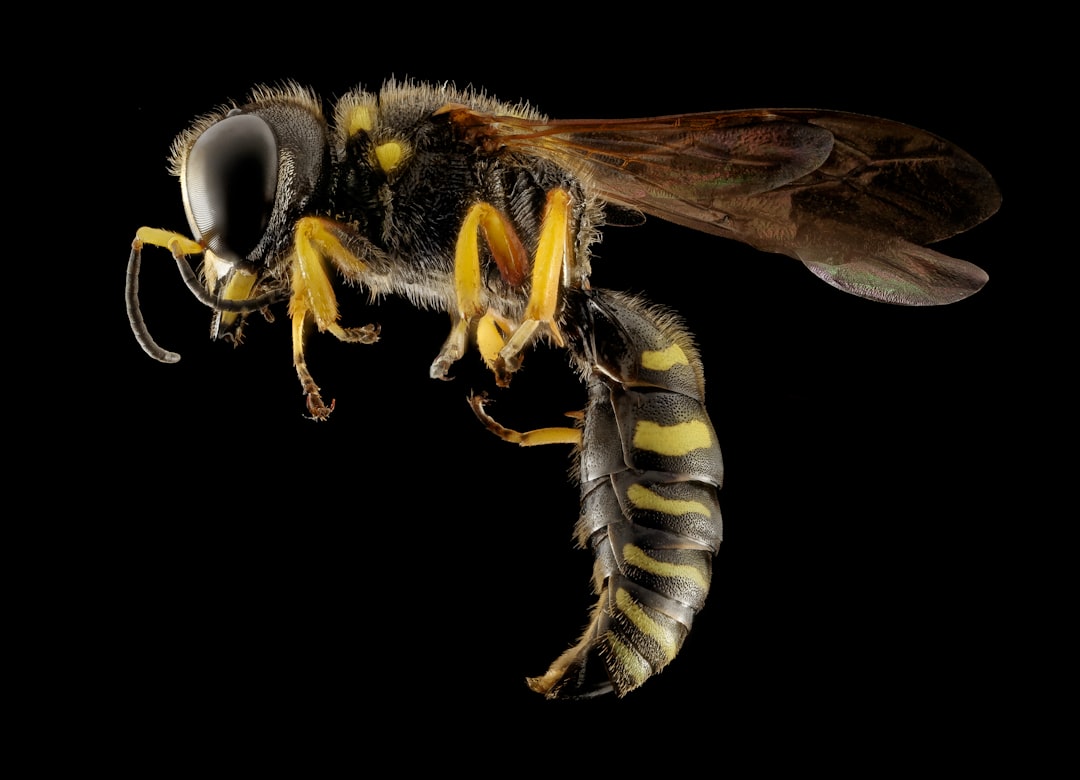
Before implementing any repellent strategy, it is crucial to understand the differences between yellow jackets and bees, as their behaviors and deterrents can vary. Yellow jackets are a type of predatory wasp, characterized by their bright yellow and black markings, slender bodies, and aggressive nature, especially when threatened or attracted to food. They are primarily scavengers, drawn to sugary drinks, meats, and uncovered trash, making them a common unwelcome guest at picnics and barbecues.
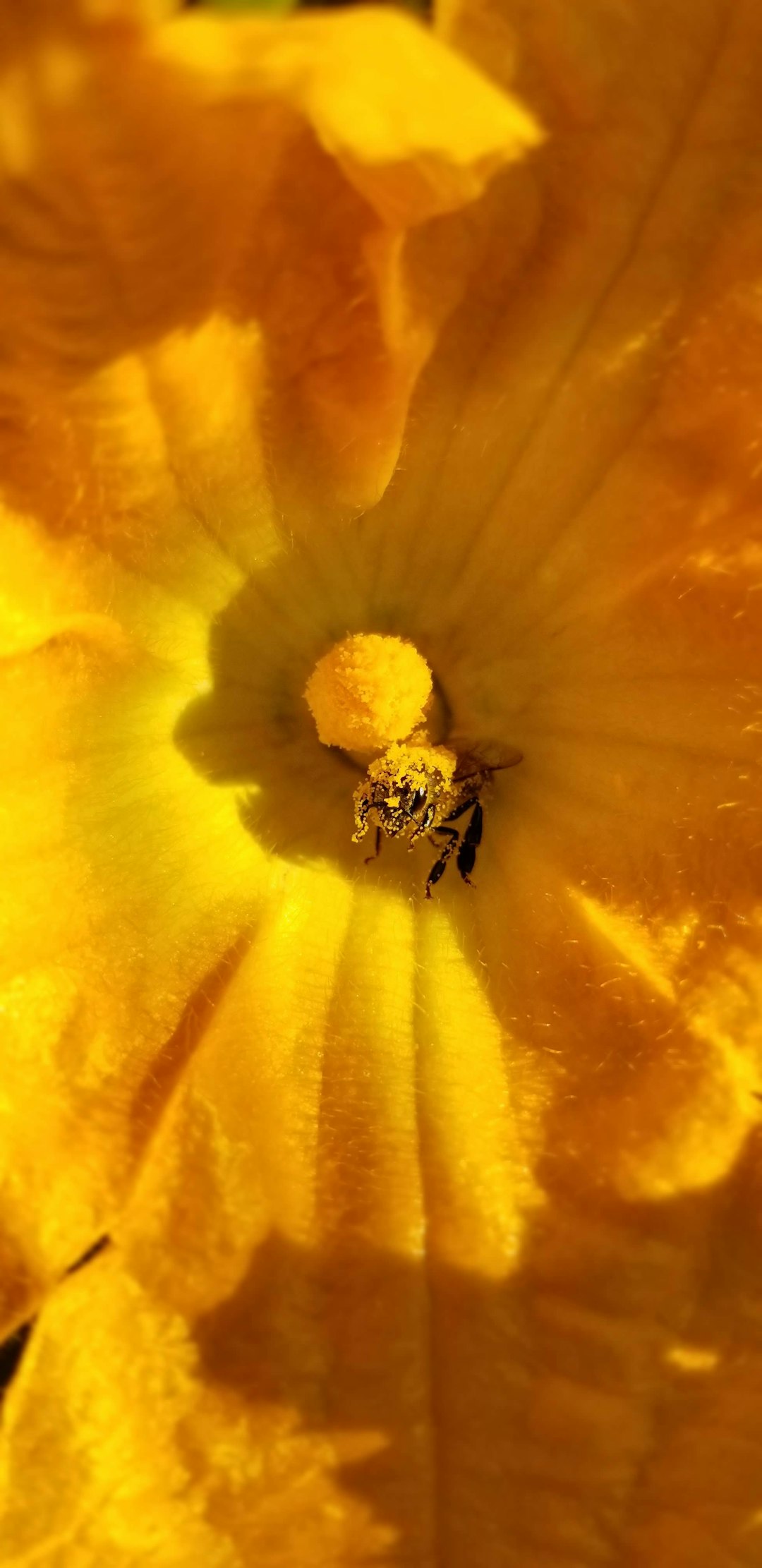
Bees, on the other hand, are vital pollinators. Honey bees, for instance, are typically fuzzy, brownish-yellow, and generally less aggressive than yellow jackets. They are primarily attracted to flowers and nectar, only stinging as a last resort to protect their hive. While both can deliver a painful sting, our approach to deterring them should reflect their ecological roles. The goal is often to repel yellow jackets more actively due to their scavenging and aggressive tendencies, while gently encouraging bees to focus on natural floral sources away from human activity.
Essential oils: a fragrant shield
Essential oils offer a potent and pleasant-smelling solution to deter unwanted insects. Their strong aromas can disrupt the olfactory senses of yellow jackets and bees, making an area undesirable without causing harm. Several essential oils have proven effective, each with unique properties:
- Peppermint oil: This widely available oil is particularly effective against yellow jackets. Its strong, menthol scent is generally disliked by many insects.
- Clove oil: Known for its potent, spicy aroma, clove oil can act as a powerful repellent, especially when combined with citrus notes.
- Lemongrass oil: With its fresh, lemon-like scent, lemongrass is often used in natural insect repellents for its ability to disorient pests.
- Geranium oil: This floral yet pungent oil is also cited for its insect-repelling qualities, including against various flying insects.
To create an essential oil spray, mix 10-15 drops of your chosen essential oil (or a combination) with a cup of water and a teaspoon of dish soap in a spray bottle. The dish soap helps emulsify the oil, allowing it to mix better with water. Spray this mixture around outdoor seating areas, near trash cans, and around potential entry points to your home. You can also soak cotton balls with essential oils and place them in strategic locations, refreshing them daily.
Natural concoctions for outdoor spaces
Beyond essential oils, several other household ingredients can be repurposed as effective homemade repellents. These concoctions leverage common items to create barriers that yellow jackets and bees prefer to avoid.
- Vinegar spray: White vinegar, diluted with an equal part of water, creates a simple yet effective repellent. Yellow jackets particularly dislike the strong acidic smell. Spray this mixture directly onto surfaces where they tend to congregate, such as picnic tables or around garbage bins. Avoid spraying directly on plants, as vinegar can harm foliage.
- Cucumber slices: For yellow jackets, placing fresh slices of cucumber in areas where they are a problem can deter them. The acidic property in cucumbers is believed to be unpleasant to these wasps.
- Sweet scents with a twist: While sweet scents usually attract yellow jackets, some combinations can repel them. A mixture of vanilla extract and water, or even a few drops of almond extract in water, can sometimes confuse and deter them when sprayed around an area.
Another approach involves strategic planting. Certain plants naturally repel insects, and incorporating them into your garden or placing potted versions near outdoor living areas can provide continuous protection. Consider planting mint, citronella grass, eucalyptus, or marigolds. These plants release scents that are pleasant to humans but off-putting to many flying insects, including yellow jackets and, to a lesser extent, bees.
Strategic placement and preventative measures
The effectiveness of homemade repellents is significantly enhanced when combined with smart placement and preventative measures. Understanding where and how to apply these solutions, along with adopting certain habits, can drastically reduce insect encounters.
Consider the following strategies:
- Targeted application: Place essential oil-soaked cotton balls or spray vinegar solutions near food preparation areas, entry points to your home, garbage cans, and recycling bins. These are common attractants for yellow jackets.
- Food management: Always keep food covered when dining outdoors. Clean up spills immediately and empty trash bins regularly. This removes the primary attractant for yellow jackets.
- Outdoor lighting: While not a direct repellent, some insects are attracted to certain types of light. Using yellow or red LED lights can sometimes be less appealing to night-flying insects compared to white or blue lights.
- Faux nests: Yellow jackets are territorial. Hanging a fake wasp nest (available commercially or homemade from a crumpled paper bag) near your outdoor living space can sometimes convince them that the area is already occupied, deterring them from building their own.
Here’s a comparative look at common homemade repellents:
| Repellent Type | Primary Target | Key Ingredients | Application Method |
|---|---|---|---|
| Essential Oil Spray | Yellow Jackets, Bees (general deterrent) | Peppermint, Clove, Lemongrass oils + Water + Dish Soap | Spray around patios, entry points, garbage areas |
| Vinegar Spray | Yellow Jackets | White Vinegar + Water | Spray on surfaces, trash cans, non-plant areas |
| Planted Deterrents | Yellow Jackets, Bees (general deterrent) | Mint, Citronella, Geranium, Eucalyptus | Plant in garden beds, near seating areas, entryways |
| Cucumber Slices | Yellow Jackets | Fresh Cucumber slices | Place near food, picnic areas |
By implementing a combination of these repellent strategies and adopting diligent preventative habits, you can create a more comfortable and less appealing environment for yellow jackets and bees, encouraging them to keep their distance without resorting to harmful chemicals.
Navigating the presence of yellow jackets and bees around our homes requires a thoughtful and often nuanced approach. This article has explored a variety of homemade repellents, from fragrant essential oil sprays and simple vinegar solutions to strategically placed plants and everyday items like cucumber slices. We’ve emphasized the importance of distinguishing between yellow jackets, often drawn to our food and prone to aggression, and bees, crucial pollinators that warrant our gentle encouragement to natural habitats. The core takeaway is that effective deterrence doesn’t require harsh chemicals; instead, it leverages natural scents and properties that these insects find unpleasant. By understanding their behaviors, choosing the right homemade concoction, and pairing these efforts with preventative measures like proper food storage and waste management, you can reclaim your outdoor spaces. These eco-friendly methods not only provide a safer environment for your family and pets but also allow us to coexist harmoniously with these vital insects, ensuring your patios and gardens remain enjoyable, buzz-free havens.