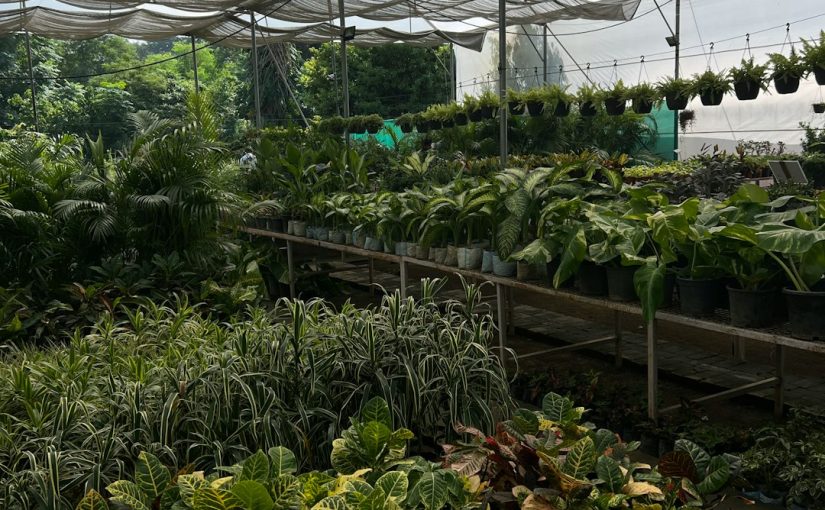
The distribution and diversity of plant life across our planet are not random occurrences; they are meticulously sculpted by a confluence of environmental forces. Among the most pivotal of these are latitude and altitude. These two geographical factors dictate fundamental climatic conditions, profoundly influencing everything from temperature regimes and light availability to precipitation patterns and soil composition. Understanding how these elements interact to shape botanical ecosystems is crucial, not just for appreciating the natural world, but also for agricultural planning, conservation efforts, and predicting the impacts of global climate change. This exploration will delve into the intricate ways latitude and altitude combine to determine where, and how, plants can thrive.
The latitude effect: sun’s angle and seasons
Latitude, simply put, is a measure of a location’s distance north or south of the equator. Its primary influence on plant growth stems from its direct control over the angle at which the sun’s rays strike the Earth’s surface. Near the equator (low latitudes), sunlight arrives almost perpendicularly, concentrating solar energy and resulting in consistently warm temperatures and minimal seasonal variation in day length. This promotes year-round growth for many tropical species, leading to lush rainforests with high biodiversity.
As one moves towards the poles (high latitudes), the sun’s rays strike at an increasingly oblique angle. This scatters and dilutes the solar energy over a larger area, leading to cooler temperatures. More significantly, high latitudes experience extreme variations in day length throughout the year, with very long summer days and very short winter days (or even continuous darkness). Plants in these regions must adapt to shorter growing seasons, often employing rapid growth cycles, dormancy mechanisms, or developing high cold tolerance. For instance, deciduous trees shed their leaves to conserve energy during cold, dark winters, while evergreen conifers are adapted to photosynthesize even in low light and cold.
Altitude’s challenge: thinner air and temperature drops
Altitude, or elevation above sea level, presents a different set of challenges for plant life. The most immediate and dramatic effect of increasing altitude is a consistent drop in temperature. This phenomenon, known as the *lapse rate*, means that for every 100 meters (approximately 328 feet) increase in elevation, the temperature typically decreases by about 0.6 to 1.0 degrees Celsius (3.5 to 5.4 degrees Fahrenheit). This leads to significantly shorter growing seasons and increased frost frequency at higher elevations.
Beyond temperature, higher altitudes also mean thinner air, which translates to lower atmospheric pressure and reduced CO2 availability, though the latter is often less limiting than temperature or water for plants. Crucially, thinner air also offers less protection from solar radiation, meaning plants at high altitudes are exposed to higher levels of ultraviolet (UV) light. This can damage plant tissues, necessitating specialized adaptations such as increased production of protective pigments like anthocyanins or a prostrate, cushion-like growth habit to reduce exposure and trap warmth from the ground. Increased wind exposure is also common at higher elevations, leading to desiccation and physical damage.
Interplay of factors: water availability and soil conditions
While latitude and altitude independently influence plant growth, their combined effects often determine water availability and soil conditions, which are critical for plant survival. At high latitudes, water might be abundant but locked up as ice in permafrost for much of the year, making it unavailable to plants. This dictates shallow root systems and reliance on brief summer thaws. Conversely, at high altitudes, precipitation can be substantial due to orographic lift (moist air rising over mountains), but steep slopes lead to rapid runoff, preventing water from saturating the soil. Additionally, intense solar radiation and wind can increase evapotranspiration rates, effectively drying out the environment.
Soil development is also severely impacted. At high altitudes, erosion is more prevalent, and lower temperatures slow down the decomposition of organic matter, resulting in thinner, less fertile soils. These soils often have lower nutrient content and poor water retention. At high latitudes, especially in tundra regions, soils are often saturated and acidic, with a shallow active layer above permafrost, posing significant challenges for root penetration and nutrient uptake. The table below illustrates some typical environmental conditions influenced by these factors:
| Factor | Low Latitude / Low Altitude | High Latitude / Low Altitude | Low Latitude / High Altitude | High Latitude / High Altitude |
|---|---|---|---|---|
| Temperature | Consistently Warm | Cold Winters, Warm Summers | Cool to Cold, Decreases with height | Extreme Cold, Short Cool Summers |
| Day Length Variation | Minimal | Extreme Seasonal | Minimal (but elevation changes light intensity) | Extreme Seasonal |
| UV Radiation | Moderate | Low to Moderate | High | Very High |
| Growing Season | Year-round | Short to Moderate | Moderate to Short | Very Short |
| Soil Depth/Fertility | Deep, Fertile (e.g., rainforests) | Variable, often poor (e.g., permafrost) | Thin, Rocky, Less Fertile | Very Thin, Rocky, Permafrost |
Plant adaptations and agricultural implications
The pressures exerted by latitude and altitude have driven an extraordinary array of plant adaptations. In high-latitude environments, plants like arctic willows and grasses have developed strategies for rapid growth during short summers, often completing their life cycles in a matter of weeks. Others, like many conifers, retain their needles year-round to maximize photosynthesis whenever conditions allow, and have waxy cuticles to prevent water loss in freezing winds.
At high altitudes, plants often exhibit dwarf or prostrate growth forms, reducing exposure to wind and cold. Cushion plants grow in dense, low mats, trapping heat and moisture. Many alpine species have hairy leaves or succulent tissues to reduce water loss and protect against intense UV radiation. Their flowering often coincides with peak snowmelt, maximizing the brief window of warmth.
For agriculture, understanding these geographical influences is paramount. Farmers at high latitudes or altitudes face challenges such as shorter growing seasons, increased frost risk, and less fertile soils. Crop selection must be precise, favoring cold-hardy and fast-maturing varieties. Techniques like terracing in mountainous regions help manage water runoff and create more stable growing platforms. As climate change continues to alter temperature and precipitation patterns, the boundaries of suitable agricultural zones are shifting, making this understanding even more critical for food security and ecosystem resilience.
Ultimately, the profound influence of latitude and altitude on plant growth cannot be overstated. These fundamental geographical parameters orchestrate a symphony of climatic factors, from temperature and light intensity to precipitation patterns and soil quality, collectively shaping the botanical tapestry of our world. We’ve explored how the sun’s angle at different latitudes dictates seasonal variations and energy availability, while rising altitude brings thinner air, colder temperatures, and increased UV radiation. The intricate interplay of these forces compels plants to develop remarkable adaptations, from rapid life cycles in the tundra to cushion growth forms in the alpine. Recognizing these principles is not merely an academic exercise; it is essential for informed agricultural practices, robust conservation strategies, and accurately forecasting how plant communities will respond to a changing global climate. The adaptability of plants serves as a powerful testament to nature’s resilience, yet also underscores the delicate balance upon which all life depends.
Image by: Sukriti Shonek