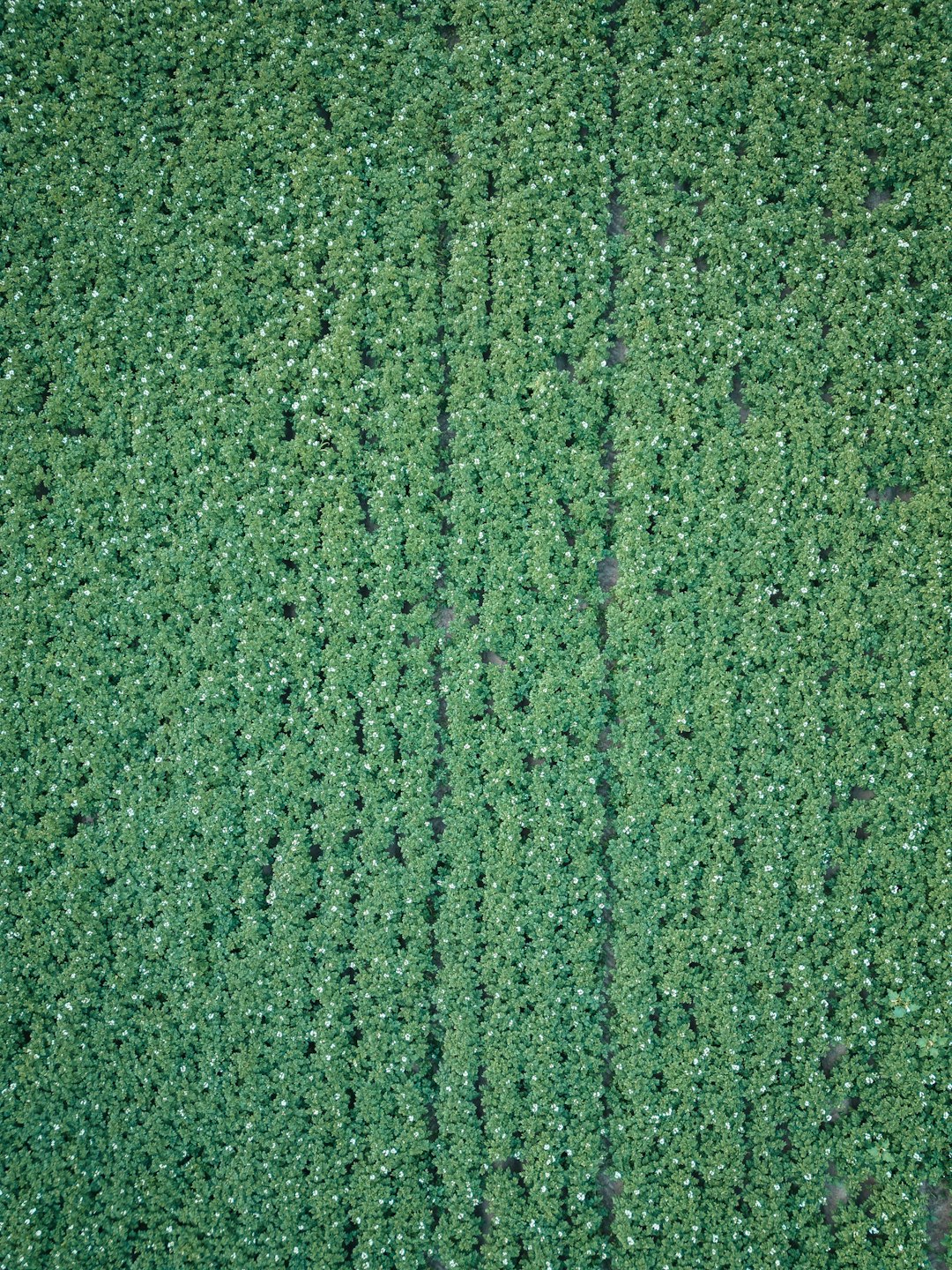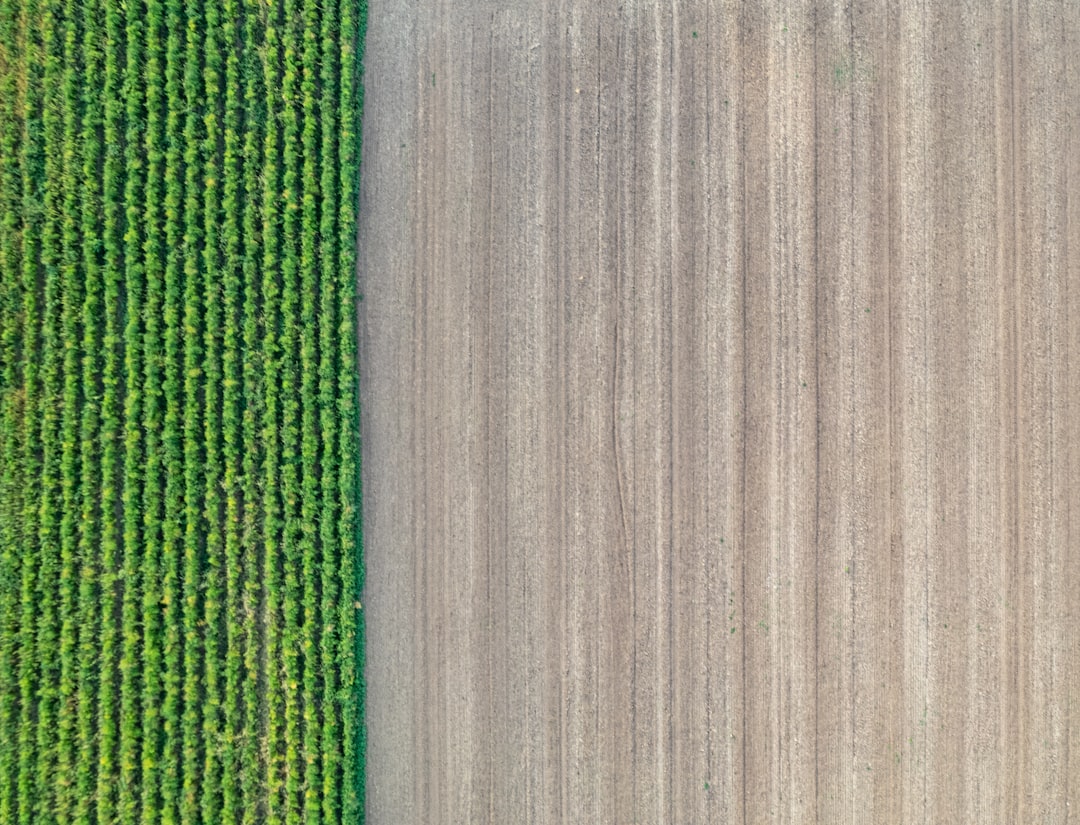
For corn growers, determining the optimal planting density is far from a one-size-fits-all equation. It is a critical decision that profoundly impacts yield potential, resource utilization, and ultimately, profitability. The question of “how much corn to plant per acre” involves navigating a complex interplay of factors, from the specific hybrid genetics to the unique characteristics of your soil, moisture availability, and even your management practices. Understanding these variables and their collective influence is paramount to maximizing your crop’s potential and ensuring a successful harvest. This article will delve into the science and practical considerations behind selecting the ideal corn planting rate for your operation.
Understanding the basics of corn planting density
The term “planting density,” often interchanged with “population” or “rate,” refers to the number of seeds planted per unit area, typically expressed as seeds per acre (SPA). This initial count is crucial because it sets the stage for the maximum number of plants that can emerge and contribute to your final yield. While average recommendations often fall within the range of 28,000 to 36,000 SPA, simply adhering to a general guideline without considering your specific conditions can lead to suboptimal results. Too few plants might leave valuable resources unutilized, reducing overall yield. Conversely, excessively high densities can lead to intense competition for light, water, and nutrients, stressing the plants and potentially reducing individual ear size or even causing barrenness, ultimately diminishing total yield and increasing seed costs unnecessarily. The goal is to find the sweet spot where each plant has enough resources to thrive, contributing to a robust yield per acre.
Key factors influencing optimal planting rates
Pinpointing the precise corn planting rate for your farm requires a careful evaluation of several interconnected factors. Ignoring any one of these can lead to a significant discrepancy between planted potential and harvested reality.
- Hybrid genetics: Modern corn hybrids are bred with specific characteristics, including their response to population stress. Some hybrids are “flex-ear” types, meaning they can produce larger ears with more kernels under lower populations and ideal conditions. Others are “fixed-ear” hybrids, maintaining a more consistent ear size regardless of population, which often perform better at higher densities. Consult your seed supplier for hybrid-specific recommendations.
- Soil type and fertility: Highly fertile soils with excellent water retention capacity can generally support higher planting densities than poor or marginal soils. Rich, loamy soils provide a steady supply of nutrients and moisture, allowing more plants to flourish without undue competition. Conversely, sandy or low-fertility soils may require lower populations to prevent plant stress and ensure adequate resource allocation.
- Moisture availability and irrigation: This is perhaps one of the most critical factors. In dryland farming, where moisture is the primary limiting factor, lower planting densities are often recommended to conserve water and prevent plant stress during critical growth stages. Irrigated fields, where water can be consistently supplied, can typically sustain much higher populations, as the risk of drought stress is mitigated.
- Desired yield goal: Your target yield often dictates the starting point for your planting rate. Higher yield goals typically necessitate higher populations, assuming other factors (fertility, moisture, genetics) can support them. However, there is a point of diminishing returns where increasing populations no longer increases yield and may even decrease it.
- Row spacing: Narrower row spacing (e.g., 20 or 22 inches) often allows for slightly higher plant populations compared to traditional 30-inch rows, as plants are more uniformly distributed across the field. This can lead to better light interception and reduced competition within the row, though the overall plant-to-plant competition remains a consideration.
Practical considerations and adjusting your rate
Beyond the core agronomic factors, practical considerations are vital for translating recommended planting rates into successful field operations. Accurate implementation can make a significant difference in your final stand count and yield.
- Historical data and field scouting: Leverage your own farm’s historical yield data, soil test results, and observations from previous growing seasons. Which fields consistently produce high yields? Which struggle? This information, combined with regular field scouting, can help refine your planting decisions year after year. Pay attention to how past populations performed under varying weather conditions.
- Equipment calibration: Even the best planting rate strategy is useless if your planter isn’t accurately calibrated. Regularly check your planter’s meter settings, vacuum pressure, and seed drop to ensure that the desired number of seeds is being placed consistently and at the correct depth. Uneven spacing or skipped seeds can negate the benefits of an optimized population.
- Emergence rates: Not every seed planted will become a viable plant. Factors like seed quality, soil conditions at planting (temperature, moisture), disease pressure, and pest activity can all impact emergence. It’s common for 5-10% of planted seeds not to emerge. Therefore, you might need to plant slightly higher than your target final stand count to account for these potential losses. For example, if your target is 32,000 plants per acre and you expect 90% emergence, you might plant 35,500 seeds per acre (32,000 / 0.90).
- Economic considerations: Seed is a significant input cost. While higher populations can sometimes lead to higher yields, the additional revenue must outweigh the increased cost of seed. There is an economic optimum that might be slightly different from the agronomic maximum yield.
Finding the sweet spot: on-farm testing and precision tools
Given the multitude of variables, there is no single universally “correct” answer to how much corn to plant per acre. The optimal rate is site-specific and dynamic, changing not only from farm to farm but often from field to field, and even year to year within the same field. The most effective way to determine your farm’s sweet spot is through a combination of tailored advice and practical, on-farm testing.
Begin by consulting with your local agricultural extension services, seed representatives, and trusted agronomists. They have localized data and expertise that can provide excellent starting points based on regional soil types, climate patterns, and common hybrid performance. However, ultimately, your own fields are the best laboratory. Consider implementing on-farm trials where you plant different population rates in strips within the same field. Using yield monitors at harvest, you can then accurately compare the performance of various densities under your specific management practices and environmental conditions. This data-driven approach allows for precise adjustments over time.
Precision agriculture tools, such as variable rate planters, further enhance this capability. By creating prescription maps based on soil type, historical yield data, and satellite imagery, these planters can automatically adjust planting density on the go, placing more seeds in highly productive zones and fewer in less productive areas. This not only optimizes yield but also improves resource efficiency. The table below illustrates how optimal planting densities can shift based on varying field conditions, emphasizing the need for a customized approach.
| Field Condition Category | Typical Characteristics | Recommended Planting Density (Seeds Per Acre) |
|---|---|---|
| High Yield Potential | High organic matter, excellent drainage, irrigation or reliable rainfall, optimal fertility | 34,000 – 40,000+ |
| Moderate Yield Potential | Good soil fertility, adequate moisture, some variability in soil type/drainage | 30,000 – 34,000 |
| Low Yield Potential / Dryland | Marginal soils, limited moisture, sandy or heavy clay, high risk of drought stress | 26,000 – 30,000 |
The decision of how much corn to plant per acre is a foundational element of successful corn production, deeply influencing both yield and economic returns. As we’ve explored, it’s a dynamic calculation, requiring more than just a generic number. Factors such as hybrid genetics, the unique characteristics of your soil, available moisture, desired yield goals, and even row spacing all converge to determine the ideal population. Practical considerations like precise planter calibration, accounting for expected emergence rates, and evaluating the economic trade-offs of seed cost versus potential yield are equally critical for translating strategy into field success. The overarching conclusion is that there is no universal optimal rate; rather, it’s about discovering the specific sweet spot for each of your fields. Embracing on-farm testing, leveraging precision agriculture technologies, and continually learning from your experiences will empower you to make data-driven decisions that optimize planting density, enhance resource efficiency, and ultimately maximize the profitability and sustainability of your corn operation year after year.
Image by: Jaron Mobley