Removing a tree is often only half the battle, especially when dealing with resilient species like the willow. While the tree itself might be gone, its stump remains a formidable opponent, notorious for its stubborn ability to regrow with surprising vigor. A willow stump left unattended can quickly sprout numerous suckers, turning your cleared space into a continuous maintenance headache or an unwelcome thicket. This article delves into various effective strategies, from potent chemical treatments to environmentally friendly alternatives and physical removal techniques, equipping you with the knowledge to permanently eliminate that persistent willow stump and reclaim your landscape once and for all. We’ll cover everything from initial preparation to the best application methods for lasting results.
The stubborn nature of willow stumps and initial preparation
Willow trees are renowned for their incredible regenerative capabilities, a trait that makes their stumps particularly challenging to eradicate. Unlike many other tree species, willow stumps possess an abundance of dormant buds and a robust root system capable of storing significant energy reserves. These factors allow them to sprout new growth, often called suckers or epicormic shoots, with impressive speed and determination, even after the main trunk has been felled. Understanding this inherent resilience is the first step in formulating an effective eradication plan.
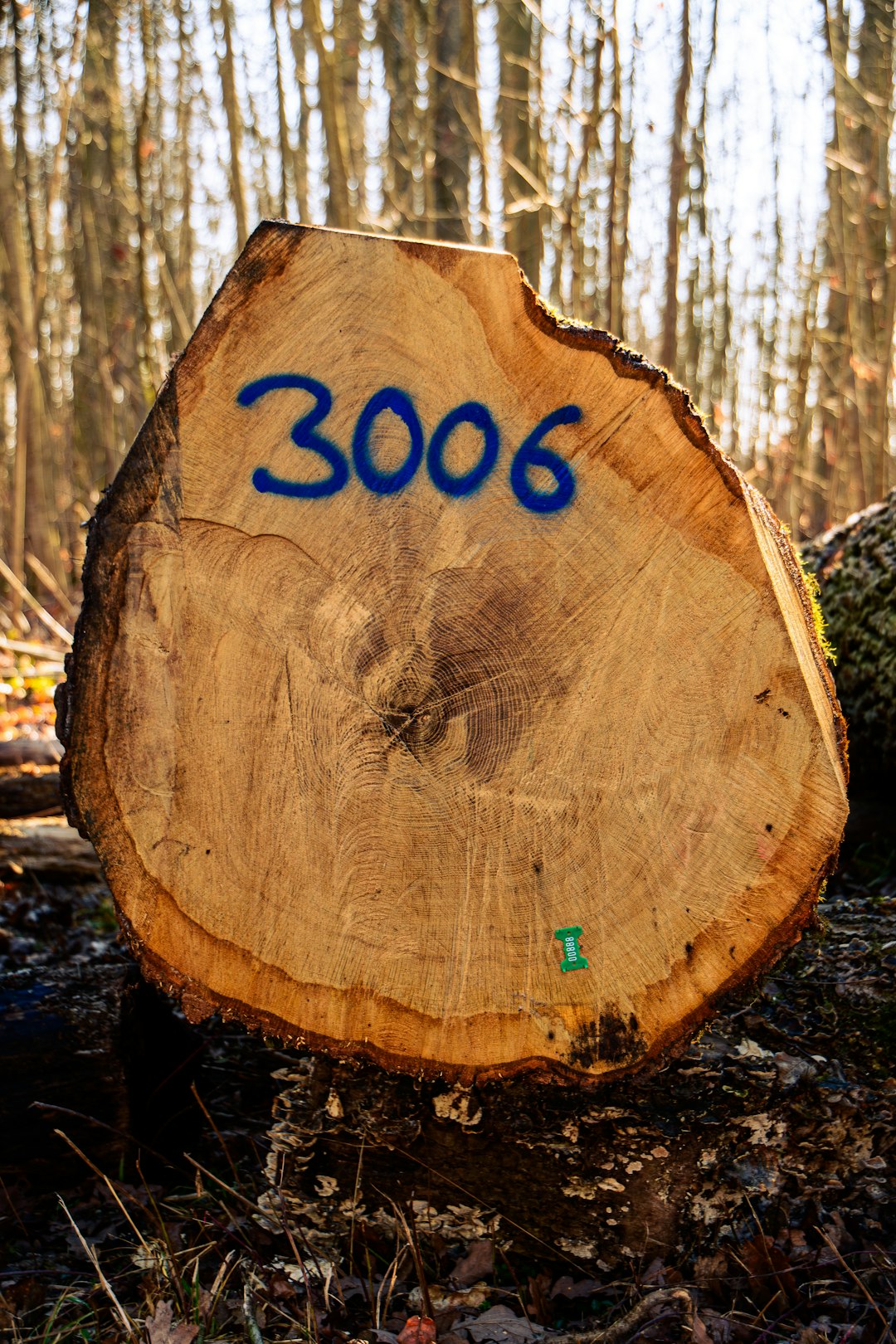
The success of any stump removal method largely hinges on proper initial preparation. Begin by cutting the stump as low to the ground as possible, ideally within 2-4 inches of the soil line. A low, level cut not only makes subsequent treatments easier but also minimizes the visual impact of the stump during the decomposition process. Ensure the cut surface is clean and free of sawdust or debris, as this allows for better absorption of treatments. Safety is paramount during this stage; always wear appropriate personal protective equipment, including eye protection, gloves, and sturdy footwear, especially if using a chainsaw or power saw. Clearing the area around the stump of any leaves, twigs, or loose soil will also provide a clear working space and prevent contamination of the surrounding soil.
Chemical warfare: effective herbicides for stump treatment
For a swift and highly effective solution to willow stump regrowth, chemical herbicides are often the most reliable choice. The key to success with herbicides lies in selecting the right product and applying it correctly and promptly. Two of the most common and effective herbicides for stump treatment are glyphosate and triclopyr.
- Glyphosate: This non-selective herbicide is absorbed by plant tissues and translocated throughout the plant, including the roots, effectively killing the entire system. It’s often preferred for its relatively low soil residual activity, meaning it breaks down more quickly in the soil.
- Triclopyr: This selective herbicide is particularly effective on woody plants and broadleaf weeds. It works by mimicking plant growth hormones, causing uncontrolled growth that ultimately leads to the plant’s demise. Triclopyr is often more potent on woody stems than glyphosate, especially for preventing regrowth.
The timing of application is critical. For optimal results, herbicides should be applied immediately after felling the tree, ideally within minutes, while the sapwood is still moist and actively transporting nutrients. This allows the herbicide to be efficiently carried down to the root system. There are two primary application methods:
- Cut surface treatment: Paint or spray the herbicide concentrate directly onto the freshly cut surface of the stump, focusing on the cambium layer (the active growth ring just inside the bark). This method is simple and highly effective for smaller stumps.
- Drill hole method: For larger stumps, drilling holes into the stump can enhance herbicide absorption. Use a 1/2-inch to 1-inch drill bit and drill holes 1-2 inches deep at a slight downward angle, spaced 2-3 inches apart around the perimeter of the stump, and a few in the center. Fill these holes with the concentrated herbicide according to product label instructions.
Always use herbicides at the concentration recommended for stump treatment on the product label, which is typically higher than for foliar sprays. Wear appropriate safety gear, including chemical-resistant gloves and eye protection, and follow all manufacturer instructions to protect yourself and the environment.
Natural and organic alternatives to chemical removal
For those preferring to avoid synthetic chemicals, several natural and organic methods can effectively kill a willow tree stump, though they often require more patience. These approaches leverage natural processes to either dehydrate, starve, or decompose the stump.
One popular natural method involves the use of Epsom salt or rock salt. The high sodium content of these salts dehydrates the stump and creates an environment hostile to plant growth. To apply, drill several 1-inch deep holes into the stump, spacing them a few inches apart. Fill these holes with salt, add a small amount of water to help it dissolve, and then cover the stump with a tarp or plastic sheeting. This helps retain moisture, allowing the salt to penetrate deeply, and prevents the salt from washing away or harming surrounding vegetation. Reapply salt every few weeks as needed. This process can take several months to a year.
Another option is solarization or smothering. This method relies on depriving the stump of sunlight and oxygen, effectively starving it to death. After cutting the stump low, cover it completely with a thick, opaque tarp, black plastic sheeting, or even a layer of cardboard topped with mulch. Secure the cover tightly to prevent any light from reaching the stump and to trap heat. Over time, the lack of light will inhibit photosynthesis and sprout growth, while the trapped heat can accelerate decomposition. This method is slow but environmentally friendly, often taking 6-12 months or longer.
For an accelerated, eco-conscious decomposition, consider fungal inoculation. After drilling holes into the stump, you can insert mushroom spawn (e.g., oyster mushroom plugs). Certain fungi are natural decomposers of wood and can significantly speed up the natural decay process. This method not only helps eliminate the stump but can also produce edible mushrooms. It’s a longer-term strategy but highly effective and beneficial to the soil ecosystem.
Physical removal and accelerated decomposition
When speed and complete removal are priorities, physical methods offer a direct approach to eliminating a willow stump. Each has its own benefits and drawbacks, depending on the size of the stump, your budget, and available resources.
The most efficient physical method is stump grinding. A stump grinder uses a powerful rotating cutter wheel to chip away at the stump and its main roots, turning them into wood chips. This process can quickly remove a stump below ground level, allowing you to plant grass or other vegetation over the area. While effective and fast, stump grinding typically requires renting specialized equipment or hiring a professional service, which can be an investment. The resulting wood chips can be used as mulch or removed.
For smaller stumps, or if you prefer a more strenuous but cost-effective approach, manual digging is an option. This involves excavating the soil around the stump to expose the roots, which can then be severed with a root saw, axe, or loppers. A pickaxe and shovel are essential tools for this task. It’s labor-intensive and can be quite challenging, especially if the root system is extensive or the soil is rocky, but it offers complete removal without chemicals or machinery.
Finally, to accelerate the natural decomposition of a stump left in place, you can employ a combination of drilling and nutrient application. This method involves drilling numerous deep holes into the stump, similar to the drill-hole herbicide application. Instead of herbicide, fill these holes with a high-nitrogen fertilizer, such as urea. Nitrogen is a key nutrient for fungi and bacteria, the primary decomposers of wood. Add water to moisten the fertilizer and cover the stump with a tarp or plastic to retain moisture and heat. The nitrogen encourages microbial activity, speeding up the decay process. This can take anywhere from one to three years, depending on the stump’s size and environmental conditions. It’s often used as a follow-up to other methods or for stumps that are not an immediate hazard.
Comparison of stump removal methods
| Method | Effectiveness | Timeframe | Cost | Environmental Impact |
|---|---|---|---|---|
| Chemical (Glyphosate/Triclopyr) | High | Weeks to months | Low to moderate | Moderate (if not applied carefully) |
| Epsom/Rock Salt | Moderate | Several months to 1 year | Low | Low (can affect soil nearby) |
| Solarization/Smothering | Moderate to High | 6 months to 2 years | Low | Very Low |
| Stump Grinding | Very High (immediate) | Hours to days | High (equipment/professional) | Low |
| Accelerated Decomposition (Nitrogen) | Moderate | 1 to 3 years | Low | Very Low |
Final thoughts on eliminating willow stump regrowth
Killing a willow tree stump is undoubtedly a task that demands persistence, but with the right approach, it’s entirely achievable. We’ve explored a range of effective strategies, from potent chemical treatments using glyphosate or triclopyr applied to fresh cuts or drilled holes, to more organic and natural methods like Epsom salt, solarization, and even fungal inoculation. For those prioritizing speed, stump grinding offers an immediate solution, while manual digging provides a hands-on, chemical-free option for smaller stumps. Accelerated decomposition techniques, often involving nitrogen fertilizers, can also hasten the natural decay process.
Ultimately, the best method for you will depend on factors such as the stump’s size, your budget, environmental concerns, and how quickly you need the stump gone. Regardless of the path chosen, remember that immediate action after felling the tree significantly increases your chances of success. Patience is often a virtue, especially with natural methods. By understanding the willow’s tenacious nature and applying these proven techniques diligently, you can finally reclaim your landscape and prevent those stubborn shoots from ever reappearing, ensuring your outdoor space remains exactly as you envision it.
Image by: Joshua Tsu