Bringing new life to your metal mesh patio furniture can dramatically enhance your outdoor living space without the expense of buying new pieces. Over time, exposure to the elements can leave these beloved items looking faded, rusty, or simply tired. Painting offers an incredibly effective and satisfying solution, transforming old, worn-out chairs and tables into vibrant, eye-catching focal points. While the intricate design of metal mesh might seem daunting to paint, with the right preparation, choice of materials, and technique, achieving a smooth, durable finish is entirely within reach. This guide will walk you through each critical step, ensuring your refreshed furniture not only looks fantastic but also withstands the test of time and weather, giving you years of continued enjoyment.
The essential prep work for a lasting finish
The foundation of any successful painting project, especially with metal mesh patio furniture, lies in thorough preparation. Skipping or rushing this stage almost guarantees a short-lived and unsatisfactory finish. Begin by giving your furniture a deep clean. Use warm water mixed with a mild detergent, like dish soap, and a stiff brush or scrubbing pad to remove dirt, grime, cobwebs, and any loose paint flakes. For stubborn grease or oil, a degreaser is indispensable. Rinse the furniture thoroughly with a hose, ensuring no soap residue remains, and allow it to dry completely. Any trapped moisture can lead to rust forming beneath your new paint.
Next, tackle rust. Metal mesh furniture is particularly susceptible to rust, and simply painting over it will only mask the problem temporarily. Use a wire brush, sandpaper (medium to fine grit), or even a Dremel tool with a grinding attachment for tighter spots, to remove all visible rust. Aim to get down to bare metal. For areas with pitting, a rust converter can be applied after mechanical removal to chemically neutralize any remaining microscopic rust, creating a stable surface. After addressing the rust, lightly sand the entire surface of the furniture with fine-grit sandpaper (around 220-grit). This step isn’t about removing existing paint, but rather about creating a slightly abraded surface that the primer can adhere to effectively. Finally, wipe down the furniture with a tack cloth or a damp cloth to remove all dust and debris from sanding before proceeding.
Choosing the right primer and paint
Selecting appropriate primer and paint is just as crucial as the preparation itself, dictating both the aesthetic outcome and the longevity of your painted furniture. For metal mesh patio furniture, a high-quality primer is non-negotiable. An *etching primer* is excellent for bare metal as it chemically etches the surface, creating superior adhesion. Alternatively, a *rust-inhibiting primer* is vital for furniture that has previously shown signs of rust, providing an additional barrier against future corrosion. Applying a primer ensures better paint adhesion, a more uniform color, and enhanced durability against the elements. Allow the primer to dry completely according to the manufacturer’s instructions, which typically ranges from 2-4 hours, though full cure can take longer.
When it comes to paint, you need products specifically designed for outdoor use and metal surfaces. Here are common options:
| Paint Type | Key Benefits | Considerations for Mesh |
|---|---|---|
| Oil-based enamel | Excellent durability, hard finish, good rust protection. | Can be thick; brush application might lead to drips. Spraying is preferred. |
| Direct-to-metal (DTM) | Combines primer and paint, good adhesion, strong weather resistance. | Convenient for moderate conditions, but a separate primer is still best for rust-prone items. |
| Epoxy paint | Extremely hard, chemical-resistant, durable finish. | Often more expensive, strong fumes, requires good ventilation. |
| Outdoor spray paint | Excellent for mesh due to even coverage, variety of colors/finishes. | Can be more expensive per volume, requires careful technique to avoid drips. |
For metal mesh, *outdoor spray paint* is often the most practical and effective choice due to its ability to provide even coverage without brush marks or drips, easily reaching all the intricate angles and gaps. Look for brands that offer “paint and primer in one” for convenience, but as mentioned, a dedicated primer is always superior for maximum protection.
Mastering the painting technique for mesh furniture
Painting metal mesh furniture requires a strategic approach to achieve a smooth, uniform finish without drips or missed spots. Always work in a well-ventilated area, preferably outdoors on a calm, low-humidity day, to ensure proper drying and minimize inhalation of fumes. Lay down drop cloths or old sheets to protect the surrounding area from overspray.
If you’re using spray paint, which is highly recommended for mesh, hold the can about 8-12 inches from the surface. Apply paint in light, even coats using a continuous back-and-forth motion, overlapping each pass slightly. The key here is *multiple thin coats* rather than one thick one. A thick coat will inevitably lead to runs and drips, especially on vertical mesh surfaces. After the first coat, allow it to dry to the touch (usually 15-30 minutes, check the can instructions) before applying the next. This typically means applying 2-3 thin coats to achieve full, opaque coverage. Focus on getting paint into all the intricate mesh openings from various angles. You may need to rotate the furniture frequently to ensure every side of the wire mesh is coated.
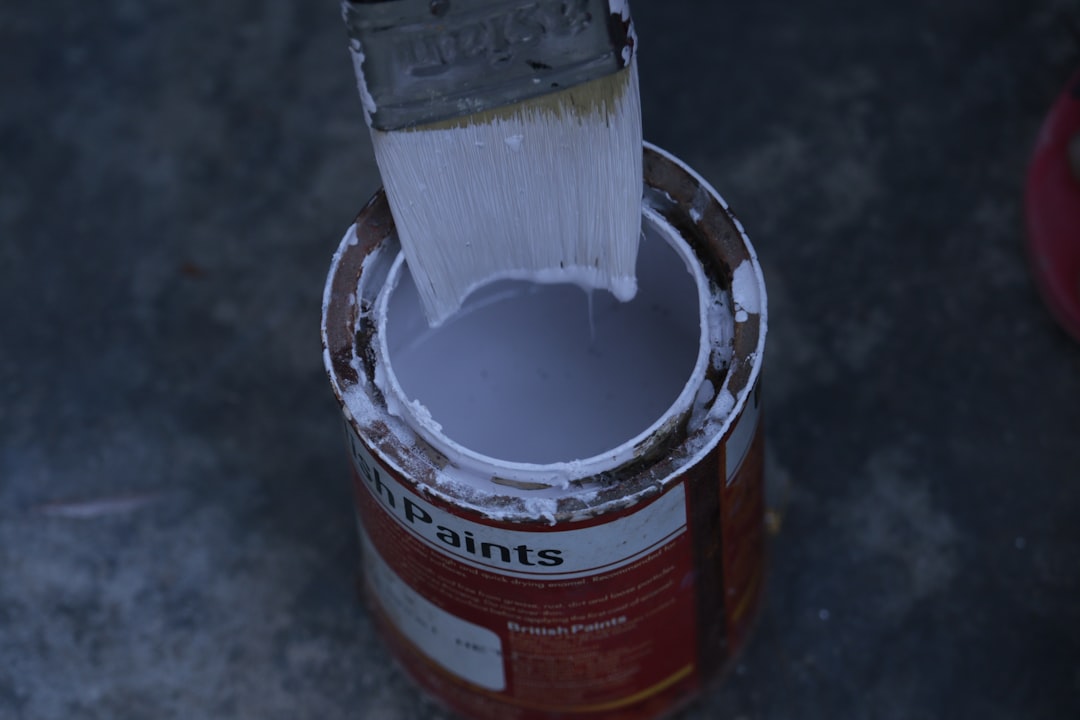
For brush-on paint, while less ideal for mesh, use a high-quality synthetic brush for oil-based paints. Load the brush sparingly and apply thin coats. Use a dabbing or stippling motion to push paint into the mesh openings, then lightly brush to smooth it out. This method is more time-consuming and challenging to prevent drips on mesh. Regardless of the method, always ensure each coat is sufficiently dry before applying the next to avoid lifting or smudging the previous layer.
Curing, protection, and ongoing maintenance
Once your final coat of paint is applied, the work isn’t quite finished. Understanding the difference between “dry to the touch” and “fully cured” is vital for the longevity of your paint job. While the furniture might feel dry within a few hours, the paint typically needs several days, sometimes even weeks, to fully harden and achieve its maximum durability. During this curing period, avoid heavy use, stacking, or exposing the furniture to harsh weather, which could scratch or damage the still-soft paint layer.
For an extra layer of protection and to enhance the lifespan of your painted finish, consider applying a clear protective topcoat. A clear acrylic or polyurethane spray designed for outdoor metal can provide added resistance against UV rays, scratches, and moisture, preserving the vibrant color and finish. Apply this in the same manner as the paint – in light, even coats, allowing adequate drying time between each application and for the final cure.
To keep your newly painted metal mesh furniture looking its best for years to come, incorporate simple maintenance into your routine. Regularly clean the furniture with mild soap and water to remove dirt and pollen. Avoid abrasive cleaners or harsh chemicals that could damage the paint. Promptly address any chips or scratches by touching them up with leftover paint or a small brush. Store your furniture in a sheltered location or cover it during extreme weather conditions or off-season months. With a little care, your revitalized patio furniture will continue to be a source of pride and comfort.
Transforming tired, weathered metal mesh patio furniture into stylish, inviting pieces is a deeply rewarding DIY project. As we’ve explored, the secret to a long-lasting and professional-looking finish lies in a meticulous four-step process: thorough preparation, thoughtful selection of primer and paint, skilled application techniques, and diligent post-painting care. From the crucial cleaning and rust removal that lays a pristine foundation, to the strategic choice of outdoor-grade spray paints for effortless mesh coverage, and finally, the patient curing and protective measures that lock in durability, each stage plays an indispensable role. By embracing these principles, you not only save money but also infuse your outdoor space with a personal touch, proving that with a bit of effort and the right approach, your cherished patio furniture can indeed enjoy a beautiful second life, standing strong and looking fabulous through many seasons to come.
Image by: Anyzoy studio