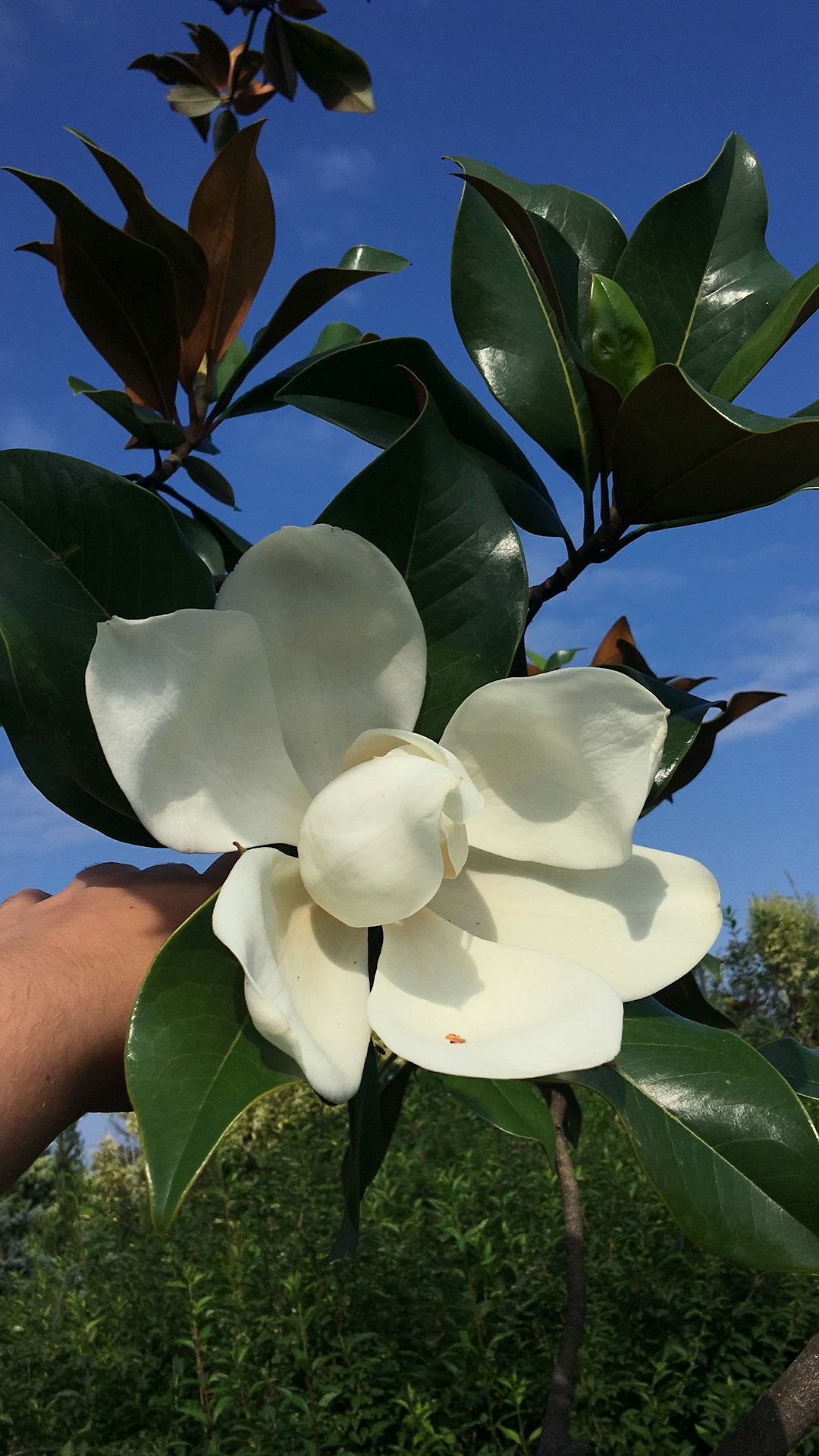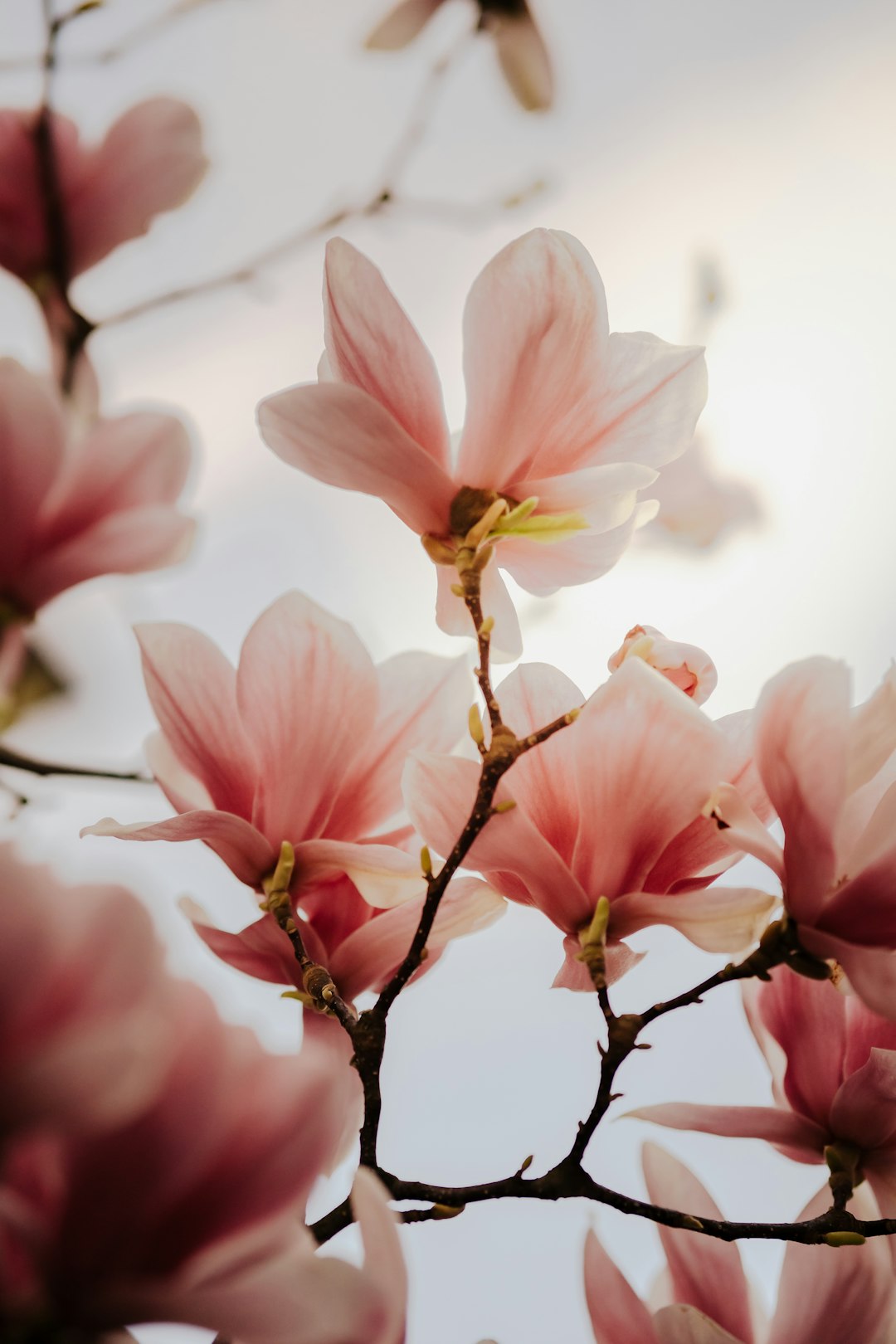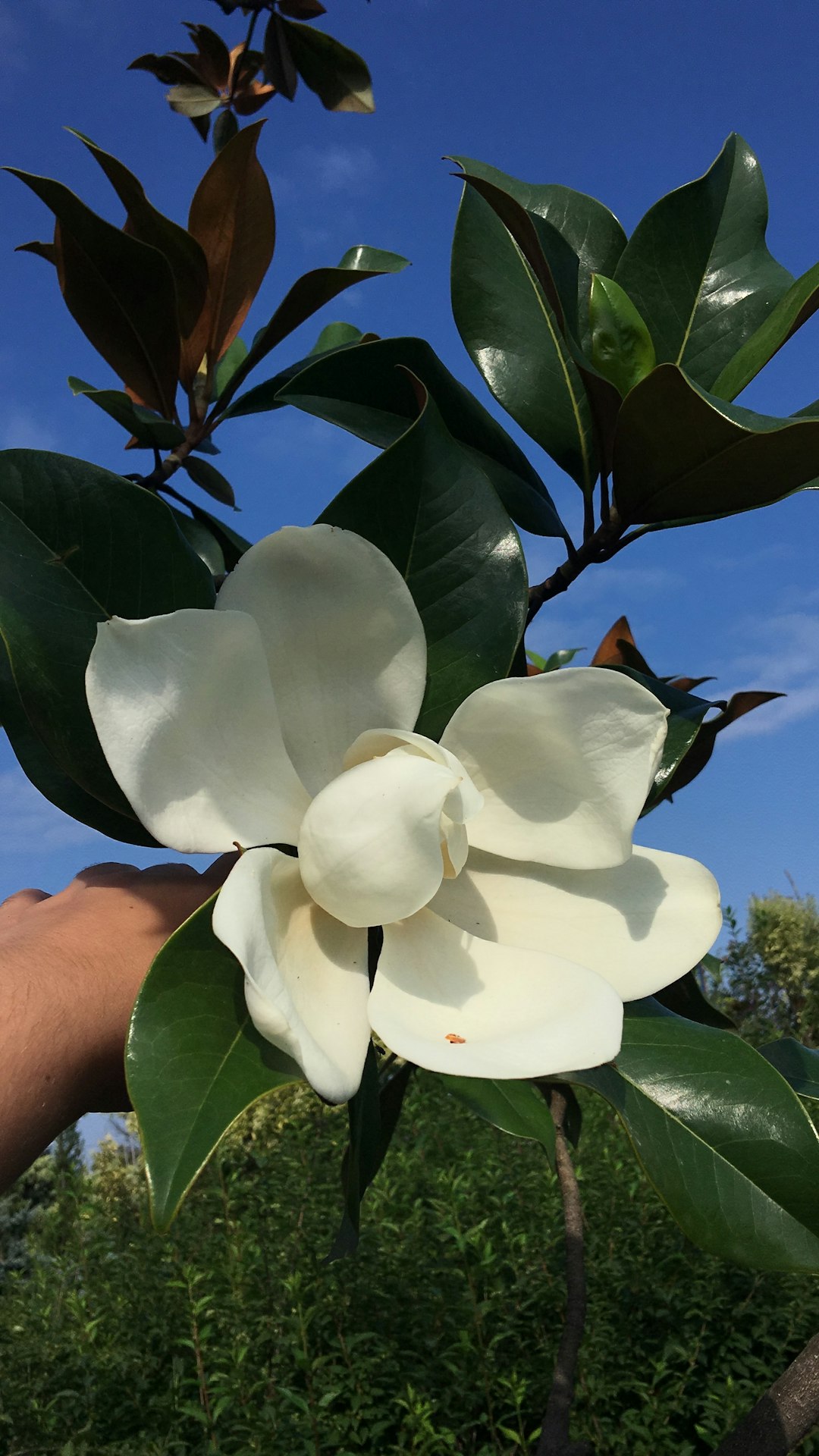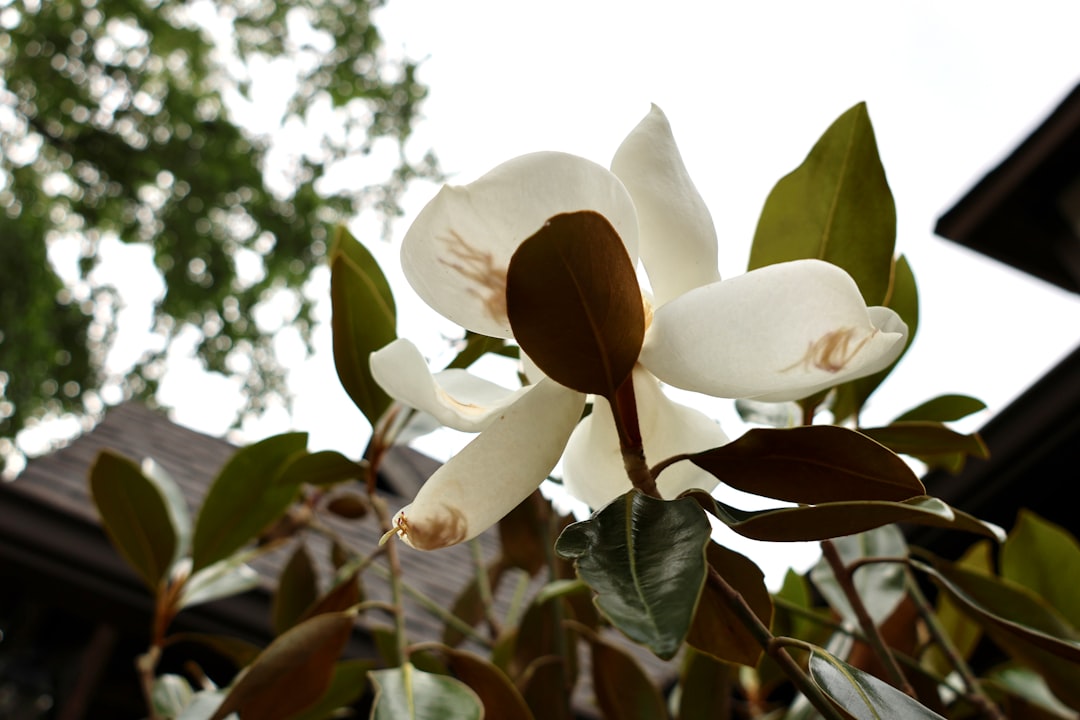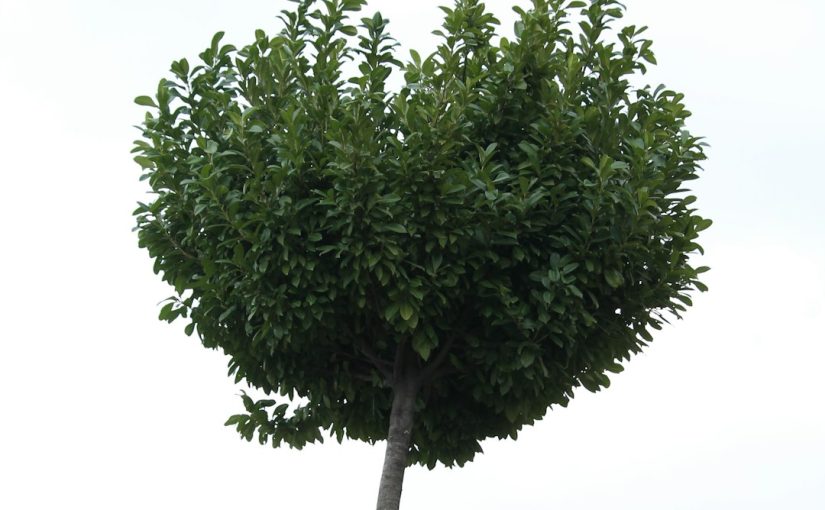
The “Jane” magnolia, a captivating deciduous shrub or small tree, is cherished for its striking, goblet-shaped flowers that burst forth in a symphony of pink and purple hues each spring. A popular choice in many landscapes, its beauty is undeniable, but maintaining its health, vigor, and spectacular floral display requires a thoughtful approach to pruning. This guide aims to demystify the art of pruning your Jane magnolia, offering clear, actionable advice to ensure your plant thrives. We’ll delve into understanding why pruning is crucial, pinpoint the best times to pick up your shears, explore essential techniques for making the right cuts, and highlight common pitfalls to avoid. By the end, you’ll be equipped with the knowledge to cultivate a magnificent and healthy Jane magnolia that enhances your garden for years to come.
Understanding the “Jane” magnolia and the purpose of pruning
The “Jane” magnolia (Magnolia x ‘Jane’) is part of the ‘Little Girl’ series, renowned for its compact size and late-blooming habit, which helps it avoid late spring frosts. Typically growing as a multi-stemmed shrub or small tree, it produces exquisite tulip-shaped flowers before its leaves fully emerge. Understanding its growth habit is fundamental to effective pruning. Unlike some plants that tolerate aggressive cutting, magnolias generally prefer minimal pruning. However, strategic pruning is vital for several key reasons:
- Health and vigor: Removing dead, diseased, or damaged branches prevents the spread of pathogens and directs the plant’s energy towards healthy growth.
- Shape and structure: Pruning helps maintain an attractive form, preventing the plant from becoming leggy or overgrown, especially important for its compact nature.
- Air circulation and light penetration: Thinning out crowded branches improves air flow within the canopy, reducing the risk of fungal diseases, and allows sunlight to reach inner branches, promoting uniform growth and flowering.
- Size management: While “Jane” is smaller than many magnolias, it can still outgrow its space. Pruning helps manage its overall size without sacrificing its natural elegance.
- Encouraging blooms: By removing spent flowers or strategically shaping the plant, you can encourage more robust flowering in subsequent seasons. Jane magnolias bloom on old wood, meaning the flower buds form on branches from the previous year. This characteristic is critical when determining the optimal time for pruning.
The optimal timing for pruning your “Jane”
Timing is perhaps the single most critical factor when pruning a Jane magnolia. Pruning at the wrong time can significantly reduce the following year’s bloom display or even harm the plant. Given that Jane magnolias bloom on old wood, the general rule of thumb is to prune after the flowering period has concluded, typically in late spring or early summer (late May to early July, depending on your climate zone).
- After spring flowering: This is the ideal window. By pruning immediately after the flowers fade, you allow the plant to put energy into developing new growth that will mature and set buds for the next spring’s display. You’ll also be able to fully appreciate the season’s blooms before making any cuts.
- Why avoid dormant pruning (winter): Pruning in late winter or early spring before blooming will remove the flower buds that have already formed on last year’s growth. This will drastically reduce or eliminate the spring flower show, which is arguably the main reason to grow a Jane magnolia.
- Light touch-ups: Dead, diseased, or damaged branches can (and should) be removed at any time of the year, regardless of the blooming cycle. These cuts are generally minor and necessary for the plant’s health. Similarly, any suckers emerging from the base can be removed as soon as they are noticed.
Key pruning techniques for health and shape
Once you understand the ‘why’ and ‘when,’ mastering the ‘how’ involves using the right tools and making precise cuts. Always use clean, sharp pruning shears, loppers, or a pruning saw, depending on the branch size. Sharp tools ensure clean cuts that heal quickly, minimizing stress on the plant.
Here are the essential techniques:
- Remove dead, diseased, or damaged wood: This is always the first step. Cut back to healthy wood, making sure the cut is clean. If removing diseased wood, sterilize your tools with rubbing alcohol between cuts to prevent spreading pathogens.
- Address crossing or rubbing branches: Branches that rub against each other can create wounds, providing entry points for pests and diseases. Identify the weaker or less ideally placed branch and remove it.
- Thinning cuts: These cuts remove an entire branch back to its origin (main stem or larger branch) or to a strong side branch. Thinning cuts are excellent for reducing density, improving air circulation, and maintaining the plant’s natural shape without reducing its overall size significantly. They also encourage new growth from the base.
- Heading cuts (use sparingly): Heading cuts shorten a branch back to a bud or a smaller side branch. While useful for directing growth or reducing the size of a specific branch, excessive heading cuts can lead to dense, unnatural growth and should generally be avoided on magnolias, which prefer a more open structure.
- Remove suckers and water sprouts: Suckers grow from the base of the plant or its roots, often more vigorously than the main plant. Water sprouts are upright, vigorous shoots that emerge from older branches. Both should be removed flush with their origin to maintain energy flow to the main plant and preserve its desired form.
- Shaping for aesthetics: Step back frequently to assess the plant’s overall shape. Aim for a balanced, open structure that allows the plant’s natural beauty to shine. Avoid shearing, which creates an unnatural, dense outer layer and hinders flowering.
Here is a summary of common pruning goals and techniques:
| Pruning goal | Recommended timing | Type of cut | Tool |
|---|---|---|---|
| Removing dead/diseased branches | Any time (urgently if disease present) | Thinning cut to healthy wood | Shears, loppers, saw |
| Shape and size control | After flowering (late spring/early summer) | Thinning cut, selective heading cuts | Shears, loppers |
| Encouraging blooms & air circulation | After flowering | Thinning cut to open canopy | Shears, loppers |
| Removing suckers/water sprouts | As observed | Cut flush to the ground/stem | Shears |
Avoiding common mistakes and ensuring aftercare
Even with the best intentions, pruning mistakes can occur. Being aware of these pitfalls can save your Jane magnolia from unnecessary stress:
- Pruning at the wrong time: As emphasized, pruning in late winter or early spring before blooms is the most common mistake, resulting in a significantly reduced flower display.
- Over-pruning: Removing too much foliage at once can stress the plant, leading to weak growth or even shock. Aim to remove no more than 20-25% of the plant’s total mass in a single season.
- Shearing: Using hedge shears to give magnolias a formal, clipped look goes against their natural growth habit and will result in a dense, flower-poor exterior and weak interior growth.
- Leaving stubs: When making a cut, always prune back to a branch collar, a lateral branch, or a bud. Leaving stubs provides an entry point for disease and looks unsightly.
- Ignoring natural form: Magnolias are naturally elegant. Try to work with, rather than against, their inherent shape.
Aftercare: Following pruning, a little extra care can help your Jane magnolia recover and thrive. Ensure the plant is well-watered, especially during dry periods, as pruning can be a stressor. Applying a layer of organic mulch around the base of the plant can help retain soil moisture, regulate soil temperature, and provide a slow release of nutrients. Avoid heavy fertilization immediately after pruning, unless your soil test indicates a specific deficiency, as this can encourage excessive leafy growth at the expense of flower bud formation.
Mastering the art of pruning your Jane magnolia is a rewarding endeavor that directly contributes to its health, vitality, and impressive floral display. By understanding the plant’s unique growth habits, adhering to the optimal pruning schedule – primarily after flowering in late spring to early summer – and employing precise, intentional techniques, you can ensure your “Jane” remains a spectacular focal point in your garden. Remember to focus on removing dead, diseased, or crossing branches, while strategically thinning for air circulation and light penetration, always respecting its natural form. Avoiding common errors like untimely or excessive pruning will protect its precious flower buds and overall well-being. With these insights, you’re now equipped to approach your Jane magnolia with confidence, fostering a strong, beautiful, and abundantly blooming specimen that will grace your landscape for many seasons to come.
Image by: Emre Coskun