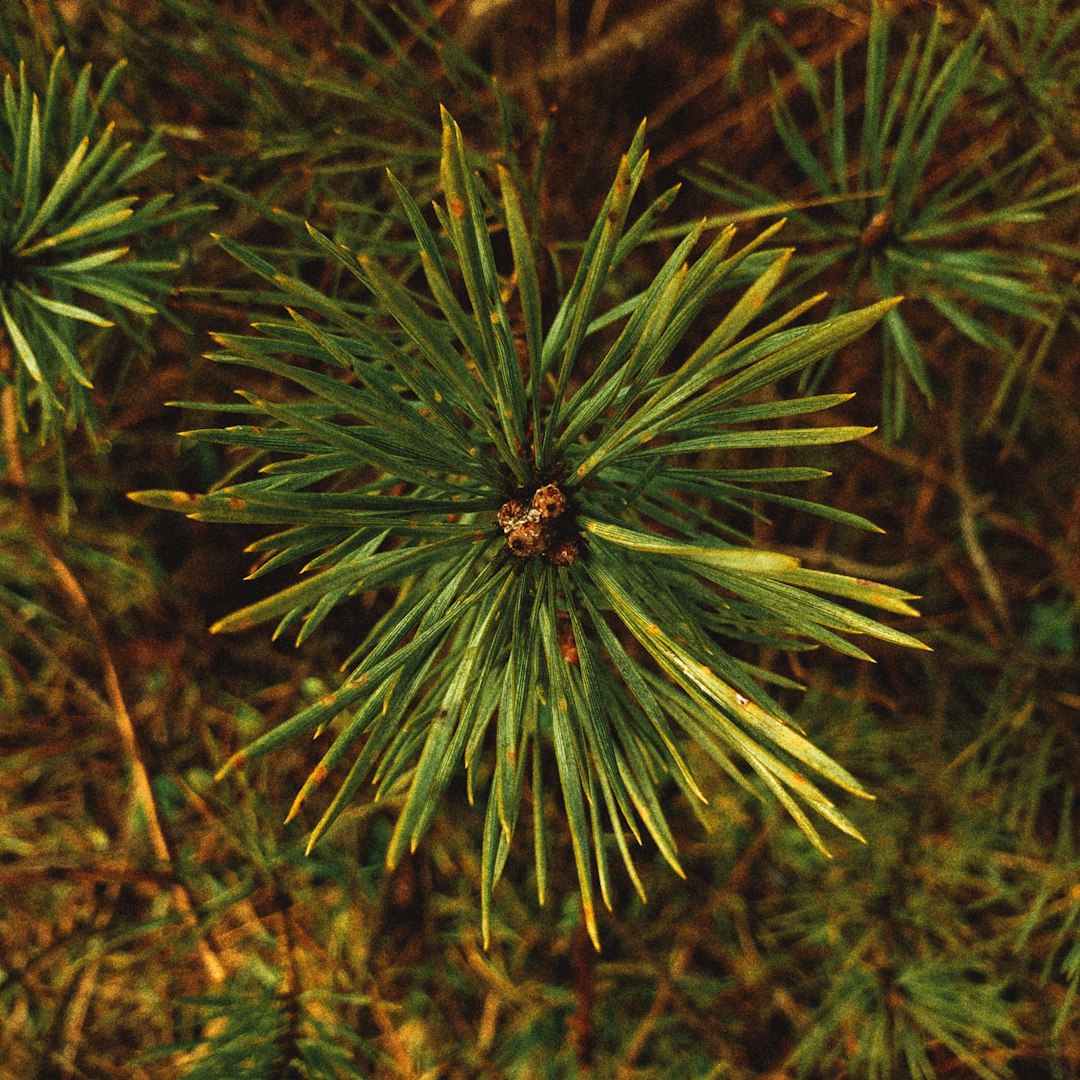
The Colorado Blue Spruce (Picea pungens), with its distinctive silvery-blue needles and majestic conical shape, is a beloved evergreen for landscapes across North America. Renowned for its hardiness and drought tolerance once established, this iconic tree can be a stunning focal point or an effective windbreak. However, for a Colorado Blue Spruce to truly thrive and display its vibrant color and robust health, the foundation begins beneath the surface: the soil. Understanding and providing the optimal soil conditions is paramount, influencing everything from root development to nutrient uptake and overall longevity. This guide will delve into the precise soil requirements to ensure your Colorado Blue Spruce flourishes for decades to come.
Understanding the native habitat and soil preferences
To truly grasp what makes ideal soil for a Colorado Blue Spruce, it’s essential to look at its natural origins. Native to the Rocky Mountains of the western United States, these trees are typically found growing in elevations ranging from 6,000 to 11,000 feet. In these environments, they naturally thrive in soils that are often gravelly, sandy loam, or rocky. These characteristics point to a fundamental need: excellent drainage. The native soils, while often rich in decomposed organic matter from centuries of forest growth, rarely remain waterlogged. They are also accustomed to a slightly acidic to neutral pH range, which dictates the availability of essential micronutrients vital for their health. Mimicking these natural conditions is the cornerstone of successful cultivation.
Key soil characteristics for optimal growth
Creating the perfect environment for your Colorado Blue Spruce involves focusing on several critical soil characteristics that directly impact its health and vigor.
- Drainage: This is arguably the most crucial factor. Colorado Blue Spruces absolutely detest “wet feet.” Poorly drained soil, especially heavy clay that retains too much water, suffocates roots by depriving them of oxygen. This leads to root rot, a common and often fatal issue for these trees. The soil must allow water to pass through freely, preventing standing water around the root ball.
- Soil pH: An ideal pH range for Colorado Blue Spruce is between 6.0 and 7.0, meaning slightly acidic to neutral. While they can tolerate a small deviation, a pH outside this range can make essential nutrients unavailable to the tree, even if they are present in the soil. For instance, in highly alkaline soils, iron can become locked up, leading to chlorosis (yellowing needles).
- Texture: A well-draining yet moisture-retentive soil texture is paramount. Loamy soil, which is a balanced mix of sand, silt, and clay particles, is often considered ideal. Sandy loam or gravelly loam is excellent, as they offer good aeration and drainage while still holding enough moisture and nutrients for the tree. Avoid very heavy clay or excessively sandy soils as standalone options.
- Organic matter: Incorporating organic matter, such as well-aged compost, leaf mold, or aged pine bark, significantly improves soil structure. It enhances drainage in clay soils, boosts water retention in sandy soils, and provides a slow release of nutrients as it decomposes. A healthy organic content of 10-20% by volume is beneficial.
Amending existing soil and planting considerations
Before planting your Colorado Blue Spruce, performing a soil test is highly recommended. This will provide precise information about your existing soil’s pH, nutrient levels, and texture, guiding your amendment strategy. If your soil is heavy clay, improving drainage is paramount. This can be achieved by incorporating a significant amount of organic matter (compost, aged pine bark) into the planting area. In some severe cases, creating a raised planting bed or mound may be necessary to ensure adequate drainage. If your soil is too sandy, organic matter will also help improve its water and nutrient retention capabilities.
To adjust pH, elemental sulfur can slowly lower an alkaline pH, while garden lime can raise an acidic pH (though raising pH for spruce is less common). Always apply amendments gradually and retest the soil periodically. When planting, dig a hole that is two to three times wider than the root ball, but only as deep as the root ball itself. The top of the root ball should be level with, or slightly above, the surrounding soil to prevent deep planting, which can also lead to root rot. After planting, apply a 2-4 inch layer of organic mulch (pine needles, shredded bark) around the base, keeping it a few inches away from the trunk. This conserves moisture, moderates soil temperature, and suppresses weeds.
Long-term soil care and maintenance
Even after successful planting, ongoing soil care is vital for the long-term health of your Colorado Blue Spruce. Watering correctly is crucial, especially during the first few years of establishment and during dry spells. Deep, infrequent watering is preferable to shallow, frequent watering, encouraging roots to grow deeper into the soil. Once established, Colorado Blue Spruces are fairly drought tolerant but will benefit from supplemental watering during extended dry periods. Fertilization is generally not required if the tree is growing well in a well-amended soil with adequate organic matter. If a soil test indicates a nutrient deficiency, or if the tree shows signs of stress (e.g., stunted growth, unusually pale needles), a slow-release, balanced evergreen fertilizer can be applied, following product instructions carefully. Avoid over-fertilizing, which can burn roots. Lastly, protect the root zone from compaction by avoiding heavy foot traffic or equipment around the base of the tree, which can damage the soil structure and restrict root growth.
Here’s a quick reference for ideal soil characteristics:
| Soil characteristic | Ideal range/description | Why it’s important |
|---|---|---|
| pH | 6.0 – 7.0 (slightly acidic to neutral) | Ensures nutrient availability |
| Drainage | Excellent, never waterlogged | Prevents root rot, allows oxygen to roots |
| Texture | Loamy (sandy loam, gravelly loam) | Balances water retention and drainage |
| Organic matter | 10-20% by volume (well-aged compost) | Improves structure, fertility, moisture regulation |
The health and majestic beauty of a Colorado Blue Spruce are inextricably linked to the quality of its soil. Throughout this article, we’ve explored the fundamental requirements for optimal growth, emphasizing excellent drainage, a slightly acidic to neutral pH, and a well-textured, organic matter-rich loam. From understanding its native habitat to implementing targeted amendments and maintaining long-term care, each step contributes to a thriving tree. By prioritizing soil testing, strategic planting, and mindful watering and feeding, you can create an environment where your Colorado Blue Spruce not only survives but truly flourishes. Investing in the soil is an investment in the tree’s future, ensuring it stands as a testament to your care for generations to come, gracing your landscape with its unique charm and resilience.
Image by: Tasha Kostyuk