The humble daisy, often perceived as a simple wildflower gracing lawns and meadows, holds a surprisingly complex secret beneath its unassuming petals. Far from being an isolated botanical entity, the daisy (most commonly Bellis perennis, but broadly referring to members of the Asteraceae family with a similar form) is a vibrant hub of ecological activity. Its accessible structure and abundant resources make it a vital food source for an array of tiny creatures, whose tireless efforts are crucial for the daisy’s reproduction and, by extension, the health of the ecosystems they inhabit. This article will delve into the fascinating world of the daisy’s diverse pollinators, exploring who they are, what attracts them, and the intricate dance of life that unfolds around this iconic flower.
The daisy’s alluring appeal and floral structure
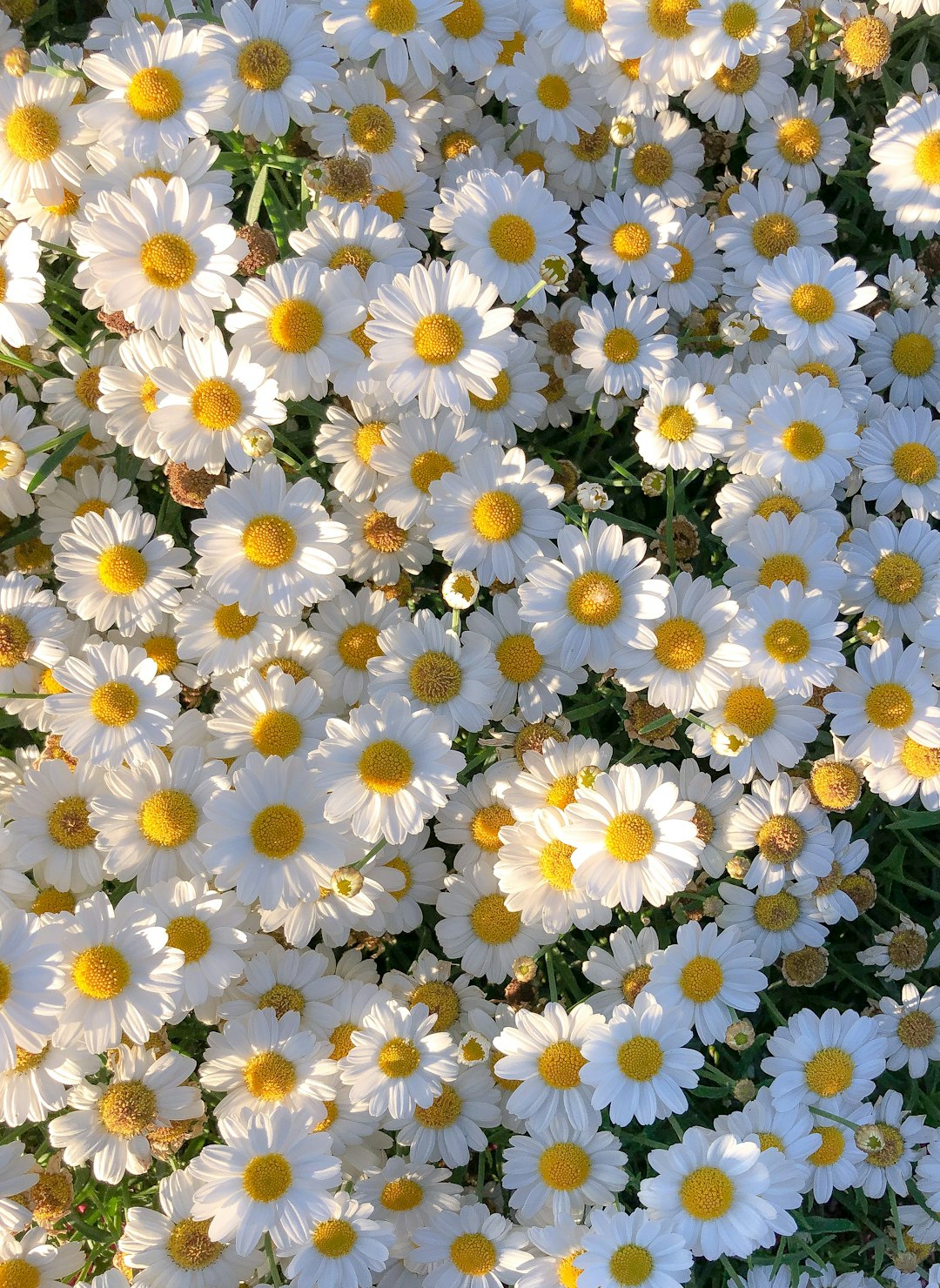
The daisy’s success in attracting a wide range of pollinators lies primarily in its unique floral architecture. What appears to be a single flower is, in fact, a composite head known as a capitulum, comprising hundreds of tiny individual florets. The central yellow disc is packed with fertile disc florets, rich in both nectar and pollen, while the encircling white (or sometimes pinkish) ray florets primarily serve as visual attractors. This “landing pad” design, common in the Asteraceae family, provides an ideal platform for various insects, offering easy access to rewards without requiring specialized mouthparts or complex maneuvers.
Beyond its physical layout, daisies employ other sensory cues. Their subtle scent, though often imperceptible to humans, guides insects towards the nectar and pollen. Furthermore, many flowers exhibit patterns, often visible only under ultraviolet light, that act as “nectar guides,” directing pollinators to the reproductive parts. The daisy’s open, shallow florets mean that both pollen and nectar are readily available, making it a reliable pit stop for generalist feeders looking for an energy boost or a protein-rich meal.
Primary insect pollinators of daisies
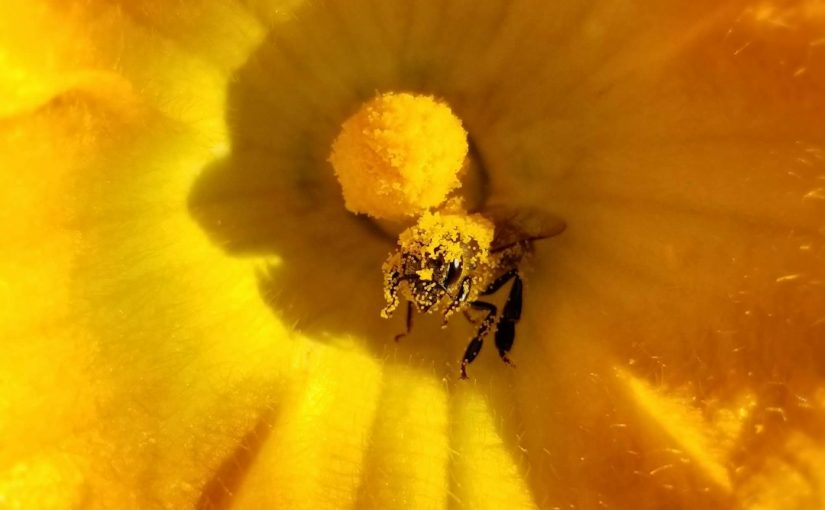
The most dedicated and effective pollinators of daisies are overwhelmingly insects, with certain groups standing out for their frequent visits and efficiency. Bees, perhaps predictably, top this list. Honey bees (Apis mellifera) and a multitude of solitary bees, such as small mining bees (Andrena species) and sweat bees (Lasioglossum species), are constant visitors. They are drawn to both the nectar, which fuels their flights, and the pollen, a vital protein source for their larvae. As they forage, pollen grains readily adhere to their hairy bodies, making them excellent vectors for transfer between florets and different daisy heads.
Another highly significant group, often underestimated, are flies. Hoverflies (Syrphidae), known for their bee-like mimicry, are frequently observed on daisies, as are various common house flies and blowflies. These insects, while perhaps not as efficient as bees at targeted pollen collection, are generalist feeders that readily consume nectar and pollen from the daisy’s easily accessible florets. Their frequent movements between flowers, even when seemingly just resting, contribute significantly to incidental pollen transfer. Butterflies and moths also visit daisies, extending their long proboscises to sip nectar. While they can facilitate pollination, their often larger size and less direct contact with the florets compared to bees or flies mean they may be slightly less effective for the daisy’s specific structure.
Other opportunistic visitors and environmental factors
While bees and flies form the core pollinator community for daisies, the open nature of the daisy head also attracts a broader range of opportunistic visitors. Various species of beetles, particularly smaller ones, can be found consuming pollen. As they navigate the dense disc florets, they inevitably pick up and transfer pollen grains, albeit usually in a less targeted manner than bees. Even tiny insects like thrips can play a minor role, though their contribution is generally considered negligible in comparison to larger pollinators.
Environmental factors also heavily influence which pollinators visit and when. The time of day, temperature, wind conditions, and the presence of competing flora all play a role. Daisies are often among the earliest and latest flowers to bloom, providing a consistent food source throughout much of the growing season. This reliable availability makes them crucial for supporting pollinator populations when other floral resources might be scarce. A daisy growing in a sheltered, sunny spot will likely see more activity than one exposed to strong winds or deep shade.
Here’s a look at common daisy visitors and their typical roles:
| Pollinator type | Primary attraction | Pollination mechanism | Effectiveness for daisies |
|---|---|---|---|
| Bees (Honey, solitary) | Nectar & pollen | Active collection, grooming, high pollen transfer | High |
| Flies (Hoverflies, house flies) | Nectar & pollen | Opportunistic feeding, incidental pollen transfer | Medium to High |
| Butterflies & Moths | Nectar | Proboscis feeding, less direct pollen contact | Medium |
| Beetles | Pollen | Pollen feeding, minor incidental transfer | Low to Medium |
The symbiotic relationship and ecological significance
The relationship between the daisy and its diverse pollinators is a classic example of mutualism, where both parties benefit. For the pollinators, the daisy offers a readily accessible and nutrient-rich food source in the form of nectar (for energy) and pollen (for protein, fats, and vitamins). For the daisy, these foraging visits are essential for its reproductive success. Pollinators carry pollen grains from the anthers of one floret to the stigmas of another, facilitating cross-pollination which is crucial for genetic diversity and the production of viable seeds.
Beyond individual reproduction, the daisy plays a significant role in broader ecosystem health. As a common and widespread plant, it provides a consistent and accessible food source that supports a wide array of insect life. This, in turn, underpins food webs for birds, amphibians, and other wildlife. By understanding and appreciating the complex interactions happening on and around a simple daisy, we gain a deeper insight into the delicate balance of nature and the critical importance of preserving biodiversity, even in our own backyards.
The seemingly simple daisy, a familiar sight in grasslands and gardens worldwide, conceals a bustling ecosystem within its humble flower head. As we’ve explored, it is not just a pretty face but a vital resource that supports an impressive array of insects, from the diligent honey bee to the often-overlooked hoverfly and the occasional beetle. Each visit, driven by the quest for nectar or pollen, contributes to the daisy’s perpetuation through effective cross-pollination. This intricate, mutually beneficial dance underscores the profound interconnectedness of nature, where even the smallest flower plays a crucial role in sustaining biodiversity.
Appreciating the pollinators of the daisy serves as a powerful reminder that ecological significance is not reserved for exotic species or pristine wilderness. It flourishes in our everyday environments. Recognizing and protecting these common wildflowers, allowing them to thrive, means providing essential sustenance for countless creatures. By doing so, we contribute to the health of our local ecosystems, ensuring that the quiet hum of life continues to resonate, even around the simplest of flowers.
Image by: Christina DelliSante