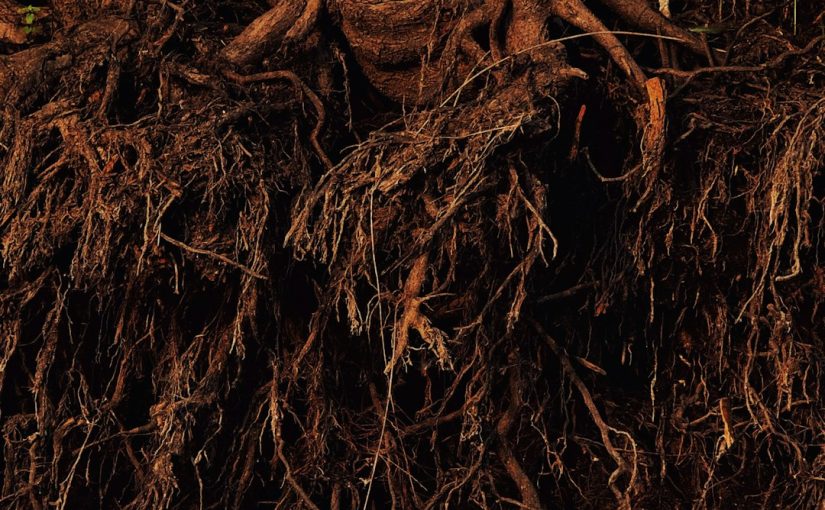
The mighty red oak, a cornerstone of many North American forests and urban landscapes, is renowned for its strength, autumn foliage, and stately presence. While its impressive canopy and sturdy trunk are visible symbols of its vitality, the true engine of its survival lies hidden beneath the surface: its intricate root system. Far from a simple anchoring mechanism, the red oak’s roots are a complex network responsible for absorbing vast quantities of water and nutrients, providing unwavering stability against winds, and engaging in vital symbiotic relationships. Understanding this hidden world is crucial not only for appreciating the tree’s resilience but also for ensuring its health and longevity in various environments. This article delves into the architecture, functions, and ecological significance of the red oak’s subterranean foundation.
Understanding the red oak root architecture
Unlike some other oak species or trees that develop a prominent taproot, a mature red oak (Quercus rubra) typically does not possess a deep, singular taproot. Instead, its root system is characterized by a widespread, shallow, and highly branched network of lateral roots. These main lateral roots can extend horizontally two to three times the width of the tree’s canopy, often reaching depths of only 18 to 24 inches (approximately 45-60 cm) within the upper soil layers. This architectural strategy is highly adaptive, allowing the red oak to efficiently capture moisture and nutrients available in the topsoil, where organic matter and microbial activity are most concentrated. From these primary laterals, numerous secondary and tertiary roots branch out, forming an incredibly dense and fibrous mat that firmly anchors the tree while maximizing surface area for absorption.
The critical role of feeder roots and mycorrhizal associations
The vast network of lateral roots serves as the primary structural support, but the true workhorses of nutrient and water uptake are the fine, hair-like feeder roots. These delicate roots are concentrated primarily within the top 6-12 inches (15-30 cm) of soil and possess a high surface area-to-volume ratio, making them incredibly efficient absorbers. However, their efficiency is significantly enhanced by a symbiotic relationship with beneficial fungi, known as mycorrhizae. Mycorrhizal fungi colonize the root surface and extend their hyphae far into the soil, acting as an extension of the tree’s root system. In exchange for carbohydrates produced by the tree through photosynthesis, the fungi significantly increase the tree’s access to water and essential nutrients like phosphorus, nitrogen, and various micronutrients that would otherwise be difficult for the roots to absorb directly. This partnership is vital for the red oak’s growth, stress tolerance, and overall health.
Here is a summary of typical root characteristics:
| Root Type | Primary Function | Typical Depth | Typical Spread |
|---|---|---|---|
| Lateral Roots | Anchoring, major transport of water/nutrients | 18-24 inches (45-60 cm) | 2-3x canopy width |
| Feeder Roots | Primary absorption of water/nutrients | 6-12 inches (15-30 cm) | Dense network within drip line |
| Mycorrhizal Fungi | Enhance nutrient/water uptake | Varies (within feeder root zone) | Extends beyond feeder roots |
Environmental factors influencing root growth and distribution
The morphology and distribution of a red oak’s root system are profoundly influenced by environmental conditions. Soil type is paramount; well-drained loamy soils with good aeration promote deeper and more extensive root growth, whereas compacted clay soils or overly sandy soils can restrict root development. Water availability dictates where roots will grow; during dry periods, roots may extend further to seek moisture, while prolonged waterlogging suffocates roots due to lack of oxygen. Soil oxygen levels are critical for root respiration, meaning urban settings with compacted soil and limited gas exchange often lead to shallower, less healthy root systems. Furthermore, the presence of bedrock, hardpans, or impermeable layers beneath the surface will force roots to grow horizontally rather than vertically. Competition from other plants, soil pH, and nutrient concentrations also play significant roles in shaping the red oak’s underground architecture, constantly adapting to its immediate environment.
Managing the root zone for red oak health
Given the shallow and extensive nature of the red oak’s root system, proper root zone management is essential for its long-term health. The most critical aspect is to avoid soil compaction, especially within the drip line and beyond, as this reduces oxygen availability and hinders water infiltration. Heavy foot traffic, construction equipment, or vehicle parking can severely damage roots and impair tree vitality. Applying a 2-4 inch (5-10 cm) layer of organic mulch, such as shredded bark or wood chips, around the base of the tree (keeping it a few inches away from the trunk) is highly beneficial. Mulch conserves soil moisture, moderates soil temperature, suppresses weeds that compete for resources, and slowly enriches the soil with organic matter, creating an ideal environment for feeder roots and mycorrhizae. When watering, aim for deep, infrequent irrigation to encourage roots to grow deeper, rather than frequent, shallow watering that keeps roots near the surface. Protecting roots during any landscaping or construction activities is paramount; even minor damage to major lateral roots can compromise the tree’s stability and health.
The root system of a red oak, though largely unseen, is a marvel of biological engineering and adaptation, serving as the tree’s lifeline and anchor. We’ve explored how its dominant, widespread lateral root structure, rather than a deep taproot, is optimized for nutrient and water absorption from the upper soil layers. The intricate network of fine feeder roots, further enhanced by indispensable mycorrhizal associations, underscores the complex symbiotic relationships essential for the tree’s survival and growth. Environmental factors like soil type, moisture, and compaction profoundly shape this subterranean world, making careful management crucial. Understanding these complexities reveals that the health of a red oak is inextricably linked to the well-being of its hidden roots. Protecting this vital underground network through proper mulching, thoughtful watering, and preventing compaction is not just good arboriculture; it’s an investment in the longevity and continued majesty of these magnificent trees for generations to come.
Image by: Gal Revina