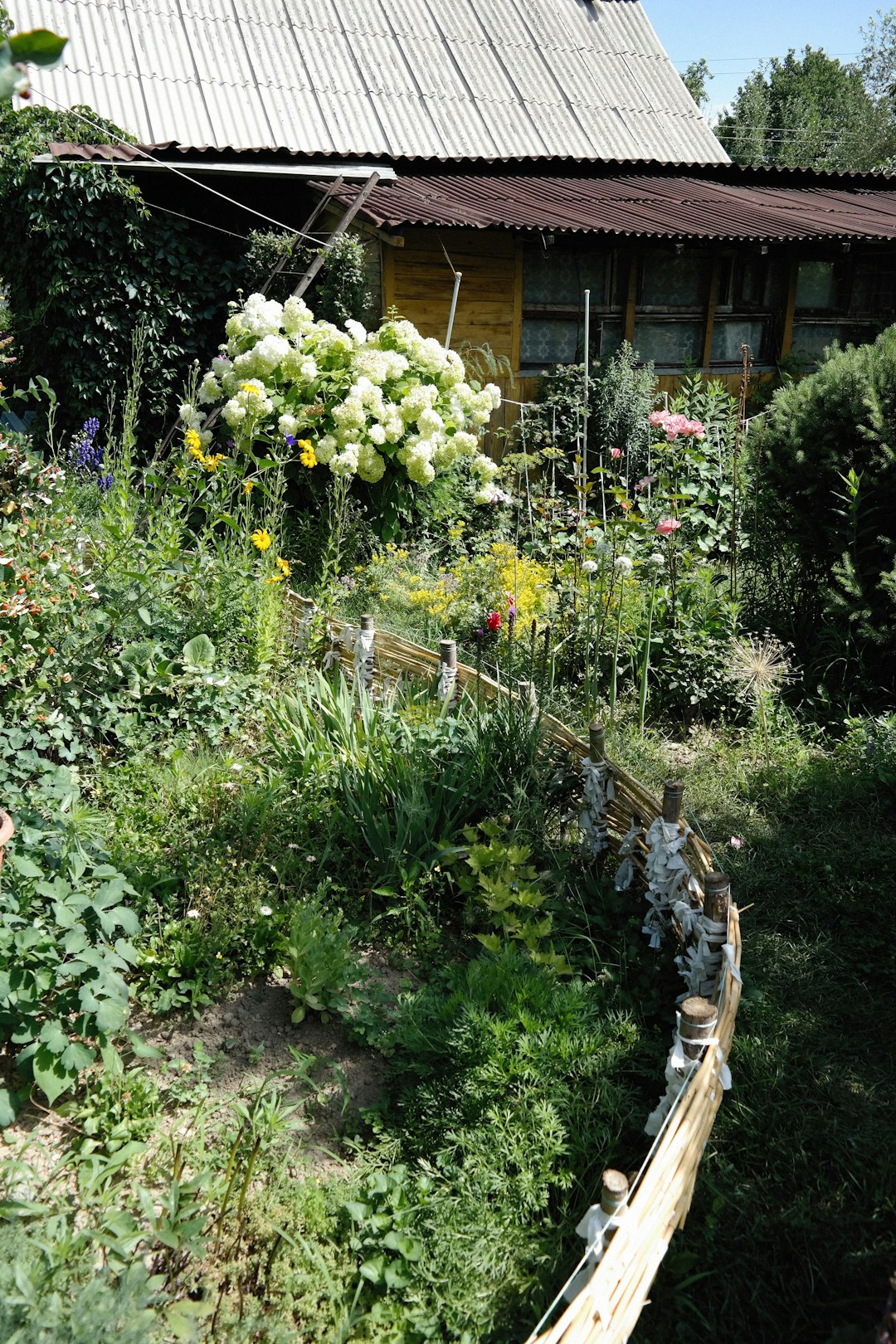
Discovering unsightly mounds and tunnels across your meticulously maintained lawn can be a frustrating experience for any homeowner. These tell-tale signs often indicate the presence of moles, subterranean mammals known for their extensive burrowing habits. While moles typically prefer open fields, forests, and undisturbed natural habitats, they can surprisingly find their way into residential properties, causing significant damage to lawns, gardens, and even impacting the integrity of paved areas. Understanding what causes moles in a house, or more accurately, what attracts them to the immediate vicinity of your home, is the first crucial step in prevention and mitigation. This article will delve into the primary factors that draw these persistent burrowers to your yard, exploring everything from their dietary preferences to preferred soil conditions, and how human activities can inadvertently create an inviting environment.
The primary draw: abundant subsurface food
At the heart of any mole infestation near a home lies a simple, yet powerful, motivator: food. Moles are insectivores with an incredibly high metabolism, requiring them to consume nearly their body weight in food each day. Their primary diet consists overwhelmingly of earthworms, grubs (larvae of beetles like Japanese beetles or June bugs), and other soil-dwelling invertebrates. A property that offers a consistent, rich supply of these subterranean delicacies is inherently more attractive to moles than one that doesn’t. Well-maintained lawns and garden beds, especially those with healthy, organically rich soil, often harbor thriving populations of earthworms. These worms play a vital role in soil aeration and nutrient cycling but, for a mole, they represent a readily available, high-energy food source.
Beyond earthworms, the presence of various insect larvae, particularly beetle grubs, can act as a significant beacon. These grubs feed on grass roots and can be prevalent in established lawns, especially if not adequately managed. Factors contributing to a rich food supply include consistent moisture, which keeps the soil active and supports invertebrate life, and the regular addition of organic matter like compost, which further enhances soil fertility and biomass. Essentially, any condition that fosters a robust population of their preferred prey beneath the surface transforms your yard into an irresistible buffet for a hungry mole, making it a prime target for their expansive tunneling efforts.
Optimal tunneling conditions and secure shelter
Beyond the allure of a plentiful food source, moles are highly particular about the physical environment they inhabit, especially the soil itself. They require loose, moist soil that allows for efficient tunneling and the creation of their intricate networks of feeding runways and deeper resting chambers. Densely packed, dry, or excessively rocky soil is much more challenging for them to navigate and excavate, making such areas less desirable. Residential lawns and garden beds often inadvertently provide these ideal conditions. Regular irrigation, for instance, keeps the soil consistently soft and workable, much to a mole’s delight. The very act of gardening, which involves tilling and amending soil with compost or peat, can create a beautifully aerated, easy-to-tunnel medium.
Furthermore, the proximity to a house offers moles an added layer of security and shelter that might be less available in open fields. The undisturbed ground around a home’s foundation, beneath patios, or within dense shrubbery provides protection from predators such as hawks, owls, and coyotes. These areas also offer more stable temperatures, insulating moles from extreme heat or cold. The structural elements of a house can even provide physical barriers that offer undisturbed zones for deeper tunnels and nesting sites. Consequently, a home that boasts both readily workable soil and secluded, protected spaces becomes an irresistible fortress for these subterranean architects, allowing them to establish extensive and long-lasting tunnel systems.
Habitat expansion and nearby populations
Moles don’t typically just materialize in your yard out of thin air; their presence is often a result of habitat expansion from existing populations in adjacent areas. If your property borders woodlands, open fields, parks, or even a neighbor’s yard that has an active mole problem, your home is at a higher risk. Moles are territorial, but as populations grow, younger moles or those displaced by older, more dominant individuals will venture out to establish new territories. A “mole-free” property adjacent to a “mole-rich” one is akin to an open invitation for colonization, especially if it offers superior food and soil conditions.
Furthermore, environmental disturbances or changes in land use can often drive moles towards residential areas. Construction projects, significant landscaping overhauls, or even natural events like extensive flooding or drought can disrupt established mole habitats, forcing them to seek new, more stable, and resource-rich environments. Residential properties, with their consistent irrigation and often well-maintained, food-rich lawns, present an attractive refuge. Therefore, understanding the ecological context of your property and being aware of mole activity in surrounding areas is crucial. A single mole exploring new territory can quickly establish a complex tunnel system, turning a transient visit into a permanent residency within a short period.
Inadvertent human contributions: irrigation and landscaping
It’s often our very efforts to create a beautiful and thriving landscape that inadvertently roll out the welcome mat for moles. Two significant human contributions stand out: irrigation practices and specific landscaping choices. Consistent, liberal watering of lawns and garden beds maintains a perpetually moist soil environment. This dampness is not only ideal for earthworms, the mole’s primary food source, but also softens the soil, making it significantly easier for moles to tunnel and expand their subterranean networks. Overwatering, leaky outdoor spigots, or inefficient irrigation systems can, therefore, act as inadvertent mole magnets, creating a perfect storm of abundant food and easy digging conditions.
Similarly, certain landscaping practices can unknowingly contribute to the problem. Heavy mulching in garden beds and around trees, while beneficial for moisture retention and weed suppression, creates a rich, organic layer that can attract various insects and their larvae—another food source for moles. The loose, insulated soil beneath thick mulch layers also provides excellent tunneling conditions and a protected environment. Homeowners who prioritize lush, green lawns and vibrant gardens are often, without realizing it, optimizing their outdoor spaces for mole habitation. Understanding these common factors is key to implementing preventative strategies, as outlined in the table below:
| Residential factor | How it attracts moles | Impact |
|---|---|---|
| Consistent irrigation | Keeps soil moist and soft; attracts earthworms | Easy tunneling, abundant food |
| Rich, organic soil | Supports high earthworm and insect grub populations | Primary food source availability |
| Heavy mulching | Creates insulated, loose soil; attracts insects | Ideal tunneling and shelter, food source |
| Nearby existing mole populations | M-oles expand territories from adjacent properties | Increased likelihood of migration to your yard |
| Undisturbed garden beds/foundations | Offers protection from predators and stable environment | Secure shelter and breeding grounds |
In conclusion, the presence of moles in your house’s vicinity is rarely a random occurrence; it’s almost always a response to a specific set of environmental conditions that your property inadvertently offers. The primary culprits are abundant food sources—chiefly earthworms and grubs—thriving in rich, moist soil, coupled with ideal tunneling conditions and the protective shelter that residential areas can provide. Our own gardening and lawn care practices, such as consistent irrigation and the use of organic soil amendments, can unknowingly create the perfect habitat for these subterranean creatures. Understanding these attracting factors is the foundation of effective mole management. By actively modifying your landscape to be less appealing, from adjusting irrigation schedules to managing grub populations, you can significantly reduce your home’s attractiveness to moles. Proactive prevention and vigilance are far more effective than reactive removal, ensuring your lawn remains a pristine green space rather than a mole metropolis.