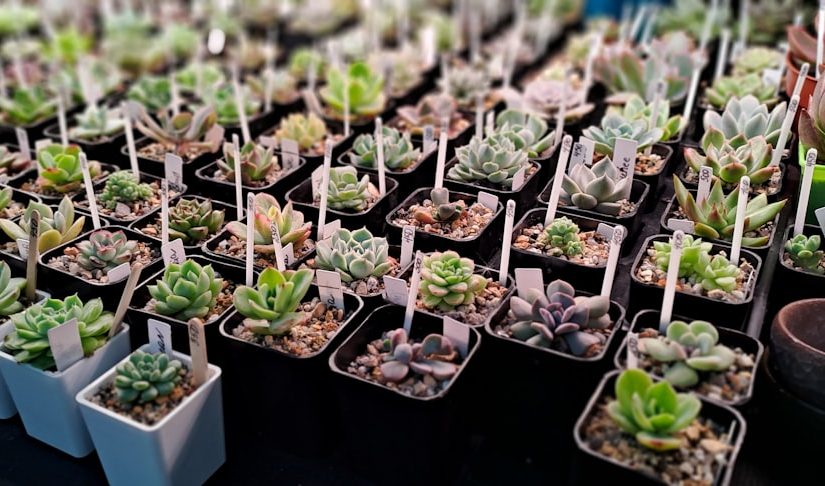
In the eager pursuit of a lush, bountiful garden, it’s a common and often tempting mistake to plant seeds or seedlings much closer than recommended. The initial vision of an abundant, vibrant green space can easily overshadow the long-term consequences of such horticultural impatience. While seemingly innocuous at first, overcrowding plants can trigger a cascade of detrimental effects that compromise the health, productivity, and overall success of your garden. From fierce competition for vital resources to becoming a hotbed for pests and diseases, the repercussions are far-reaching. Understanding these hidden challenges is paramount for any gardener aiming for truly thriving plants, not just a dense canopy. This article delves into the specific issues that arise when plants are situated too closely together, offering insights to cultivate a healthier, more productive growing environment.
The fierce battle for vital resources
One of the immediate and most significant consequences of planting too closely is the intense competition that ensues among plants for essential resources. Every plant needs adequate sunlight, water, and nutrients from the soil to thrive. When their spacing is insufficient, roots quickly intertwine, creating a literal underground battleground where each plant struggles to absorb enough moisture and minerals from a limited soil volume. Above ground, leaves begin to shade each other, blocking crucial sunlight needed for photosynthesis – the process by which plants convert light energy into chemical energy for growth. This isn’t merely about “less for each” but about creating a state of chronic stress where plants are constantly diverting energy towards survival rather than robust development. Individual plants will often appear spindly, pale, or weak as they stretch desperately for light, compounding their nutrient and water deficiencies.
Consider the typical needs of a vegetable patch:
| Resource | Impact of overcrowding | Desired outcome with proper spacing |
|---|---|---|
| Sunlight | Leaves shade neighbors, reducing photosynthesis for all. | Each plant receives ample direct sunlight for optimal energy production. |
| Water | Roots compete intensely, leading to chronic dehydration, especially during dry spells. | Individual root systems can efficiently absorb moisture from their allotted soil zone. |
| Nutrients | Rapid depletion of soil nutrients, requiring more frequent fertilization; plants may show deficiency symptoms. | Nutrients are distributed more evenly; soil fertility is maintained more easily. |
A breeding ground for pests and diseases
Beyond resource competition, overcrowding creates an environment highly conducive to the proliferation of pests and diseases. Dense foliage severely impedes air circulation around and between plants. This lack of airflow traps humidity, maintaining a perpetually damp microclimate – ideal conditions for the rapid spread and establishment of various fungal diseases such as powdery mildew, downy mildew, and blights. Similarly, bacterial infections thrive in moist, stagnant air. Furthermore, the physical proximity of plants makes it incredibly easy for insect pests like aphids, spider mites, and whiteflies to migrate from one host to another, turning a minor infestation into a widespread epidemic overnight. Stressed and weakened plants, already struggling for resources, are also inherently less resilient and more susceptible to succumbing to these attacks, often leading to total crop failure.
Stunted growth and diminished yields
The cumulative effect of resource deprivation and increased pest and disease pressure is almost invariably stunted plant growth and significantly diminished yields. Plants that are constantly fighting for survival cannot dedicate sufficient energy to developing strong root systems, robust stems, abundant flowers, or quality fruits and vegetables. Instead of producing large, healthy specimens, you’ll often find smaller, underdeveloped plants bearing fewer, inferior-quality fruits or vegetables. For instance, a tomato plant that is too crowded might produce many small, flavorless fruits, or none at all, whereas a properly spaced plant would yield fewer, but larger and more delicious tomatoes. The overall biomass and edible output from an overcrowded plot are typically far less than if fewer plants were given the appropriate space to flourish individually. This results in wasted effort, resources, and often, considerable disappointment for the gardener.
Long-term impact on soil health and garden sustainability
The negative ramifications of overcrowding extend beyond individual plant health to the very foundation of your garden: the soil. Intensive competition for nutrients in a confined space can lead to a much more rapid depletion of essential soil minerals. This often necessitates more frequent application of fertilizers, which, if not managed carefully, can upset the soil’s natural balance and microbial ecosystem. Moreover, the dense canopy created by closely planted vegetation prevents sufficient sunlight from reaching the soil surface. This can inhibit the activity of beneficial soil microorganisms, slow the decomposition of organic matter, and contribute to overly moist conditions that can lead to anaerobic zones or root rot over time. Overcrowding can, therefore, create a cycle of dependency on external inputs and a gradual degradation of the garden’s natural resilience and long-term sustainability, making it harder to maintain a healthy and productive environment in subsequent growing seasons.
Ultimately, the seemingly simple act of planting plants too close together sets off a complex chain of adverse events, undermining the very goals of gardening. From fierce competition for light, water, and nutrients that cripples individual plant development, to creating ideal breeding grounds for pervasive pests and diseases, the consequences are profound. These issues inevitably lead to stunted growth, significantly reduced yields, and an overall unhealthy garden that demands more intervention. Furthermore, such practices can degrade soil health over time, impacting the long-term sustainability and productivity of your growing space. The final conclusion is clear: proper spacing is not merely an aesthetic suggestion but a fundamental principle of successful horticulture. By giving each plant the room it needs to breathe, absorb, and grow, you invest in its vitality, resilience, and ultimately, the abundant harvest you truly desire. Embrace the wisdom of space; your garden will thank you with thriving health and generous yields.
Image by: Ludmila Uleva