The Rangoon Creeper, scientifically known as Combretum indicum (formerly Quisqualis indica), is a truly magnificent tropical vine, celebrated for its clusters of fragrant, color-changing flowers. From white to pink to deep red, its visual appeal is undeniable, making it a beloved addition to many gardens. However, like many vigorous growers, this beautiful creeper requires thoughtful management to truly thrive and deliver its best display. Unchecked, its rapid growth can quickly become overwhelming, impacting both its health and aesthetic value. Understanding when to properly trim your Rangoon Creeper is not just about control; it’s about harnessing its potential for abundant blooms and maintaining its graceful form. This article will guide you through the optimal timing for various pruning tasks, ensuring your vine remains a stunning focal point.
Understanding the rangoon creeper’s growth habits and flowering cycle
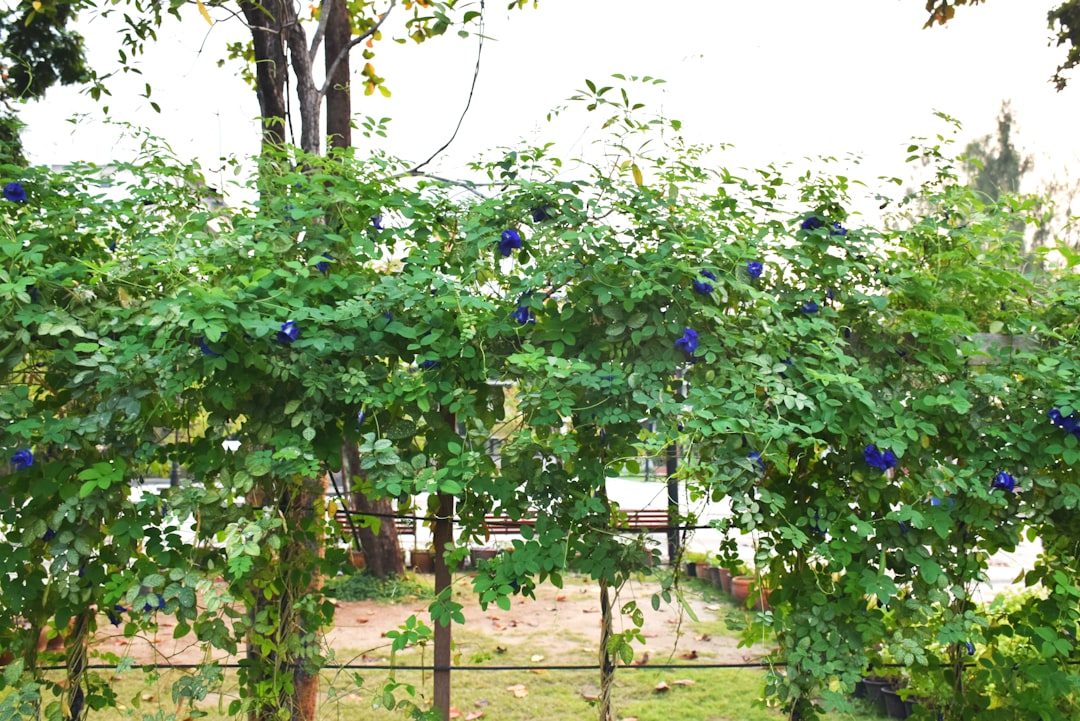
To effectively prune a Rangoon Creeper, it’s crucial to first grasp its inherent characteristics. This isn’t a shy, slow-growing plant; rather, it’s a vigorous, woody vine known for its incredibly rapid growth, especially in warm, sunny climates. It can quickly ascend trellises, arbors, and even neighboring trees, sometimes reaching lengths of 20-30 feet or more. This fast-paced development means it’s constantly pushing out new shoots. More importantly for pruning purposes, the Rangoon Creeper flowers on new wood. This is a critical distinction, as it dictates the optimal timing for cuts that aim to maximize bloom production. If you prune too late in the season, you risk removing the very wood that would bear the next flush of those charming, fragrant flowers. Its evergreen or semi-evergreen nature, depending on climate, also influences how it responds to pruning throughout the year, requiring different approaches for different seasons.
The best time for general maintenance and shaping
The primary window for undertaking significant pruning of your Rangoon Creeper is typically in late winter or early spring, just before the active growing season truly begins. This timing is strategic for several reasons. Firstly, by pruning before new growth emerges, you allow the plant to direct all its energy into developing fresh, strong shoots in the spring. Since Rangoon Creeper flowers on new wood, these new shoots are precisely what will carry the season’s magnificent blooms. Making cuts during this dormant or semi-dormant period also minimizes stress on the plant and reduces the risk of sap bleed, although Rangoon Creeper is generally quite forgiving.
During this late winter or early spring session, focus on several key objectives. Remove any dead, damaged, or diseased branches – often referred to as “D.D.D.” wood – to improve air circulation and prevent potential pest or disease issues. This is also the ideal time to shape the vine, thinning out overcrowded areas, cutting back overly long or wayward stems, and establishing a desirable framework. Aim to remove about one-third of the plant’s overall mass to encourage vigorous regrowth and a profusion of flowers. By doing so, you’re setting the stage for a healthy, well-structured plant that will produce an abundance of its iconic blossoms.
Pruning for bloom maximization and rejuvenation
While late winter/early spring is crucial for structural pruning, there’s another important window for enhancing your Rangoon Creeper’s floral display: after its first major flush of blooms has faded. In many regions, this occurs in mid-summer. By lightly pruning at this time, you’re essentially deadheading on a larger scale. Removing spent flower clusters and the associated seed pods prevents the plant from expending energy on seed production, redirecting it instead towards producing more vegetative growth and, potentially, a second flush of flowers later in the season. These mid-season cuts don’t need to be as aggressive as dormant pruning; rather, they’re about tidying up and encouraging continued performance.
For older, neglected, or severely overgrown Rangoon Creepers, a more drastic approach known as rejuvenation pruning might be necessary. This type of pruning is also best performed in late winter or early spring, coinciding with the general maintenance schedule. It involves cutting back the entire plant severely, sometimes to just a few feet from the ground, or removing a significant percentage of old, woody stems. While this might seem intimidating, Rangoon Creepers are incredibly resilient and respond remarkably well to hard pruning. The goal is to stimulate a complete renewal of the plant, promoting robust new growth from the base, which will lead to a healthier, more manageable, and ultimately more floriferous specimen in subsequent seasons.
Special considerations: controlling rampant growth and cold climate care
The Rangoon Creeper’s enthusiastic growth, while admirable, can also be its most challenging trait. In warm, humid climates, it can quickly become invasive, overwhelming trellises, walls, and even nearby plants. To manage this rampant growth, ongoing light pruning and training throughout the growing season is often necessary. This involves pinching back errant shoots, redirecting stems, and trimming back any growth that is extending beyond its desired boundaries. These constant, minor interventions prevent the plant from getting out of hand and reduce the need for more drastic cuts later. It’s about proactive management, ensuring the vine stays within its allotted space without sacrificing its beauty.
For gardeners in colder climates where Rangoon Creepers may experience winter dieback, the approach to pruning changes slightly. If your plant is exposed to frost or freezing temperatures, it might suffer damage to its foliage and stems. In such cases, it’s generally best to wait until early spring to assess the extent of the damage. Resist the urge to prune immediately after a frost. Often, what appears dead may still have viable tissue deeper within. Once new growth begins to emerge, it becomes clear which parts have succumbed to the cold. At this point, you can confidently cut back all dead or damaged wood to the point where healthy, green tissue is present. This patient approach ensures you don’t remove potentially viable parts of the plant and allows it the best chance for recovery and vigorous regrowth.
| Pruning Type | Optimal Timing | Primary Purpose |
|---|---|---|
| General Shaping & Maintenance | Late Winter / Early Spring | Promote strong new growth, maintain size & shape |
| Bloom Maximization | After First Bloom (Mid-Summer) | Encourage re-bloom, remove spent flowers |
| Rejuvenation Pruning | Late Winter / Early Spring | Restore vigor to overgrown/neglected plants |
| Aggressive Growth Control | Throughout Growing Season | Manage spread, prevent invasiveness |
| Damage/Disease Removal | Any Time | Maintain plant health, prevent disease spread |
| Cold Damage Cleanup | Early Spring (after new growth) | Remove dead wood after winter, assess recovery |
Mastering the art of pruning your Rangoon Creeper is undoubtedly a cornerstone of successful cultivation, transforming a potentially unruly vine into a breathtaking garden specimen. We’ve explored that the timing of your cuts is as critical as the cuts themselves. The primary window for structural pruning and rejuvenation is late winter to early spring, before new growth emerges, to encourage prolific blooming on fresh wood. For maximizing the number of those enchanting, fragrant flowers, a lighter trim after the initial bloom can often encourage a second spectacular display. Continuous, light pruning during the growing season is vital for managing its enthusiastic spread, while patience in early spring for cold-damaged plants ensures proper recovery. By understanding these key timing principles and tailoring your approach to your plant’s specific needs, you empower your Rangoon Creeper to not only survive but truly flourish. Your efforts will be richly rewarded with abundant blooms and a beautifully managed vine.
Image by: Suvrajit 💭 S