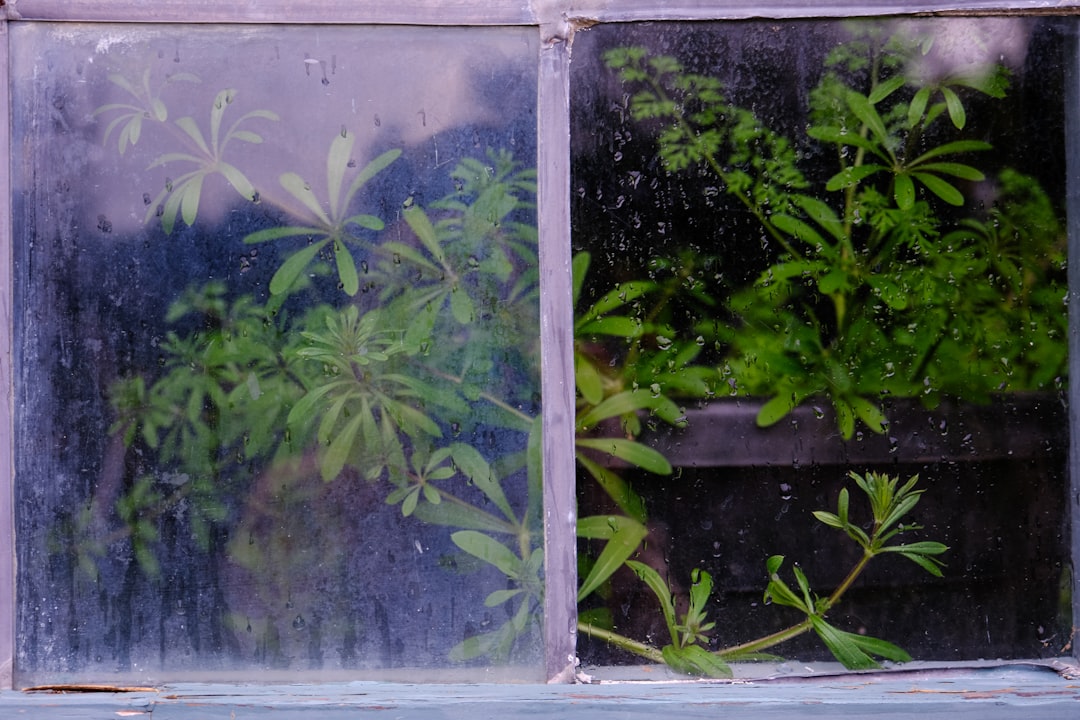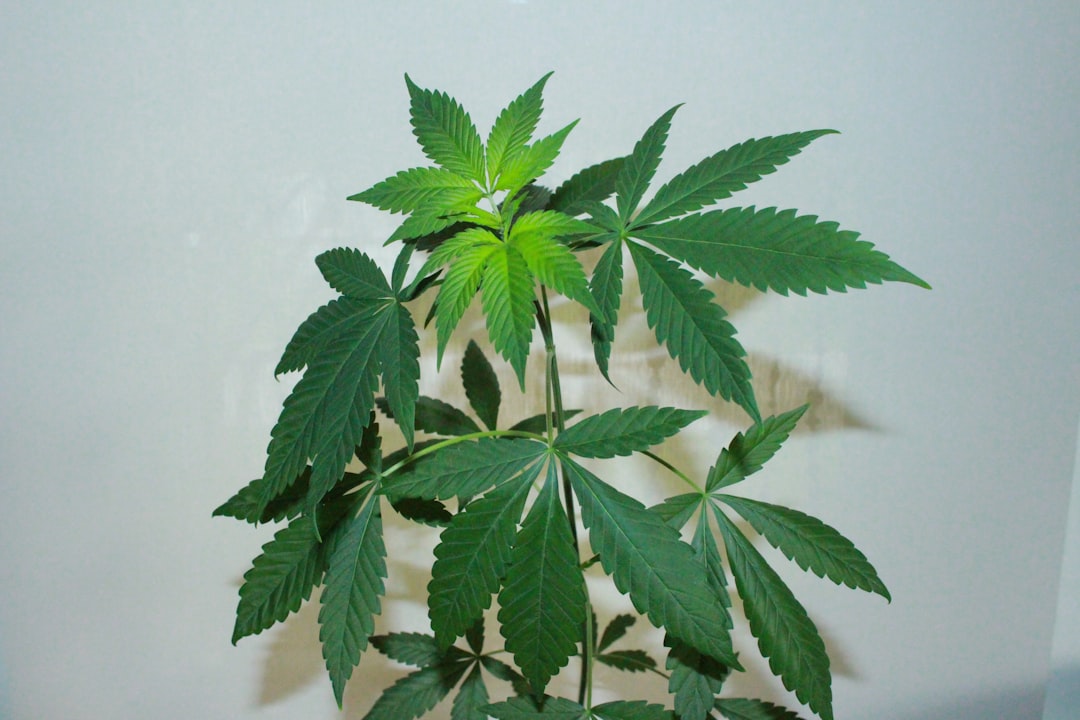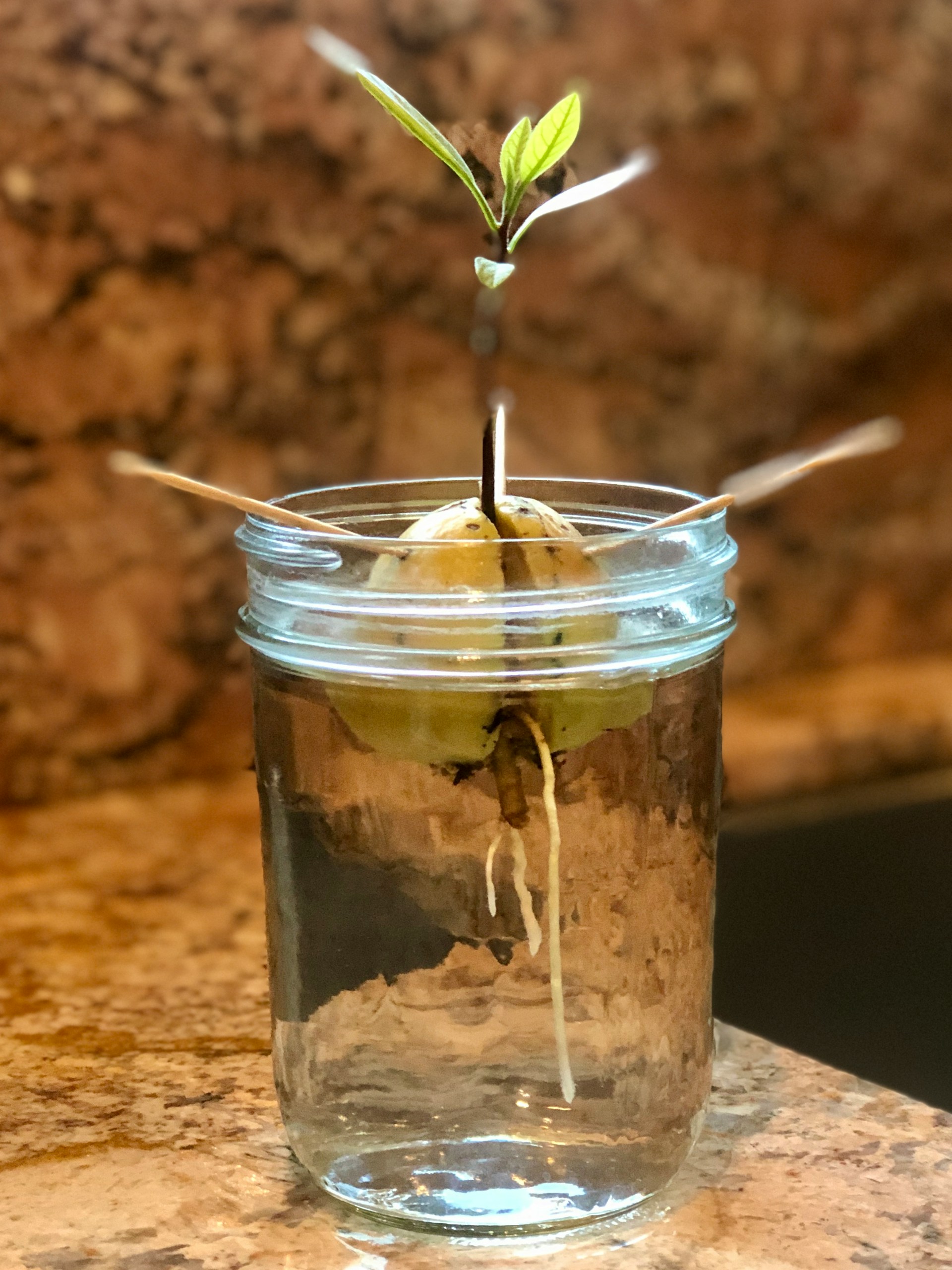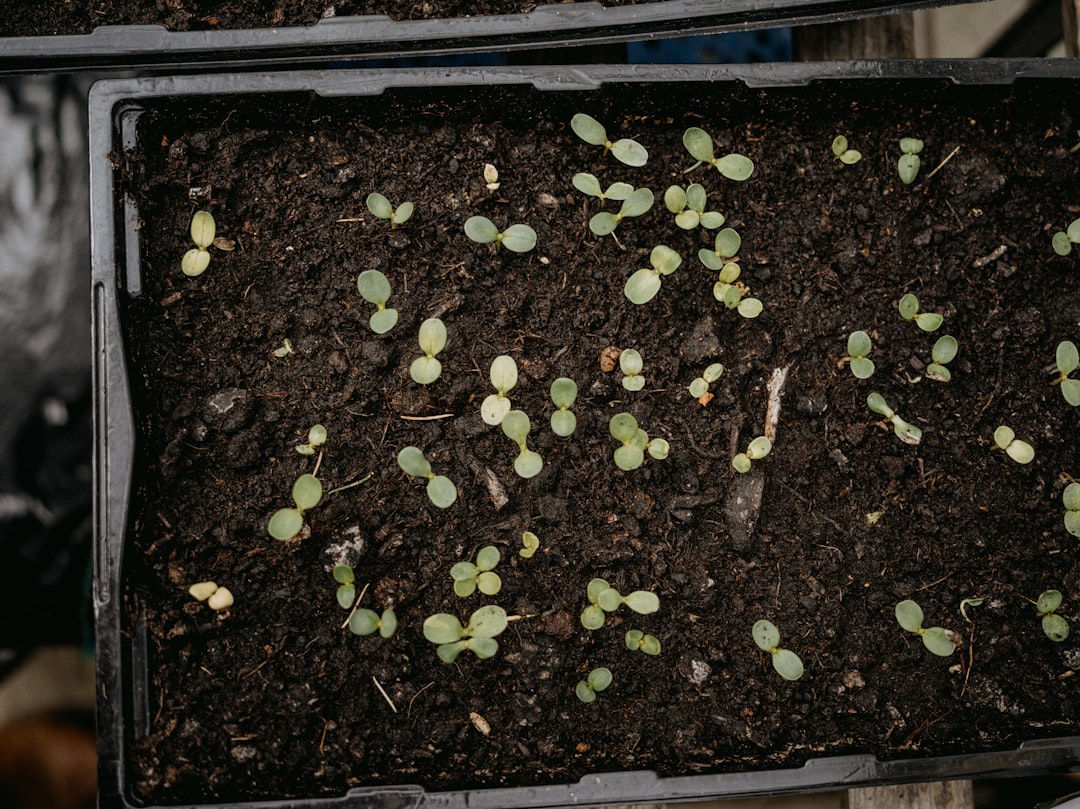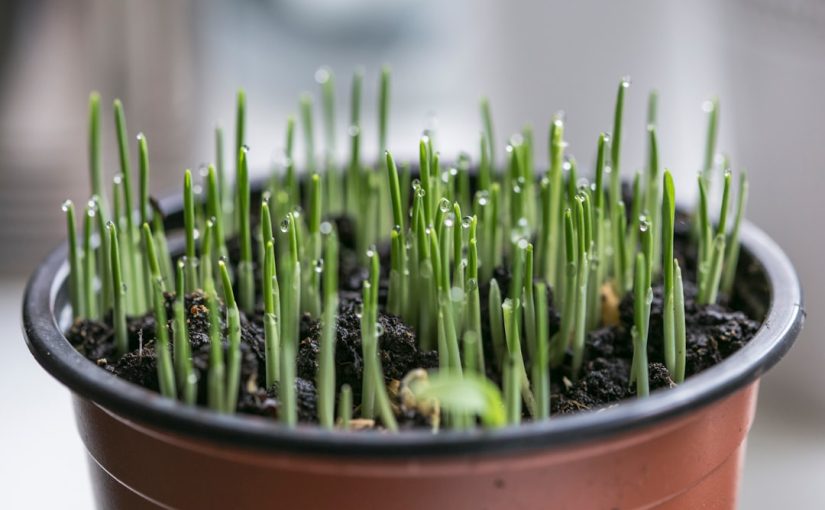
The miracle of a seed sprouting in darkness often mystifies us, prompting the question: why do seeds grow in the dark? It seems counterintuitive, given our understanding that plants rely on sunlight for survival. However, what we perceive as “growth” in this initial stage is a finely tuned biological strategy, an evolutionary adaptation crucial for a seedling’s survival. Far from being a mistake, this initial dark-phase development is a programmed response that optimizes a young plant’s chances of breaking through the soil, ensuring it can eventually reach the life-giving light it truly needs. Understanding this phenomenon reveals the intricate genius embedded within every tiny seed.
The initial germination phase: A survival strategy
For most seeds in their natural environment, darkness is the default. They are buried beneath layers of soil, waiting for the right conditions—moisture, temperature, and sometimes a signal from light—to awaken. The germination process itself is a massive energy investment for the dormant seed. Rather than immediately producing green leaves to photosynthesize, the seed prioritizes a single, critical mission: escape the soil. This early “growth” in the dark, often referred to as etiolation, is not about becoming a robust, self-sustaining plant, but about rapidly elongating the stem (hypocotyl or epicotyl) to push towards the surface where light is available. It’s a race against time and resources, dictated by the limited energy reserves stored within the seed itself, making efficient vertical growth paramount.
Etiolation: Reaching for the light
Etiolation is the seedling’s dramatic response to the absence of light. When you see a plant that has sprouted in a dark cupboard—long, spindly, and pale yellow or white—you are observing etiolation in action. This process is characterized by several key features: rapid stem elongation, minimized leaf development, and a lack of chlorophyll production. The pale color is due to the absence of chlorophyll, the pigment essential for photosynthesis, which is only produced when light is detected. The seedling essentially allocates all its energy to vertical growth, sacrificing lateral expansion and photosynthetic capacity to maximize its chances of reaching the light source. Plant hormones, particularly auxins and gibberellins, play a crucial role in regulating this rapid cell elongation, driving the stem upwards with remarkable speed and precision, even in complete darkness.
Stored energy: The seed’s power source
Since a seed growing in the dark cannot perform photosynthesis, it must rely entirely on internal energy reserves. These reserves are typically stored in the seed’s cotyledons (seed leaves) or in a specialized tissue called the endosperm. These tissues are packed with complex molecules such as starches, lipids (fats), and proteins. During germination, enzymes within the seed begin to break down these stored macromolecules into simpler, usable sugars and amino acids. These readily available energy sources fuel the metabolic processes, including cellular respiration, that drive the initial rapid cell division and elongation responsible for etiolated growth. This reliance on stored energy highlights why this dark growth phase is inherently unsustainable in the long term; without eventually reaching light and initiating photosynthesis, the seedling will deplete its reserves and perish.
Photoreceptors and the switch to photomorphogenesis
The transition from dark growth to light-dependent growth is orchestrated by specialized photoreceptors within the plant. The most well-known are phytochromes, which are sensitive to red and far-red light, and cryptochromes, which detect blue light. In darkness, these photoreceptors exist in a state that signals the need for etiolation. However, as soon as the seedling breaks through the soil surface and is exposed to light, these photoreceptors undergo a conformational change. This change acts as a “switch,” triggering a cascade of developmental changes known as photomorphogenesis. The stem growth slows significantly, leaves begin to expand, and critically, chlorophyll production is initiated, causing the seedling to “green up” and become photosynthetically active. This dramatic shift represents the plant’s readiness to transition from an emergency survival strategy to true self-sufficiency.
| Feature | Etiolated Seedling (Dark Growth) | Light-Grown Seedling (Post-Etiolation) |
|---|---|---|
| Stem Length | Long, spindly | Shorter, thicker |
| Stem Color | Pale yellow/white | Green |
| Leaf Development | Small, undeveloped | Expanded, fully formed |
| Chlorophyll | Absent | Present, actively photosynthesizing |
| Energy Source | Stored seed reserves | Photosynthesis |
The remarkable ability of seeds to “grow” in the dark is not a paradox but a testament to nature’s ingenious design. It’s a precisely timed evolutionary strategy, allowing the buried embryo to prioritize vertical elongation, driving it upwards through the soil using precious stored energy. This process, known as etiolation, is characterized by rapid stem growth, undeveloped leaves, and a lack of chlorophyll, all optimized for breaking through to the light. Upon detecting light via sophisticated photoreceptors, the seedling undergoes a dramatic transformation into photomorphogenesis, initiating photosynthesis and true independent growth. Ultimately, this initial dark-phase development is a critical survival mechanism, ensuring that even from the deepest darkness, life finds a way to reach the light and thrive.
Image by: Milada Vigerova