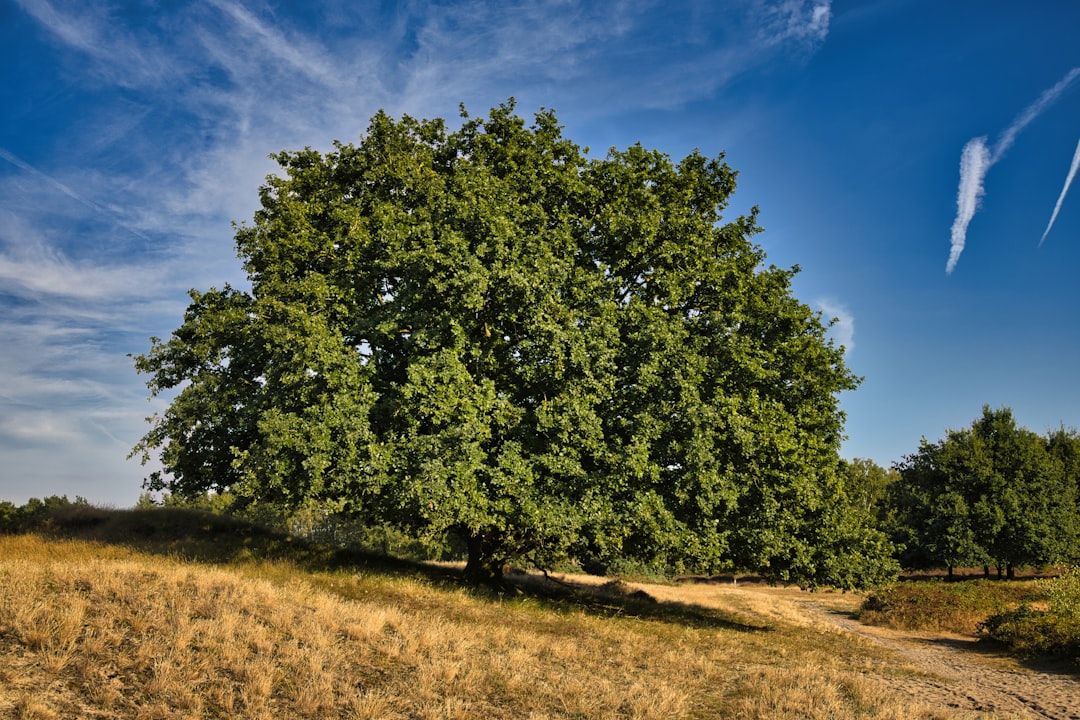
Oak trees, magnificent sentinels of our landscapes, are often seen as symbols of strength and longevity. Yet, even these robust giants can succumb to various ailments, sometimes displaying a puzzling decline that starts from their uppermost branches and progresses downwards. This phenomenon, known as top-down dieback, is a critical indicator of underlying stress or disease within the tree’s system. It signals a severe disruption in the tree’s ability to transport vital water and nutrients, often manifesting as withered leaves, bare branches, and ultimately, the death of the crown. Understanding why an oak tree might die from the top down requires a closer look at its physiological processes, environmental interactions, and potential threats. This article will delve into the primary reasons behind this ominous decline, shedding light on the complex factors that can lead to an oak’s demise from its very peak.
The vascular system and initial stressors
To comprehend why an oak tree might die from the top down, it is essential to first understand its intricate vascular system. Water and dissolved nutrients are drawn from the soil by the roots and transported upwards through the xylem, a network of microscopic tubes, all the way to the farthest leaves in the canopy. The leaves, in turn, produce sugars through photosynthesis, which are then distributed throughout the tree via the phloem. When this delicate system is compromised, the parts furthest from the water source – typically the upper branches and twigs – are the first to show symptoms of distress.
Initial stressors often involve disruptions to water uptake or transport. Root damage, whether from construction activities, soil compaction, or excessive moisture leading to root rot, directly impedes the tree’s ability to absorb water. Prolonged periods of drought are another major culprit; even established oaks struggle to draw sufficient moisture during extended dry spells, causing the most distant parts of the canopy to dehydrate first. Similarly, nutrient deficiencies can weaken the tree, making it more susceptible to other issues. Any factor that restricts the efficient flow of water and nutrients upwards can initiate the tell-tale top-down decline, indicating that the tree is literally starving for resources at its highest points.
Diseases and pests targeting the crown
Beyond general stress, specific diseases and insect pests are notorious for causing top-down dieback in oak trees. One of the most devastating is oak wilt, a fungal disease caused by Bretziella fagacearum. This fungus invades the xylem vessels, producing spores and structures that effectively plug the water-conducting tissues. As the fungus spreads, typically from the base upwards, it blocks water flow, causing rapid wilting and browning of leaves, often starting from the tips of the branches and moving inwards and downwards. Red oaks are particularly vulnerable, sometimes dying within a single season.
Other pathogens like anthracnose, a fungal leaf disease, can cause significant defoliation and twig dieback, especially in wet spring conditions. While usually not fatal on its own, repeated severe infections weaken the tree, predisposing it to secondary invaders. Furthermore, certain insect pests, such as the two-lined chestnut borer, often attack stressed oak trees. These beetles tunnel under the bark of branches, disrupting the flow of water and nutrients, which results in dieback that progresses from the top of the canopy downwards. Canker diseases can also girdle branches, effectively cutting off water supply to the portions above the canker.
Environmental contributors to decline
Environmental factors play a significant, often compounding, role in the top-down decline of oak trees. Drought stress is perhaps the most common and impactful. When precipitation is insufficient for an extended period, the tree’s large canopy demands more water than its roots can supply. The furthest branches, being the last to receive water, are the first to suffer from desiccation and dieback. Conversely, periods of excessive rainfall or poor soil drainage can lead to waterlogged conditions, which suffocate roots and cause root rot, thereby impairing water uptake and leading to similar top-down symptoms.
Temperature extremes also contribute. Late spring frosts can damage newly emerging, tender leaves and shoots at the top of the tree, leading to subsequent dieback of those affected areas. Extreme heat waves, especially when combined with drought, put immense physiological strain on the tree. Other environmental stressors include soil compaction, which limits root growth and water penetration, and urban pollution or salt spray, which can directly harm foliage and roots. These factors weaken the tree’s overall health, making it more vulnerable to opportunistic diseases and pests that can then trigger or accelerate top-down dieback.
Identifying signs and prognosis
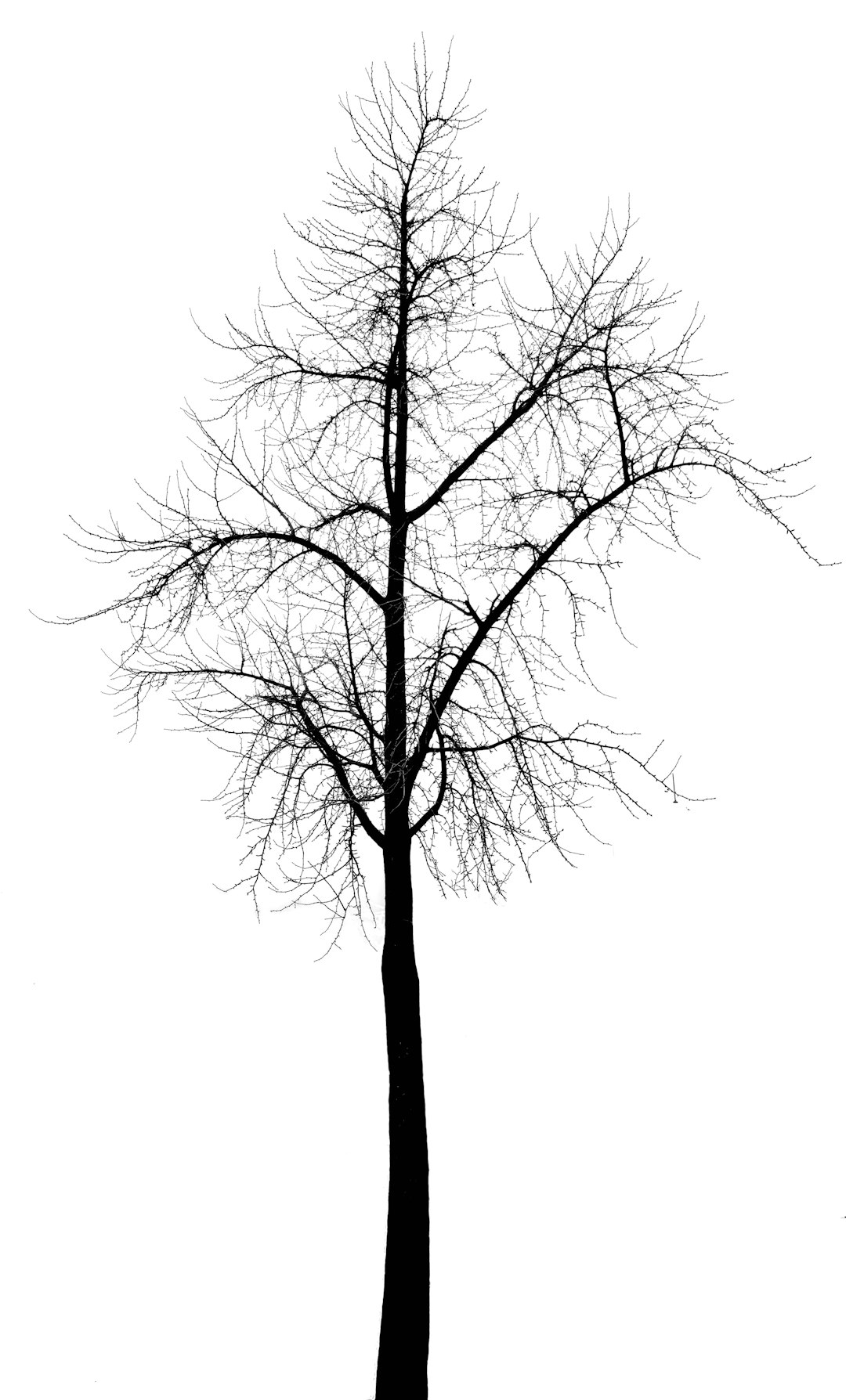
Recognizing the early signs of top-down dieback is crucial for potentially mitigating further damage. Symptoms typically include leaves browning or wilting from the tips inwards, branches that fail to leaf out in spring, or scattered dead branches prominently visible in the upper crown. The thinning of the canopy and a general lack of vigor are also key indicators. A systematic examination often reveals more specific clues about the underlying cause.
Below is a table summarizing some common top-down symptoms and their potential primary causes:
| Symptom observed | Potential primary cause | Initial tree part affected |
|---|---|---|
| Leaves brown from tips inwards | Drought stress, root damage | Upper canopy, root system |
| Sudden, rapid wilting & browning | Oak wilt, severe root rot | Entire canopy, vascular system |
| Thinning crown, sparse leaves | Chronic stress, nutrient deficiency | Overall canopy |
| Scattered dead branches in top | Borers, canker diseases, severe frost | Specific branches |
The progression of top-down dieback often signifies a chronic issue or a rapidly advancing disease. If left unaddressed, the initial dieback can spread, eventually compromising the entire tree’s health. While early intervention might involve improving irrigation, addressing soil issues, or targeted pest/disease management, advanced stages of top-down dieback often indicate severe, irreversible damage. Understanding these signs helps arborists and tree owners make informed decisions about care or removal.
The majestic oak tree, while a symbol of enduring strength, is susceptible to a complex array of threats that can manifest as a perplexing top-down dieback. This article has explored the critical reasons behind this phenomenon, from the foundational importance of a healthy vascular system to the insidious roles of specific diseases like oak wilt, destructive insect pests, and overarching environmental stressors such as drought and soil issues. We’ve seen how compromised water and nutrient transport, often initiated at the tree’s extremities, serves as the central theme for understanding this decline. Recognizing the early warning signs – browning leaves, thinning canopies, and dead upper branches – is paramount for any hope of intervention. Ultimately, top-down dieback is a serious indicator of an oak’s struggle for survival, urging us to be vigilant stewards of these invaluable natural assets. Proactive care, proper diagnosis, and timely intervention remain the best defenses against the silent, upward march of tree demise.
Image by: Eric RDG